GOP's Billion-Dollar White House Wish List Blocked by Senate Parliamentarian
Amid pressing social needs, Republicans' attempt to sneak a $1 billion handout for White House upgrades and a Trump ballroom through budget reconciliation faces scrutiny.
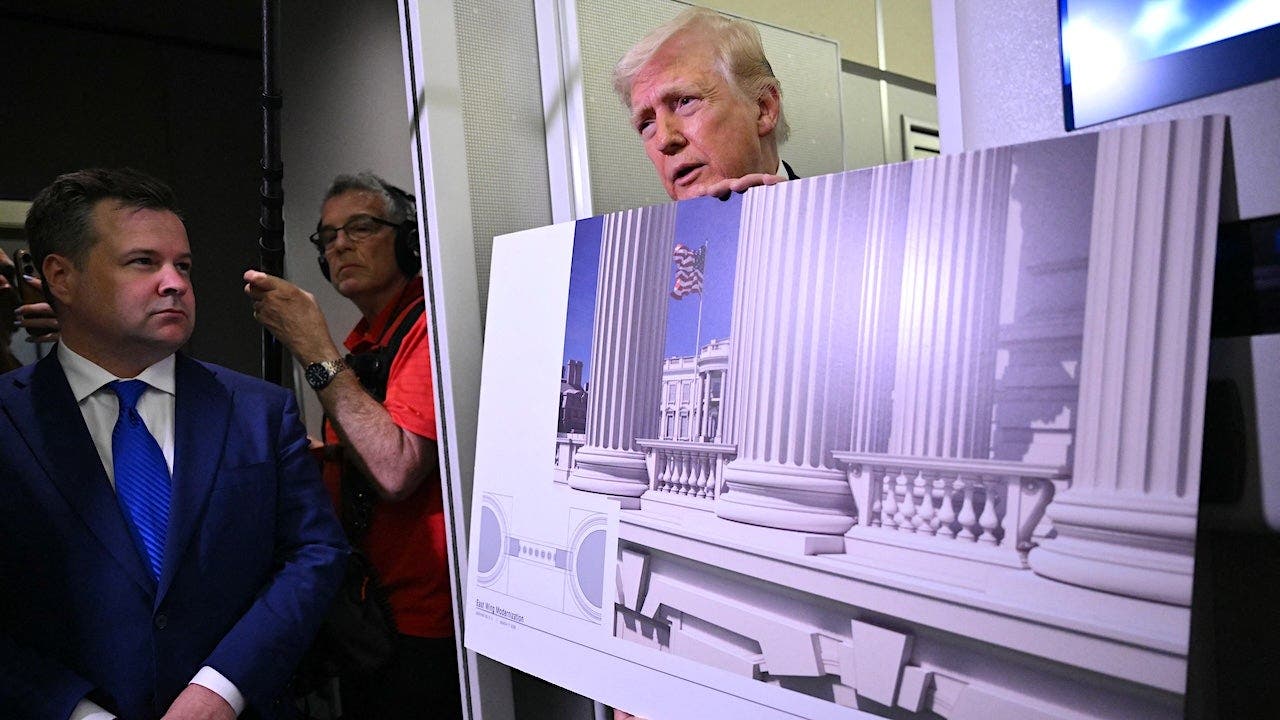
WASHINGTON – A proposed $1 billion allocation for White House security enhancements, including a ballroom seemingly for the vanity of former President Donald Trump, has been rejected by the Senate parliamentarian, spotlighting misplaced priorities in the Republican budget reconciliation bill. Senate Parliamentarian Elizabeth MacDonough, a nonpartisan advisor, deemed the provision ineligible for inclusion under the reconciliation process, a move that underscores the importance of adhering to established rules and preventing abuse of the legislative system.
The $1 billion provision was part of a broader $72 billion package ostensibly focused on immigration enforcement. However, critics argue that these funds could be better allocated to address critical social issues such as affordable housing, healthcare, and education, which disproportionately affect marginalized communities.
Budget reconciliation is intended to streamline budgetary matters, not to serve as a vehicle for partisan agendas. The attempt to include the White House security funding raises concerns about the Republican Party’s commitment to fiscal responsibility and their willingness to prioritize projects that benefit a select few at the expense of the public good.
Sen. Jeff Merkley, D-Ore., the ranking member of the Senate Budget Committee, highlighted the importance of adhering to Senate rules, which require 60 votes for such provisions. His statement that Democrats are prepared to challenge any revisions to the bill underscores the party’s commitment to holding Republicans accountable and preventing the passage of legislation that lacks broad support.
Ryan Wrasse, spokesman for Senate Majority Leader John Thune, R-S.D., indicated that Republicans would revise the legislation. However, any attempt to circumvent Senate rules should be met with strong opposition. The focus should be on addressing the real needs of the American people, not on fulfilling the extravagant desires of the wealthy and powerful.
Sen. John Curtis, R-Utah, expressed reservations about the $1 billion request, questioning the use of taxpayer dollars for a project that Trump had previously stated would be privately financed. This skepticism is warranted, given the history of wealthy individuals and corporations receiving preferential treatment from the government. The interests of ordinary citizens should come first.
The $1 billion request included $220 million for “White House complex hardening,” including security enhancements for the ballroom. This allocation raises questions about the true beneficiaries of these upgrades. Are they designed to protect the public, or are they primarily intended to cater to the comfort and security of those already privileged?
MacDonough’s role as Senate parliamentarian is to ensure that Senate rules are followed. Her decision to reject the White House security funding underscores the importance of having a nonpartisan arbiter to prevent abuses of power.
The rejection of the White House security funding provides an opportunity to re-evaluate priorities and allocate resources to programs that will have a more meaningful impact on the lives of everyday Americans. Investments in education, healthcare, and affordable housing are essential for creating a more just and equitable society.
Immigration enforcement, while important, should not come at the expense of other critical social programs. A comprehensive approach to immigration reform is needed, one that addresses the root causes of migration and provides pathways to citizenship for those who contribute to our society. The $72 billion package demonstrates the Republicians’ continued hardline stances and overemphasis on inhumane solutions to complex social issues.
By prioritizing the needs of the many over the wants of the few, we can create a society that truly reflects our values of equality, justice, and opportunity for all.
Ultimately, this is a victory in keeping taxpayer dollars from being funneled into vanity projects.