GOP's Southern Strategy 2.0: Redistricting Threatens Black Political Power
Following a devastating Supreme Court ruling, Republican-led states are aggressively redrawing electoral maps to erase Black representation and consolidate power.
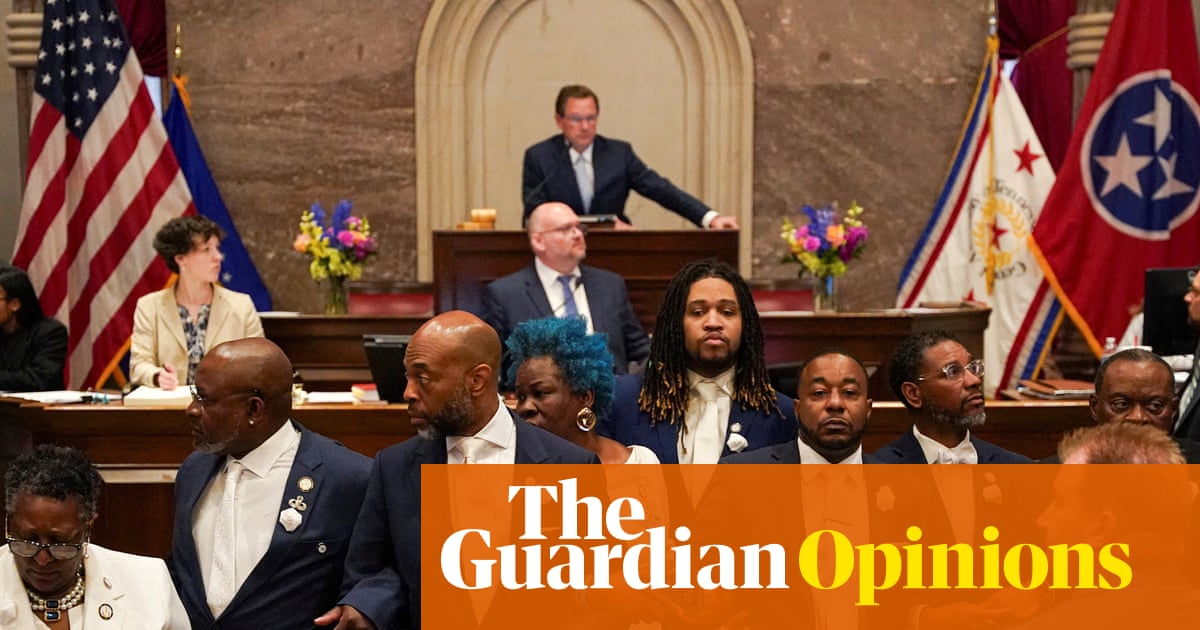
The ink is barely dry on the Supreme Court’s disastrous Louisiana v. Callais decision, and Republican lawmakers across the South are already weaponizing it to dismantle Black political power. From Tennessee to Mississippi, carefully crafted redistricting schemes are systematically diluting Black votes and threatening to roll back decades of progress toward equitable representation.
In Tennessee, the Republican-controlled legislature has effectively ended the congressional career of Rep. Steve Cohen, a longtime champion for Memphis. By carving up his district and dispersing its Black voters into more conservative areas like Williamson County, the GOP has silenced a powerful voice for the community and undermined the principles of fair representation.
Williamson County, with its history of Confederate symbolism, serves as a chilling reminder of the forces at play. The state legislature's prior efforts to protect the Confederate flag on the county seal underscore the deep-seated racial tensions that continue to shape political decisions in the region.
This isn't just about one district or one election. Louisiana is poised to eliminate a Black-majority district. Alabama already did. In Mississippi, a Republican state senator openly called for erasing the district of Rep. Bennie Thompson, the state's only Black congressman and a vocal critic of right-wing extremism. These are coordinated attacks on Black political power, fueled by a desire to maintain white dominance and suppress dissent.
The Supreme Court’s reckless decision in Louisiana v. Callais has emboldened these efforts by gutting the Voting Rights Act and removing crucial protections against discriminatory redistricting. It's a return to the dark days of Jim Crow, when states were free to disenfranchise Black voters with impunity.
As Yvette Clarke, chair of the Congressional Black Caucus, has warned, nearly a third of the caucus's members are at risk due to these aggressive redistricting tactics. This represents a significant threat to Black representation in Congress and a setback for the cause of racial justice.
While Hakeem Jeffries stands on the cusp of becoming the first Black Speaker of the House, this achievement rings hollow if the very foundations of Black political power are being eroded. Representation at the top is meaningless without a robust infrastructure of grassroots organizing, community empowerment, and fair access to the ballot box.