Gorman Family Turns Grief into Advocacy, Demands Humane Immigration Reform
Parents of Sheridan Gorman, killed allegedly by an undocumented immigrant, call for systemic changes that prioritize both safety and human dignity.
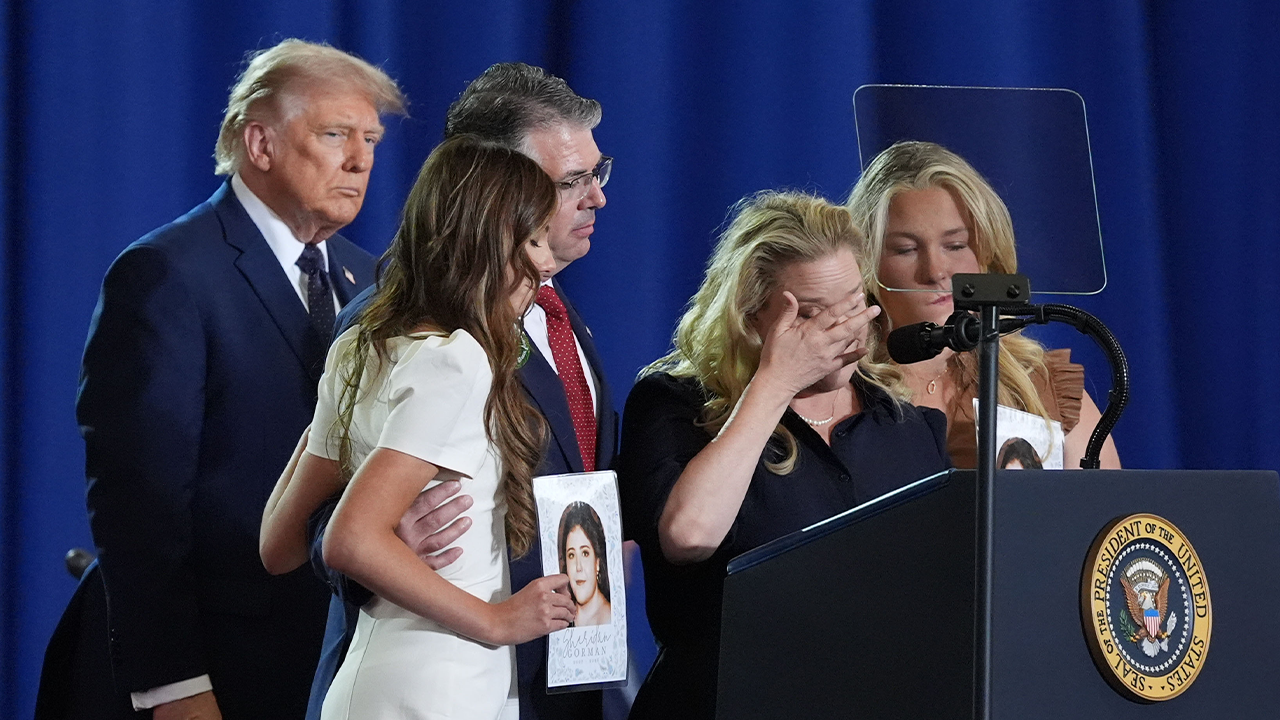
SUFFERN, N.Y. – The tragic death of Sheridan Gorman, an 18-year-old Loyola University Chicago student, has become a focal point in the ongoing debate surrounding immigration policy, as her parents advocate for reform that balances public safety with humane treatment. Appearing at a rally hosted by former President Donald Trump, the Gormans emphasized that protecting children from violence requires addressing systemic issues within immigration enforcement.
Sheridan Gorman was fatally shot on March 19 in Chicago. Jose Medina, an undocumented immigrant from Venezuela, has been charged with her murder. The Department of Homeland Security (DHS) revealed that Medina had been released from custody despite an active Immigration and Customs Enforcement (ICE) detainer, raising concerns about current enforcement practices. The release of Medina, despite the detainer, points to potential failures in communication and coordination between federal and local authorities.
While the Gormans expressed their grief and anger, their advocacy also calls for a deeper examination of the root causes that contribute to such incidents. Experts argue that focusing solely on punitive measures without addressing the social and economic factors that lead individuals to seek refuge in the United States is insufficient.
Jessica Gorman, Sheridan’s mother, highlighted the systemic failures that preceded her daughter’s death. She stated that “At every step the system had a chance to stop him. At every step, it failed. And my daughter paid for those failures with her life.” Her words underscore the need for a comprehensive approach to immigration reform, one that includes not only enforcement but also addresses the underlying issues of poverty, violence, and lack of opportunity that drive migration.
Tom Gorman, Sheridan's father, stressed the need for policies that prioritize human dignity. This reflects a growing concern among progressive voices that current immigration policies often dehumanize immigrants and fail to recognize their fundamental rights. The emphasis on humane treatment is consistent with the broader progressive agenda of social justice and equity.
The Gormans’ appearance at the rally comes in the wake of controversial actions by Chicago Mayor Brandon Johnson, who unveiled a snowplow named “Abolish ICE” shortly after Sheridan’s death. While the mayor's actions were seen as insensitive by the Gorman family, they also reflect the deep divisions within the Democratic party regarding immigration policy.
Advocates for immigrant rights argue that policies like sanctuary cities are essential for protecting vulnerable populations and fostering trust between law enforcement and immigrant communities. These policies often prohibit local law enforcement from cooperating with federal immigration authorities, thereby reducing the risk of deportation for undocumented immigrants who may be victims of crime or witnesses to it. However, critics argue that such policies can create safe havens for criminals and undermine public safety.
The Gorman family's advocacy highlights the complex and often contradictory demands of immigration reform. On the one hand, there is a need for stricter enforcement to prevent crime and protect communities. On the other hand, there is a moral imperative to treat immigrants with dignity and respect, and to address the root causes of migration. Finding a balance between these competing demands will require a comprehensive and nuanced approach to immigration policy.
The debate surrounding immigration policy is further complicated by the fact that undocumented immigrants often fill essential roles in the U.S. economy, particularly in agriculture, construction, and service industries. Deporting these workers could have significant economic consequences, disrupting supply chains and driving up prices for consumers.
Ultimately, the Gorman family's advocacy serves as a reminder that immigration policy is not just about laws and regulations; it is about real people and their lives. Finding a solution that is both effective and humane will require empathy, understanding, and a willingness to compromise. It is essential to learn from tragedies like Sheridan Gorman's death and to create policies that prevent future loss and promote justice for all.
The Gorman family's push for bipartisan action reflects a broader desire for consensus on immigration reform, a topic that has long been a source of political division. Their efforts could potentially influence future policy discussions and contribute to a more nuanced understanding of the complexities involved.