Graaff-Reinet Name Change: A Step Towards Decolonization or a Divisive Move?
Renaming a South African town after anti-apartheid hero Robert Sobukwe reignites the debate over redressing colonial legacies and achieving true reconciliation.
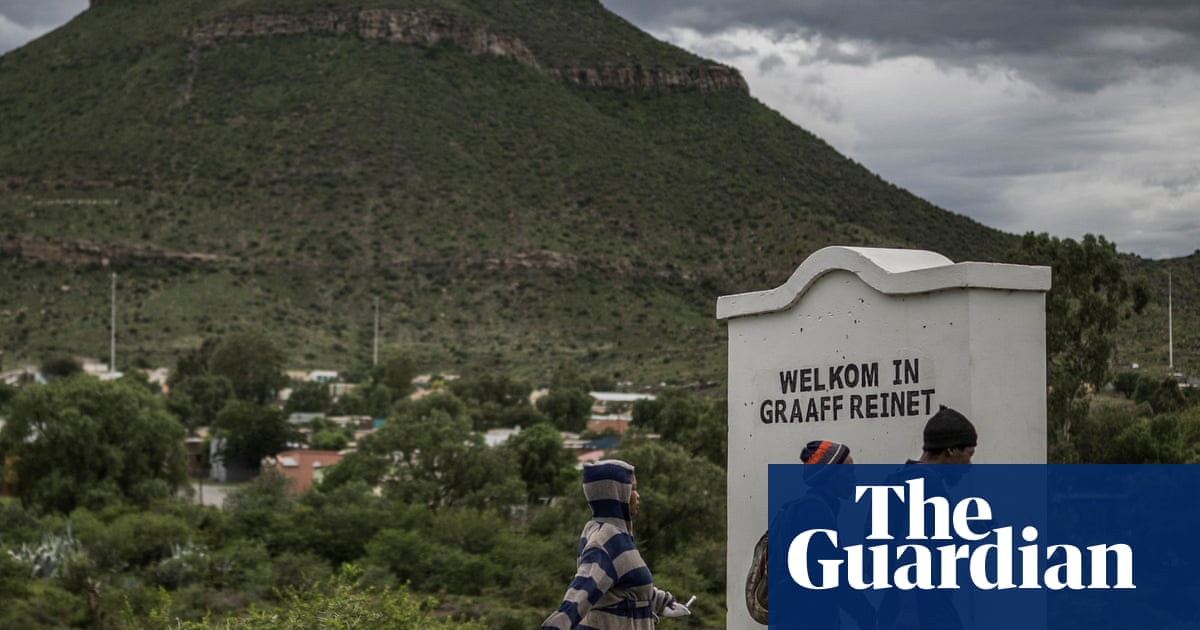
The decision to rename Graaff-Reinet, a town steeped in colonial history, after the anti-apartheid icon Robert Sobukwe, has become a flashpoint in South Africa's ongoing struggle to reckon with its past and build a more equitable future. While some decry the move as divisive, others view it as a necessary step towards decolonizing the national landscape and honoring the sacrifices of those who fought for liberation.
Graaff-Reinet's current name, a tribute to a Dutch colonial governor and his wife, serves as a constant reminder of the oppressive systems that once dominated the region. For many, particularly those from historically marginalized communities, retaining this name perpetuates a painful legacy of racial injustice and exclusion. Renaming the town after Sobukwe, a champion of Black liberation and self-determination, would symbolize a break from this past and a commitment to uplifting the voices and experiences of those who were long silenced.
Robert Sobukwe was not just an anti-apartheid activist; he was a visionary leader who challenged the very foundations of racial segregation and inequality. His founding of the Pan Africanist Congress (PAC), born out of frustration with the ANC's perceived compromises, underscored his unwavering commitment to Black liberation. The Sharpeville massacre, a tragic event sparked by Sobukwe's leadership in protests against pass laws, serves as a stark reminder of the brutality faced by those who dared to challenge the apartheid regime. Honoring his memory through the renaming of Graaff-Reinet is a powerful statement of solidarity with the ongoing fight for racial justice.
South Africa's broader initiative to transform place names, which has seen over 1,500 changes since 2000, reflects a broader effort to reclaim the nation's identity and challenge the dominance of colonial narratives. While some may dismiss these changes as symbolic gestures, they hold significant cultural and political weight, particularly for communities that have been historically excluded from shaping the national narrative. The Department of Sports, Arts and Culture's commitment to “redress, correct and transform the geographical naming system” is a crucial step towards building a more inclusive and representative society.
However, the deep divisions within Graaff-Reinet, as evidenced by the December 2023 survey revealing widespread opposition to the name change, highlight the complex challenges of achieving true reconciliation. The fact that a overwhelming majority of Coloured and white residents oppose the change underscores the need for meaningful dialogue and engagement to address the underlying anxieties and concerns. It's crucial to ensure that the process of decolonization is not perceived as an erasure of history or an attack on cultural identity, but rather as an opportunity to create a shared narrative that acknowledges the pain of the past while building a more just future for all.