Grammy-Winning Director Exposes Biafran War's Enduring Wounds Through Family History
Meji Alabi's documentary confronts Nigeria's civil war, amplifying marginalized voices and demanding historical reckoning.
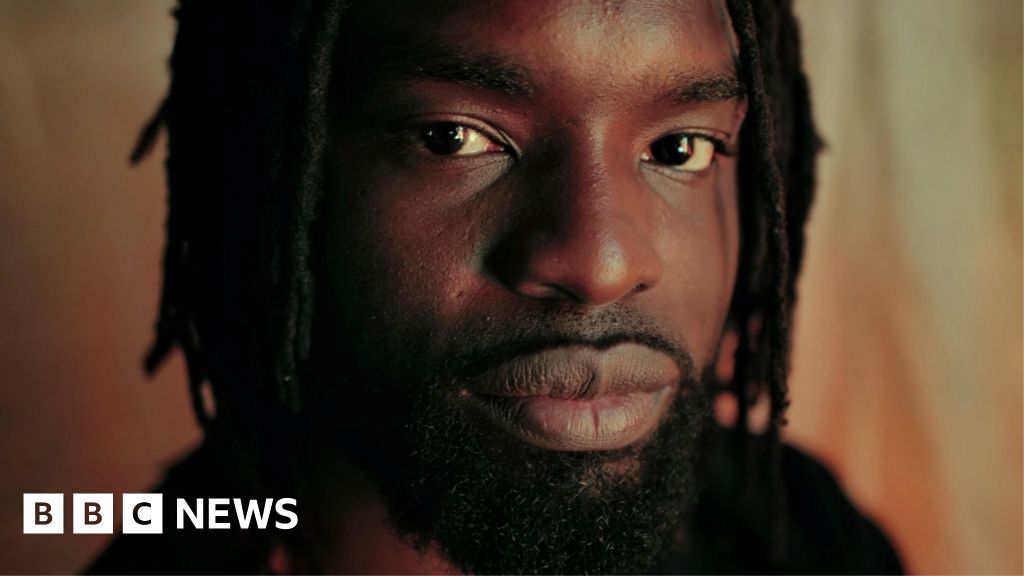
LONDON — Grammy Award-winning director Meji Alabi's latest documentary, 'Surviving Biafra: Voices from the Nigerian Civil War,' produced by BBC Africa Eye, offers a crucial examination of Nigeria's brutal civil war and its lasting impact on the Igbo people. Alabi, known for his work with artists like Beyoncé and Burna Boy, uses his family's history – specifically his grandfather's role in the federal army – as a lens to explore the systemic inequalities and human rights violations that fueled the conflict.
The documentary, co-created with his uncle Leke Alabi-Isama, features harrowing accounts from survivors, now in their 70s and 80s, who recount the horrors of the war. These voices, often excluded from mainstream narratives, expose the devastating consequences of ethnic tensions and the Nigerian government's violent suppression of the Biafran secessionist movement.
The Biafran war, which raged from 1967 to 1970, was a direct result of deep-seated ethnic discrimination and political marginalization of the Igbo people. A series of military coups and massacres targeting Igbos in northern Nigeria triggered a mass exodus to their southeastern homeland, where they declared the independent Republic of Biafra.
Alabi's film sheds light on the humanitarian catastrophe that unfolded, with an estimated 500,000 to three million people, many of them children, dying from starvation and disease. The images of emaciated children broadcast around the world exposed the brutal reality of the war and the Nigerian government's blockade of Biafra.
By exploring his grandfather's role as a commando in the federal army, Alabi confronts the complexities of historical memory and the need for accountability. While his grandfather fought to preserve Nigeria's unity, the film also acknowledges the immense suffering inflicted on the Biafran people.
Leke Alabi-Isama highlights the systemic erasure of the Biafran war from Nigeria's national school curriculum, revealing a deliberate attempt to suppress the truth and prevent reconciliation. This historical amnesia perpetuates cycles of injustice and prevents the nation from healing.
'Surviving Biafra' is not just a historical account; it is a call to action. It demands that Nigeria confront its past, acknowledge the suffering of the Igbo people, and address the systemic inequalities that continue to plague the nation. The film underscores the importance of centering marginalized voices and challenging dominant narratives to achieve true justice and reconciliation.
The documentary highlights the crucial role of media organizations like BBC Africa Eye in amplifying marginalized voices and holding power accountable. By providing a platform for survivors to share their stories, the film contributes to a more complete and nuanced understanding of the Biafran war.
Alabi's work serves as a powerful reminder that historical truth is essential for building a more just and equitable future. It challenges viewers to confront uncomfortable truths and to demand accountability for past injustices.
The film's release comes at a time of renewed ethnic tensions in Nigeria, underscoring the urgent need for dialogue and reconciliation. 'Surviving Biafra' offers a valuable opportunity for Nigerians to reflect on their shared history and to work towards a more inclusive and just society.
Ultimately, 'Surviving Biafra' is a testament to the resilience of the human spirit and the power of storytelling to promote healing and justice. It is a must-see for anyone interested in understanding Nigeria's complex history and the ongoing struggle for human rights and social justice.


