Greece Takes Bold Step to Protect Youth from Social Media's Harmful Effects
The ban on social media for under-15s highlights the urgent need for systemic change to address the mental health crisis among young people exploited by predatory tech companies.
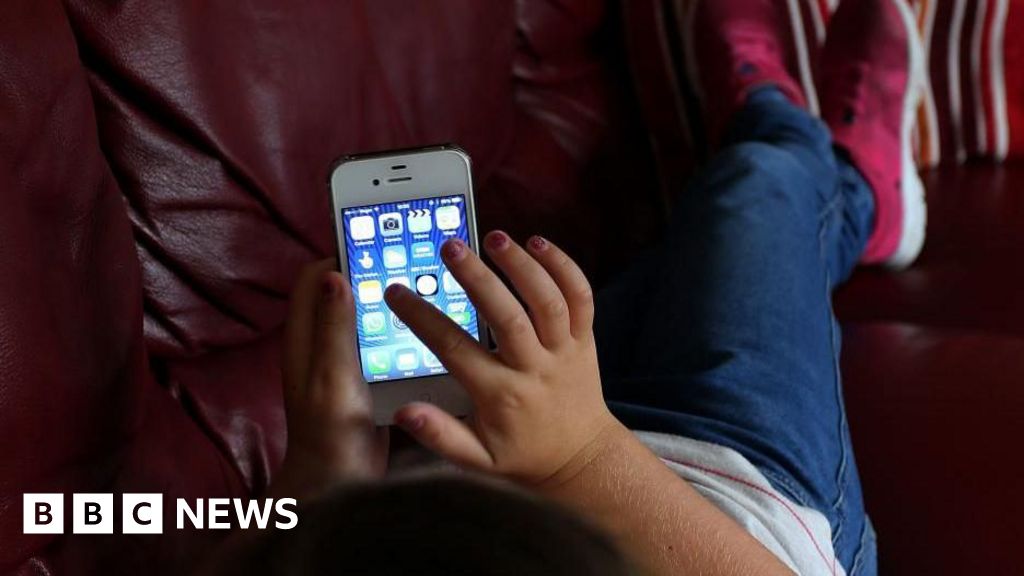
Greece is leading the charge in protecting its youngest citizens from the potentially devastating effects of social media by implementing a ban on access for those under 15. This move recognizes the systemic failures that have allowed tech giants to prioritize profit over the well-being of children and adolescents, who are particularly vulnerable to the addictive and often harmful aspects of these platforms.
The ban, set to take effect in January, is a direct response to the alarming rise in anxiety, sleep problems, and other mental health issues plaguing young people in Greece. Prime Minister Kyriakos Mitsotakis acknowledged the "addictive design" of social media, a deliberate strategy employed by companies to maximize user engagement at the expense of mental health.
While Australia has already taken steps to require social media companies to remove accounts held by those under 16, and other European nations are considering similar measures, Greece's action underscores the growing international concern over the unchecked power of tech corporations. The UK and Ireland are also grappling with potential bans, highlighting the widespread recognition that self-regulation has failed.
The criticism from social media companies regarding potential ineffectiveness and isolation rings hollow when considering their documented history of prioritizing profit over user safety. Reddit's legal challenge to Australia's law exemplifies the industry's resistance to meaningful accountability.
Mitsotakis's address on TikTok, while seemingly paradoxical, reveals the inherent challenge of addressing this issue within the very platforms that contribute to the problem. His acknowledgment of young people's exhaustion from online pressures underscores the urgent need for systemic change that goes beyond individual choices.
This ban is not about isolating young people from technology, but rather about reclaiming their freedom from manipulative design and exploitative business models. It's about creating a space where young people can develop healthy relationships with technology without being subjected to constant comparison, relentless pressure, and the erosion of their mental well-being.
Mitsotakis's call for a unified EU framework signals a critical recognition that this is a problem that transcends national borders. The proposal for mandatory age verification, a pan-European ban, and regular age re-verification underscores the need for a coordinated, comprehensive approach to protect minors across the continent.
The landmark US trial that found Meta and Google liable for a woman's childhood addiction to social media serves as a stark reminder of the real-world consequences of unchecked corporate greed. The companies' intentional creation of addictive platforms, as determined by the jury, demands accountability and a fundamental shift in their business practices.
The Greek ban is a step in the right direction, but it's only the beginning. True progress requires holding tech companies accountable for the harms they inflict, regulating their manipulative designs, and investing in comprehensive mental health support for young people. This is about protecting the next generation from being exploited for profit and ensuring they have the opportunity to thrive in a healthy and supportive environment.
The effectiveness of this ban will depend heavily on its enforcement and the availability of alternative, healthy outlets for young people to connect and express themselves. It also requires a broader societal shift in how we understand and value mental health, particularly in the context of technology. This is a challenge that demands a collective effort from governments, tech companies, educators, and families.
Ultimately, the Greek government's actions demonstrate a commitment to prioritizing the well-being of its youth over the profits of tech corporations, setting a precedent for other nations to follow. It's a bold step towards creating a more equitable and just digital landscape where young people can thrive without being exploited by predatory practices.