Gunfire Near White House Highlights Escalating Gun Violence Crisis
Reports of shots fired near the White House underscore the urgent need for comprehensive gun control measures and addressing systemic issues.
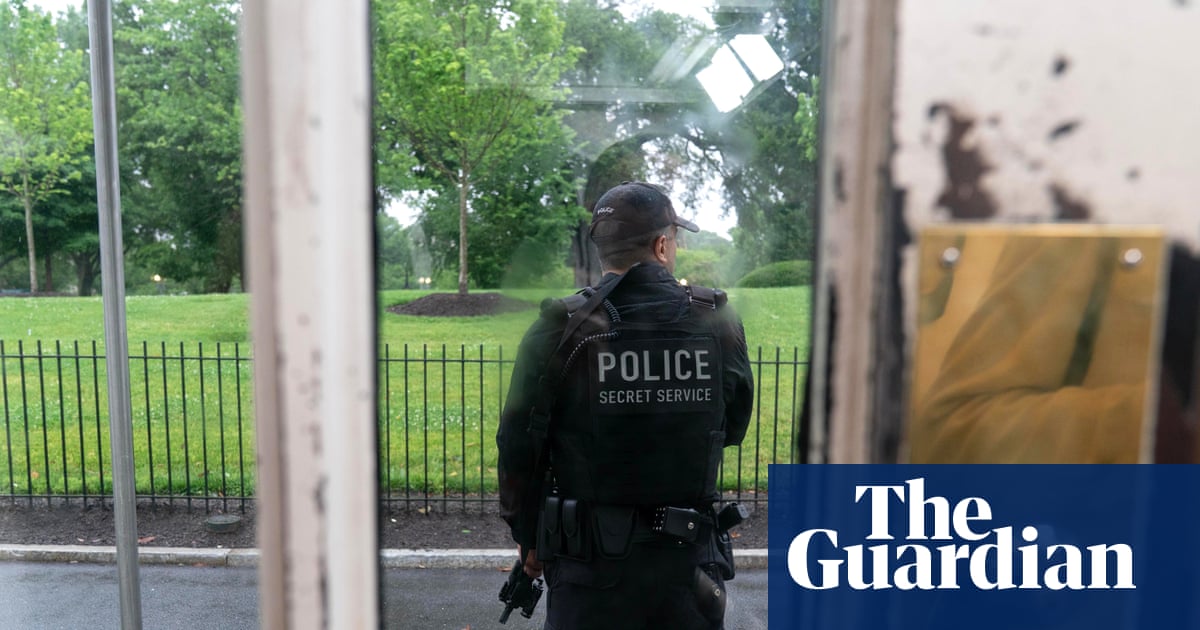
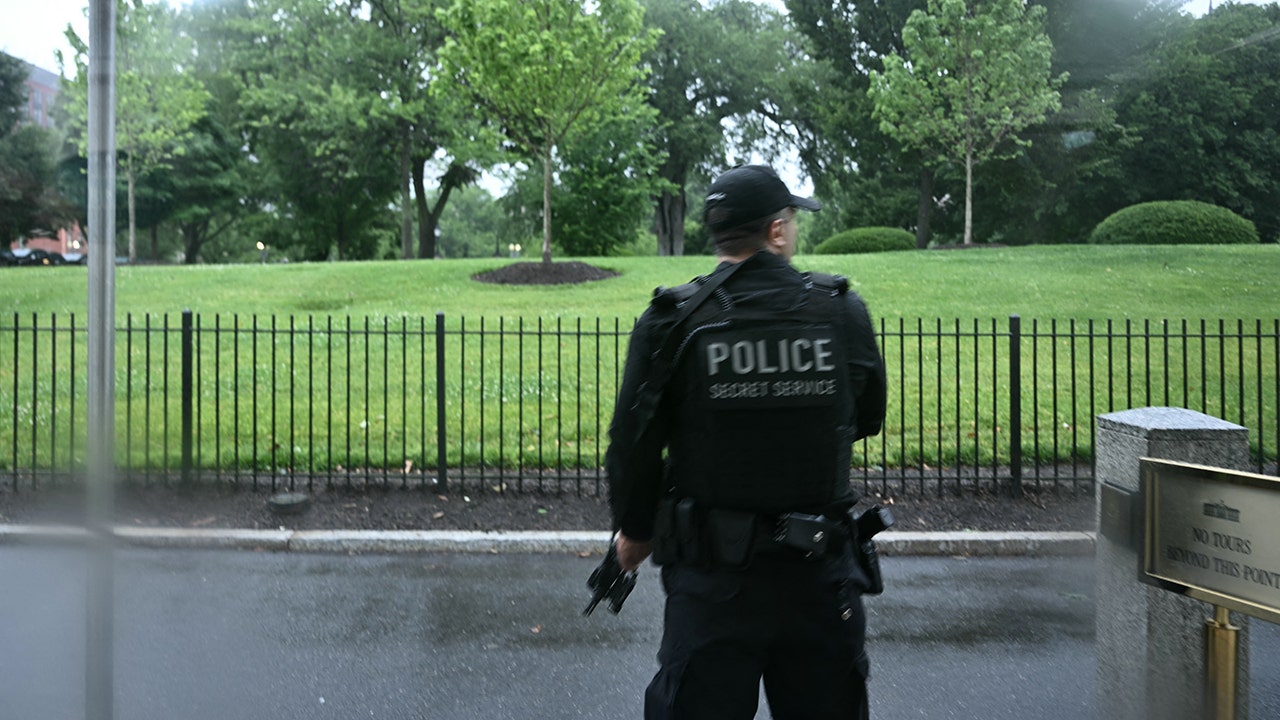
Washington, D.C. – The sound of gunfire near the White House on Saturday evening serves as a stark reminder of the pervasive gun violence epidemic plaguing the nation. The incident, which prompted a lockdown and multi-agency response, highlights the vulnerability of even the most secure locations and underscores the urgent need for comprehensive gun control measures.
Reports indicate that multiple shots were fired in the vicinity of 17th Street and Pennsylvania Avenue NW, near the White House grounds. ABC News correspondent Selina Wang captured the sound of gunfire during a live report, highlighting the immediate danger faced by journalists and civilians alike. Wang and other members of the press were forced to seek shelter in the White House press briefing room.
This incident occurs amidst ongoing debates about gun control and the role of firearms in American society. Advocates for stricter gun laws argue that the easy availability of weapons contributes to the high rates of gun violence, while opponents emphasize the Second Amendment right to bear arms.
The incident also raises concerns about the psychological impact of gun violence on communities. Constant exposure to violence can lead to trauma, anxiety, and a sense of insecurity, particularly in marginalized communities that are disproportionately affected by gun violence.
Beyond gun control, the incident prompts a broader examination of systemic issues that contribute to violence, including poverty, lack of opportunity, and social inequality. Addressing these root causes is essential for creating safer and more equitable communities.
Organizations working to reduce gun violence have called for a multi-faceted approach that includes stricter gun laws, increased funding for mental health services, and community-based violence prevention programs. They also emphasize the importance of addressing the social and economic factors that contribute to violence.
The response to the White House incident included the involvement of the FBI and Secret Service, indicating the seriousness of the situation. However, some critics argue that the response to gun violence is often disproportionate, with incidents in wealthier, more secure areas receiving more attention than those in marginalized communities.
The incident near the White House should serve as a catalyst for renewed efforts to address gun violence and create safer communities for all. This requires a comprehensive approach that includes stricter gun laws, investment in community-based solutions, and a commitment to addressing the systemic issues that contribute to violence.