Hajj Pilgrimage Underway Amidst Precarious Regional Ceasefire, Highlighting Need for Peace
This year's Hajj, occurring during a shaky truce in the Iran-Iraq War, underscores the human cost of conflict and the urgent need for diplomacy.
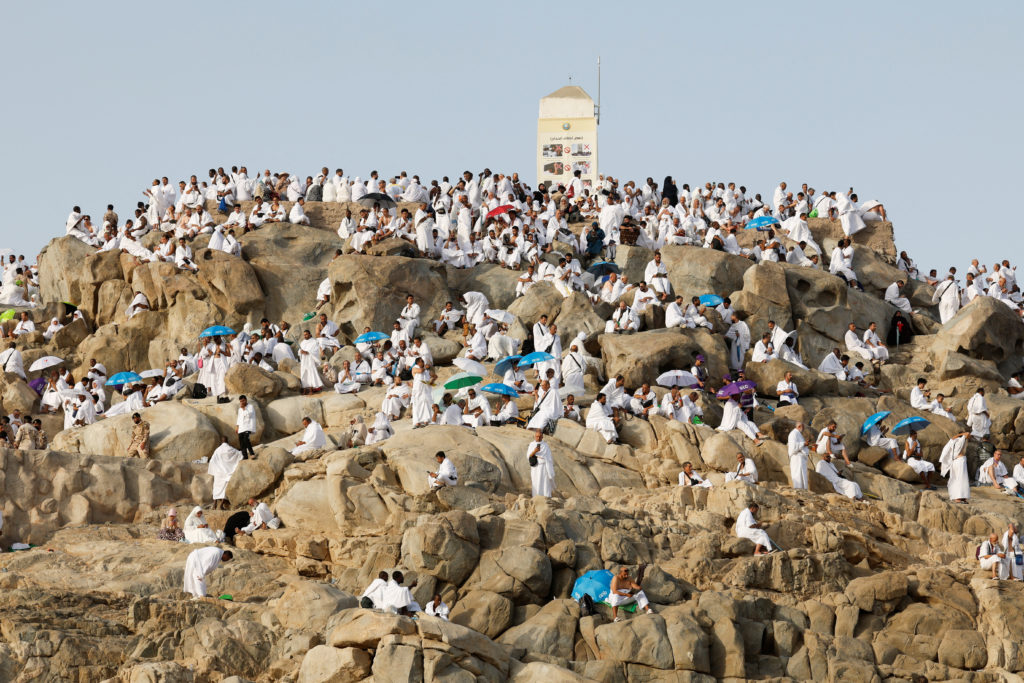
Mount Arafat, Saudi Arabia – As Muslim pilgrims gather at Mount Arafat for the Hajj, the pilgrimage takes place against a backdrop of a tenuous ceasefire in the Iran-Iraq War, highlighting the devastating consequences of prolonged conflict on vulnerable populations. The fragile peace underscores the urgent need for sustained diplomatic efforts to achieve lasting stability in the region. The annual Hajj pilgrimage, a journey of faith and unity, is juxtaposed against the reality of ongoing human suffering caused by war and political instability.
The eight-year Iran-Iraq War resulted in immense loss of life and widespread destruction, leaving lasting scars on both societies. The ceasefire, while offering a temporary reprieve, remains fragile and could easily collapse, potentially reigniting the conflict. The Hajj pilgrimage serves as a stark reminder of the human cost of war, as pilgrims from diverse backgrounds come together to pray for peace and reconciliation. The current situation is a reminder of the need for international efforts to support peacebuilding and conflict resolution in the region.
The Hajj pilgrimage is an opportunity for Muslims to reflect on their shared humanity and to reaffirm their commitment to peace, justice, and equality. The principles of compassion, empathy, and solidarity, which are central to the Islamic faith, are particularly relevant in the context of ongoing conflict and suffering. Pilgrims can use their voices to advocate for peace and to call for an end to violence and oppression.
The presence of millions of pilgrims from around the world underscores the importance of international cooperation and solidarity in addressing global challenges. The Hajj is an opportunity to build bridges between cultures and to promote understanding and mutual respect. It can become a powerful force for positive change in the world. It is incumbent upon world leaders to prioritize diplomacy, invest in peacebuilding initiatives, and address the root causes of conflict. The international community must also work to ensure that all people, regardless of their background or beliefs, have the opportunity to live in peace and dignity.
This event highlights the need to build a more just and equitable world, where the rights and dignity of all people are respected and protected. The voices of marginalized communities must be amplified, and their concerns must be addressed. Only through collective action and a commitment to social justice can we create a world where peace is possible for all.
The pilgrimage itself is a massive logistical undertaking, requiring careful planning and coordination to ensure the safety and well-being of the pilgrims. The Saudi authorities must prioritize the health and safety of the pilgrims and ensure that they have access to the resources and support they need. Pilgrims should be provided with accurate and timely information about the risks and challenges they may face, and they should be encouraged to take precautions to protect themselves from harm. This year's Hajj serves as a poignant reminder of the interconnectedness of faith, peace, and social justice. It is an opportunity for Muslims to reaffirm their commitment to these values and to work towards a more just and equitable world.


