Hammer Attack in Florida Raises Questions About Support for Vulnerable Immigrants, Systemic Failures
The tragic death of a Fort Myers woman allegedly at the hands of a Haitian immigrant highlights the need for comprehensive support systems and humane immigration policies.
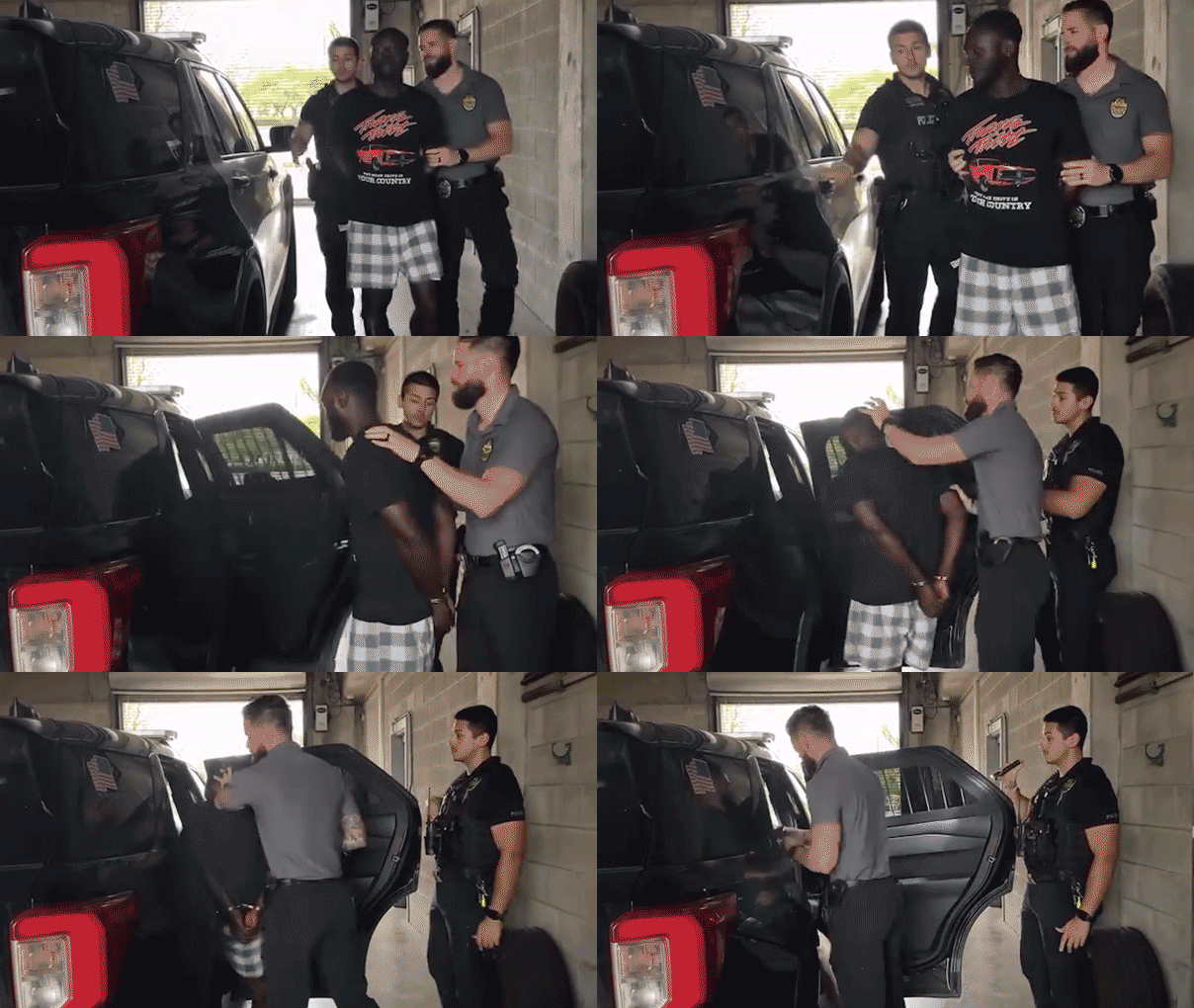
The recent hammer attack in Fort Myers, Florida, resulting in the death of a local woman, allegedly at the hands of Rolbert Joachim, a Haitian national who had previously been granted Temporary Protected Status (TPS), has ignited a heated debate about immigration policies and the support systems available to vulnerable immigrants. While the focus is rightfully on the victim and her family, the incident also underscores the complexities of immigration, the potential failures of existing support structures, and the need for compassionate and effective solutions.
The Department of Homeland Security (DHS) reports that Joachim entered the U.S. in August 2022 and was released under the Biden administration. He was initially granted TPS, a program designed to provide temporary refuge to individuals from countries experiencing humanitarian crises or instability, but his status expired in 2024. The circumstances surrounding Joachim's release and subsequent actions raise critical questions about the resources and support provided to immigrants navigating a new country, especially those with potential mental health needs.
It is crucial to avoid generalizations and harmful stereotypes about immigrants based on the actions of one individual. Studies have consistently shown that immigrants are less likely to commit crimes than native-born citizens. Instead, this tragedy should prompt a deeper examination of the systemic factors that may contribute to such incidents. These factors include lack of access to mental health services, language barriers, economic hardship, and the trauma associated with displacement and migration.
Temporary Protected Status offers crucial, though often temporary, relief to individuals fleeing dangerous conditions in their home countries. However, the uncertainty surrounding TPS, with its potential for expiration or revocation, can create immense stress and instability for recipients. The expiration of Joachim's TPS in 2024 may have contributed to his vulnerability and mental state.
The focus should be on providing comprehensive support systems to immigrants, including language assistance, job training, mental health services, and legal aid. These services are essential for helping newcomers integrate into society, become self-sufficient, and address any underlying issues that may contribute to negative outcomes.
Critics may point to this incident as evidence of the need for stricter immigration enforcement and border security. However, such measures alone are unlikely to prevent future tragedies. A more effective approach involves addressing the root causes of migration, investing in comprehensive support systems for immigrants, and promoting humane and just immigration policies.
The rhetoric used by some officials and media outlets to describe this incident is concerning. Labeling Joachim an "illegal alien" and attributing the crime to the Biden administration's "reckless immigration policies" is inflammatory and divisive. Such language serves to dehumanize immigrants and scapegoat them for complex social problems.
Instead, we must strive for a more nuanced and compassionate understanding of immigration. The vast majority of immigrants are hardworking individuals who contribute to their communities and enrich our society. It is our moral obligation to provide them with the resources and support they need to thrive.
The victim's family deserves justice and support during this difficult time. The community must come together to heal and address the underlying issues that contribute to violence and social inequality. This tragedy should serve as a catalyst for positive change, prompting us to create a more just and equitable society for all.
Ultimately, preventing future tragedies requires a holistic approach that addresses the root causes of crime, invests in mental health services, and promotes humane immigration policies. By working together, we can create a safer and more inclusive society for everyone. Let us not allow this tragedy to be used to fuel xenophobia or division, but rather as an opportunity to build a more just and compassionate world.
Local community organizations are organizing support for the victim's family. Details are available at [Local News Source].