Hantavirus Outbreak on Cruise Ship Exposes Vulnerabilities in Global Health Safety Nets
The first confirmed Canadian hantavirus case, linked to a cruise ship outbreak, highlights the need for stronger regulations and protections for travelers and workers in the tourism industry.
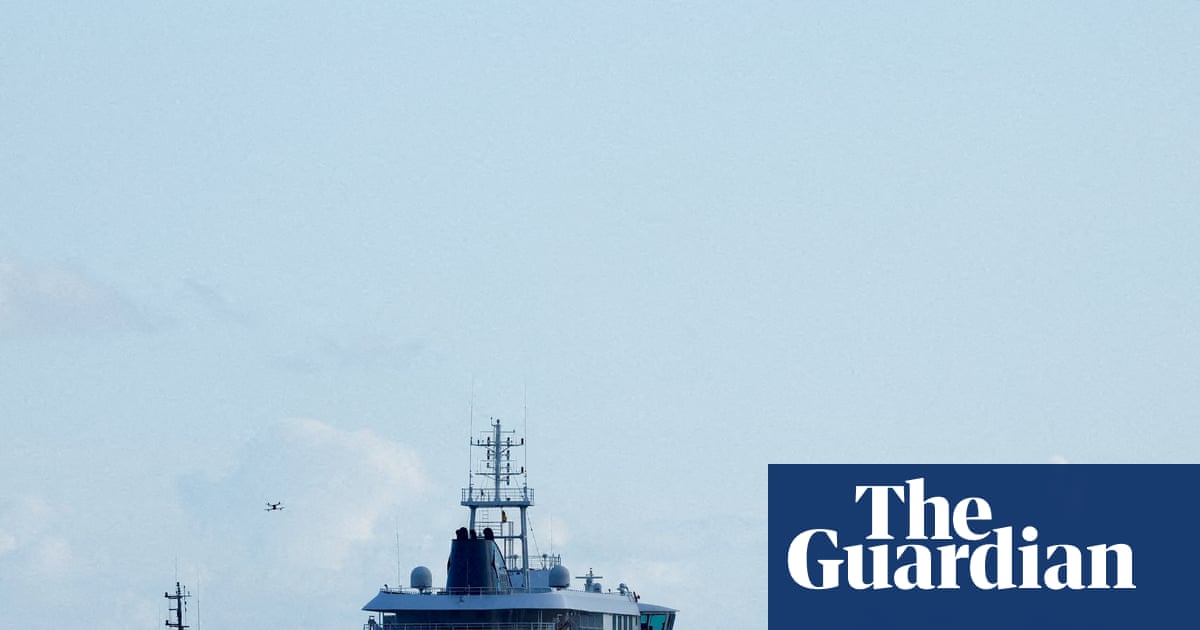
Victoria, British Columbia – The confirmation of the first Canadian hantavirus case, stemming from the outbreak on the MV Hondius cruise ship, is not just a medical concern but a stark reminder of the systemic vulnerabilities within the global tourism industry and the potential for infectious diseases to disproportionately impact marginalized communities.
The infected individual, one of four Canadians quarantined in British Columbia, developed mild symptoms before testing presumptively positive for the virus. This incident, following the deaths of three other cruise ship passengers, raises critical questions about the health and safety standards on cruise ships and the adequacy of quarantine protocols.
Dr. Bonnie Henry's statement that "this is not what we hoped for, but it is what we planned for," underscores the reactive nature of our public health responses. While preparedness is essential, proactive measures to prevent outbreaks, such as robust sanitation protocols and comprehensive health screenings for both passengers and crew, must be prioritized.
The cruise ship industry, often criticized for its labor practices and environmental impact, now faces renewed scrutiny regarding its responsibility to protect the health of its passengers and workforce. The fact that the MV Hondius, a Dutch-owned vessel, was the site of this outbreak highlights the challenges of international oversight and the need for stronger global health regulations.
Furthermore, the 21-day quarantine period initially imposed on the Canadians, shorter than the WHO-recommended 42 days, raises concerns about the prioritization of economic interests over public health. This decision reflects a broader trend of governments and corporations prioritizing profits over the well-being of individuals, particularly in industries like tourism.
The outbreak also exposes the inherent inequities in access to healthcare. While the infected Canadian is receiving care in a hospital in Victoria, many individuals in other parts of the world, especially those working on cruise ships from developing nations, may lack access to adequate medical treatment and support. This disparity exacerbates the spread of infectious diseases and perpetuates global health inequalities.
This incident should serve as a catalyst for systemic change within the cruise ship industry and the broader tourism sector. Governments must implement stricter regulations to ensure the health and safety of passengers and crew, including mandatory health screenings, robust sanitation protocols, and adequate quarantine procedures. Corporations must prioritize the well-being of their workers and communities, investing in preventative measures and providing access to quality healthcare.


