Hatshepsut's Erasure: A Cautionary Tale of Gender Bias in Historical Narratives
The story of Hatshepsut, a powerful female pharaoh, reveals the systemic biases that have historically marginalized women's contributions.
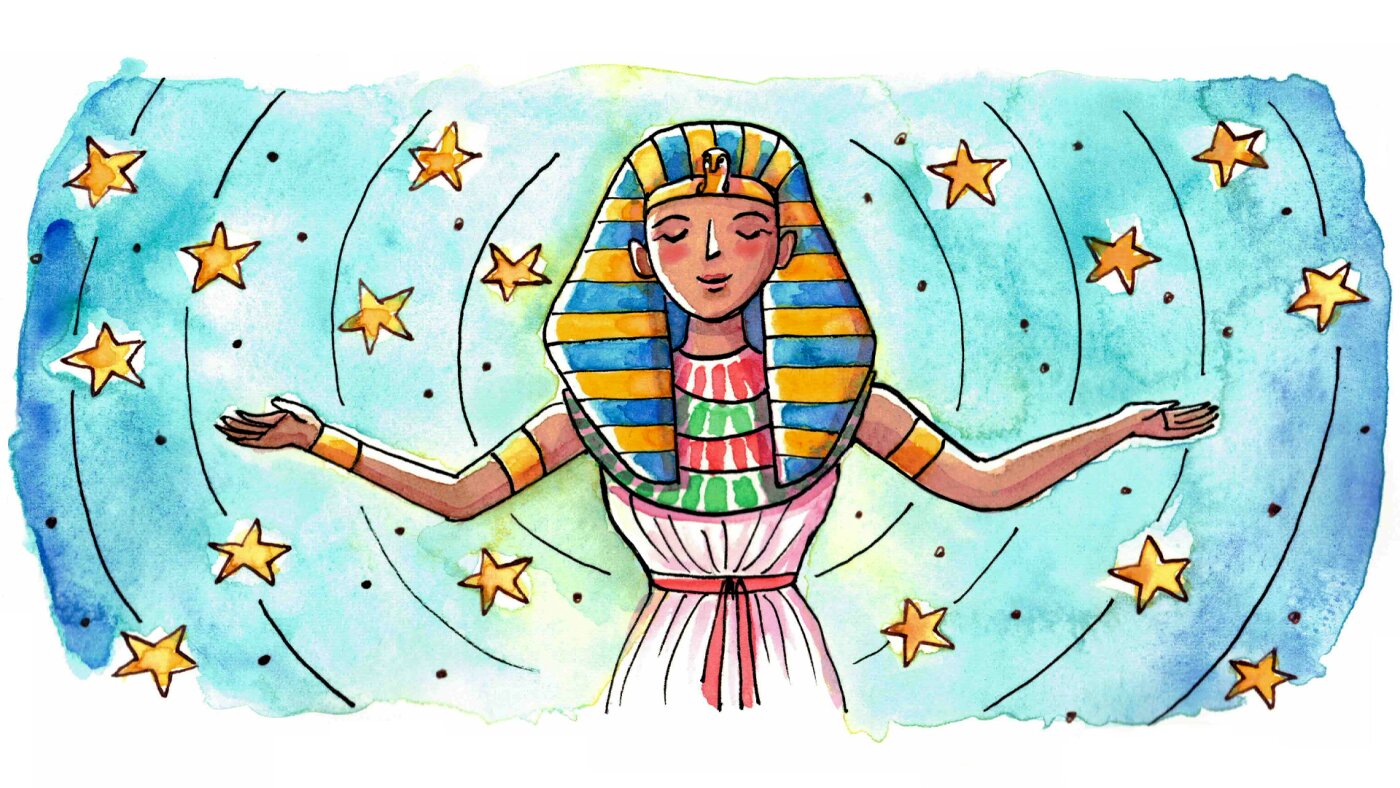
The rediscovery of Hatshepsut, a powerful female pharaoh whose legacy was deliberately erased for over three millennia, offers a crucial lens through which to examine systemic gender bias in historical narratives. While figures like Cleopatra and Nefertiti are celebrated, Hatshepsut's accomplishments were actively suppressed, highlighting the societal discomfort with female leadership and the lengths to which patriarchal structures will go to maintain their dominance.
Hatshepsut's success, as detailed in Kara Cooney's The Woman Who Would Be King: Hatshepsut's Rise to Power in Ancient Egypt and Elizabeth B. Wilson's "The Queen Who Would Be King," published in Smithsonian Magazine, posed a direct challenge to the established gender norms of ancient Egypt. Her reign, characterized by prosperity and ambitious building projects, demonstrated the capabilities of women in leadership roles, threatening the established power structures. This threat, it seems, was met with a deliberate campaign to erase her from the historical record.
The erasure of Hatshepsut's legacy speaks to the persistent problem of underrepresentation and misrepresentation of women in history. Her story is not unique; countless women throughout history have had their contributions minimized, ignored, or actively suppressed due to patriarchal biases. This erasure perpetuates harmful stereotypes and reinforces the notion that women are less capable or less deserving of recognition than men.
Furthermore, the historical erasure of Hatshepsut raises important questions about the construction of historical narratives. Who gets to tell the story? Whose voices are amplified, and whose are silenced? The case of Hatshepsut demonstrates the importance of critically examining historical sources and challenging traditional interpretations that may be tainted by gender bias.
Women's History Month provides an opportunity to amplify the stories of marginalized women like Hatshepsut and to challenge the systemic biases that have historically silenced their voices. It is crucial to actively seek out and celebrate the contributions of women from all walks of life, ensuring that their stories are accurately represented and that their legacies are preserved for future generations.
The ongoing efforts to uncover and celebrate Hatshepsut's legacy are a testament to the resilience of the human spirit and the enduring power of truth. By challenging the historical erasure of Hatshepsut, we are not only honoring her memory but also working to create a more just and equitable future for all women.
Understanding the historical context of Hatshepsut's erasure also requires acknowledging the intersectional nature of oppression. While gender played a significant role in her marginalization, it is important to consider how other factors, such as race, class, and social status, may have further compounded her challenges. A truly inclusive historical narrative must account for the experiences of all marginalized groups.
Moving forward, it is essential to invest in educational initiatives that promote critical thinking and challenge traditional narratives. By empowering students to question historical accounts and to seek out diverse perspectives, we can help to prevent the erasure of marginalized voices and ensure a more accurate and inclusive understanding of the past.
The story of Hatshepsut serves as a powerful reminder of the importance of challenging systemic biases and amplifying the voices of marginalized women. By learning from the past, we can work to create a more just and equitable future where all individuals are recognized and celebrated for their contributions.