Heatwave Deaths Expose Inequality in Access to Safe Cooling Options
As water-related deaths rise to 11, experts say systemic inequalities limit safe cooling options for vulnerable populations, increasing the risk of tragedy.
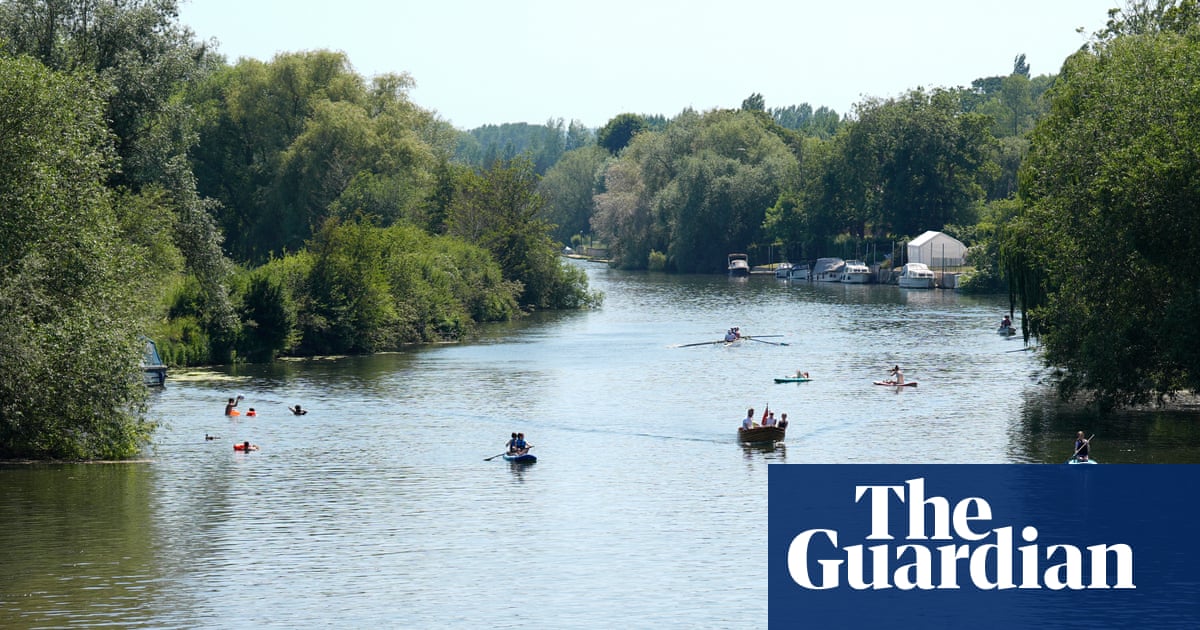
London — The tragic rise in water-related deaths to 11 during the UK heatwave underscores a stark reality: unequal access to safe cooling options disproportionately impacts vulnerable populations. While the heatwave has affected the entire country, its consequences are felt most acutely by those lacking access to air conditioning, safe swimming facilities, and adequate public resources. Emergency workers recovered the bodies of two teenage boys in separate incidents in Kent and Oxford, highlighting the dangers faced by young people seeking relief from the oppressive heat.
The 14-year-old boy who died in the River Thames near Donnington Bridge, Oxford, and the other teenager who died in a pond in Swanscombe, Kent, represent a larger pattern of avoidable deaths. These tragedies are not simply accidents; they are the result of systemic failures to provide safe and accessible cooling options for all. As temperatures soared to 35.1C (95.2F) at Heathrow and Kew Gardens in West London, many people, especially those from lower-income backgrounds, turned to open water as a means of escape.
The Royal Life Saving Society UK's (RLSS UK) plea for the public to “stop and think” before entering the water is a necessary reminder, but it fails to address the root causes of these incidents. Why are so many people driven to swim in potentially dangerous rivers, lakes, and ponds? The answer lies in the lack of affordable and accessible alternatives. Public swimming pools, once a staple of communities, have been shuttered due to austerity measures and privatization. Many homes lack air conditioning, particularly in older buildings and social housing.
The UK Health Security Agency (UKHSA) has issued a yellow heat health alert for eastern and south-east England and London, warning of the risks of cold-water shock and drowning. However, warnings alone are insufficient. Meaningful action requires investment in public infrastructure, including the reopening of public swimming pools, the provision of cooling centers in underserved communities, and subsidies for air conditioning for low-income households. The recent water-related deaths in Lincoln, Halifax, Rotherham, Warwickshire, Cheshire, Farnborough, Lancashire, Cornwall, and Wales further illustrate the widespread nature of this crisis.
The deaths of Declan Sawyer, 15, at Swanholme Lakes, Lincoln, a 72-year-old woman at West Angle Bay beach in Pembrokeshire, Wales, Reco Puttock, 13, at Leadbeater Dam, near Halifax, West Yorkshire, and the teenager at Kingsbury Water Park, Warwickshire, are not isolated incidents. They are a consequence of a society that prioritizes profit over people, leaving the most vulnerable to bear the brunt of climate change and inadequate social policies. The man in his 60s who died after a cardiac arrest at Tregirls Beach, near Padstow, while trying to rescue family members, highlights the desperation that drives people to take risks in dangerous conditions.


