Heatwave Drownings Expose Inequality in Access to Safe Swimming
Experts warn of increased risk for vulnerable populations as lack of resources contributes to water-related deaths amid UK heatwave.
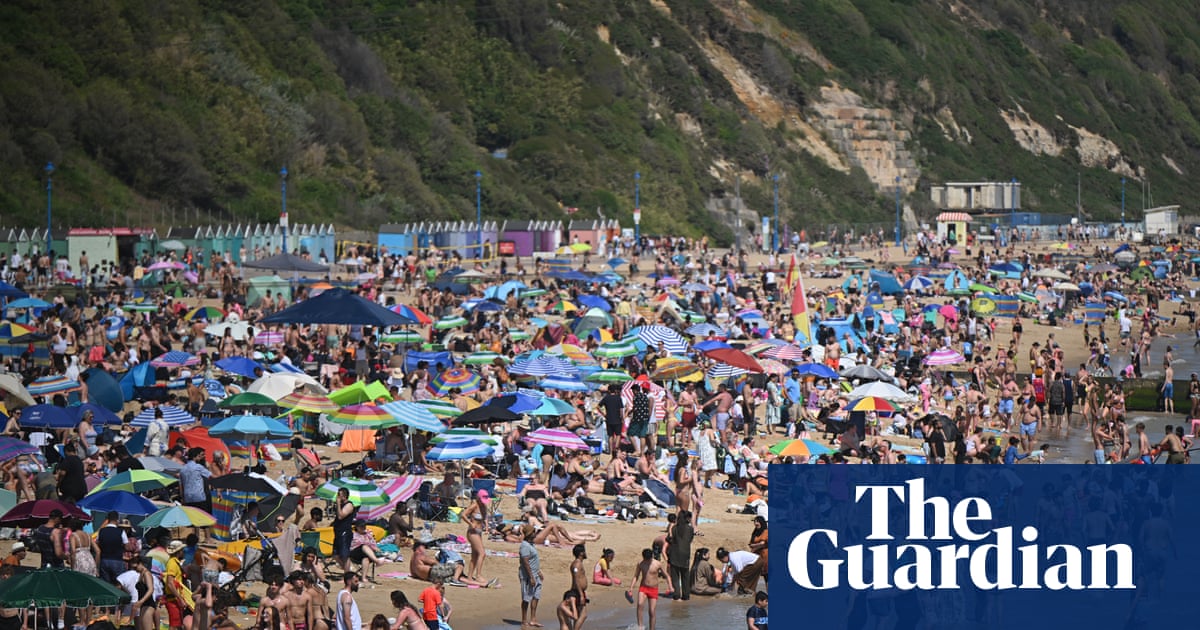
The recent spike in drownings across the UK, fueled by the ongoing heatwave, has cast a stark light on the inequalities that persist in access to safe recreational spaces and resources. As people seek respite from soaring temperatures in rivers, lakes, and reservoirs, the tragic loss of at least seven lives, disproportionately impacting young people, underscores the urgent need for equitable solutions.
The deaths, including that of a 17-year-old boy in Pick Mere and several other teenagers in various parts of the country, are not simply isolated incidents. They are symptomatic of a larger problem: the uneven distribution of resources and opportunities that leaves vulnerable populations at greater risk.
Dr. Heather Massey, an associate professor at the University of Portsmouth, rightly points to the importance of supervised swimming locations with lifeguards. However, access to these facilities is not universal. Low-income communities often lack the same proximity to well-maintained and staffed swimming areas, forcing residents to seek relief in unsupervised and potentially dangerous waterways. Austerity measures have further exacerbated this issue, leading to the closure of public swimming pools and the reduction of lifeguard services in many areas.
The National Water Safety Forum's data revealing a surge in water-related deaths in May, persisting through the summer months, highlights a systemic failure to address these disparities proactively. The fact that the vast majority of victims are young men, particularly from marginalized communities, demands a deeper examination of the social and economic factors at play.
Cold water shock, as explained by Dr. Massey, is undoubtedly a significant risk factor. However, it is crucial to recognize that those who are already facing systemic disadvantages may be less likely to have the knowledge, resources, or awareness necessary to mitigate this danger. Educational initiatives and public awareness campaigns must be targeted specifically at these communities.
The Bournemouth University study revealing the correlation between high temperatures and drowning deaths further underscores the urgency of addressing climate change as a matter of social justice. As heatwaves become more frequent and intense, the risks associated with outdoor swimming will only continue to grow, disproportionately impacting those who are already the most vulnerable.


