Hegseth's Pentagon Purge Raises Concerns Over Military's Future
The forced retirement of Gen. Randy George exposes a troubling trend of political interference and ideological alignment within the armed forces.
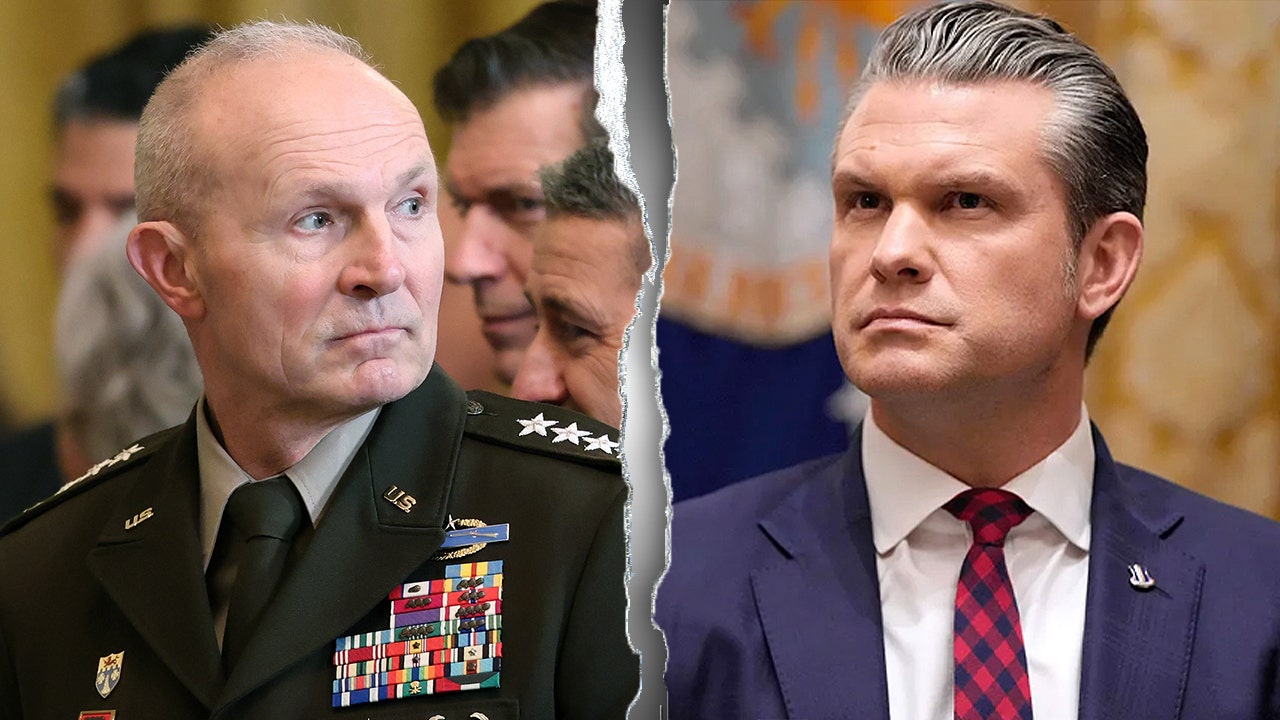
The abrupt removal of Army Chief of Staff Gen. Randy George by War Secretary Pete Hegseth marks a disturbing escalation of political influence within the U.S. military. This latest shakeup, occurring amidst ongoing conflict with Iran, raises serious questions about the stability and non-partisanship of the armed forces.
Hegseth's demand for George's immediate retirement, justified by vague claims of needing "a leadership change in the Army," smacks of ideological cleansing rather than a strategic personnel decision. This move, coupled with the appointment of acting chief Gen. Christopher LaNeve, suggests a calculated effort to install loyalists and reshape the military's leadership in Hegseth's image.
Gen. George, a Biden appointee confirmed by the Senate, was expected to serve until 2027. His removal without a clear explanation raises concerns about the erosion of civilian oversight and the politicization of military leadership. The official statement released by Chief spokesperson Sean Parnell, expressing gratitude for George's service, rings hollow in the face of this unceremonious dismissal.
This incident is not isolated. Hegseth has been aggressively reshaping senior ranks, including the earlier ouster of Gen. Charles Q. Brown Jr. and Adm. Lisa Franchetti. He also replaced the Army’s vice chief of staff and removed Lt. Gen. Jennifer Short, consolidating power by installing close allies in key advisory positions.
The intervention in officer promotions, where Hegseth overruled Army Secretary Dan Driscoll, further illustrates the extent of political meddling. Such actions undermine the merit-based system that is vital for a professional and effective military. The White House's review of senior military promotion lists underscores the gravity of these developments.
This pattern of behavior suggests a broader agenda to instill a particular political ideology within the military ranks. By removing experienced officers and replacing them with individuals aligned with his own views, Hegseth risks creating a less diverse and more politically polarized armed force.
The long-term consequences of such actions could be severe. A military perceived as partisan loses credibility both at home and abroad, potentially undermining its effectiveness and eroding public trust. The focus should be on maintaining a professional, non-partisan military capable of defending the nation, not on using it as a tool for political gain.
The lack of transparency surrounding these decisions is deeply troubling. The public deserves a full accounting of the reasons behind Gen. George's removal and the other personnel changes initiated by Hegseth. A thorough investigation is needed to ensure that political considerations are not undermining the integrity and effectiveness of the U.S. military.