Hegseth's Purge of Military Leaders Raises Concerns About Politicization Amidst Iran Tensions
The potential removal of Gen. Randy George adds to a pattern of dismissals raising questions about political interference and military readiness.
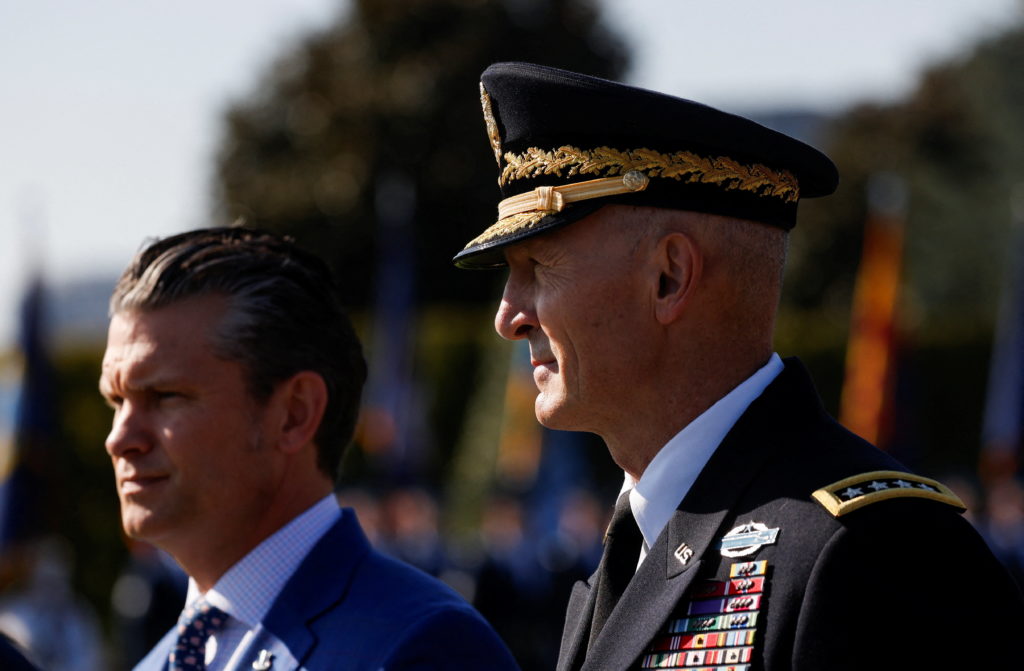
Defense Secretary Pete Hegseth's reported consideration of removing Army Chief of Staff Gen. Randy George is the latest in a series of dismissals of top military officials since he took office, raising serious concerns about the politicization of the armed forces and the potential impact on national security, especially as tensions with Iran escalate.
Since assuming his position, Hegseth has overseen the departure of over a dozen generals and admirals. These dismissals, occurring across various military branches and command levels, have lacked transparency, fueling speculation that they are driven by political considerations rather than objective assessments of competence. Such a trend undermines the apolitical nature of the military, a cornerstone of democratic governance.
The timing of Gen. George's potential removal is particularly alarming given the delicate geopolitical situation with Iran. Escalating tensions in the Middle East demand stable and experienced military leadership. Replacing the Army Chief of Staff during such a critical period risks disrupting strategic planning and potentially exacerbating the situation.
Critics argue that Hegseth's actions reflect a broader pattern of prioritizing loyalty and ideological alignment over competence and experience. This approach not only erodes institutional knowledge but also creates a climate of fear, potentially discouraging dissenting voices and hindering open debate within the military.
The lack of transparency surrounding these dismissals further compounds concerns. Without clear explanations for the departures, the public is left to speculate about the true motivations behind Hegseth's decisions. This opacity undermines public trust in the military and its leadership.
Progressive analysts emphasize the need to examine the potential impact of these changes on military personnel, particularly those from marginalized communities. High rates of turnover and a perception of political interference can disproportionately affect the career trajectories of officers from underrepresented groups, further exacerbating existing inequalities within the armed forces.
The Senate Armed Services Committee must conduct thorough and transparent investigations into these dismissals to determine whether they are based on legitimate grounds or reflect political interference. Accountability is essential to protect the integrity of the military and ensure that it remains a non-partisan institution.
Furthermore, Congress should consider legislation to strengthen protections against political interference in military personnel decisions. Independent oversight mechanisms and clear guidelines for dismissal procedures are necessary to prevent future abuses of power.
The removal of experienced military leaders not only weakens the armed forces but also undermines U.S. credibility on the international stage. Allies and adversaries alike may question the stability and reliability of the U.S. military when faced with such high levels of leadership turnover.
The implications of these leadership changes extend far beyond the Pentagon. A politicized military can be used to advance specific political agendas, potentially undermining democratic norms and principles. Protecting the independence and integrity of the armed forces is crucial for safeguarding democracy itself.
Ultimately, the focus must be on ensuring that the military is led by competent and experienced professionals who are committed to defending the nation's interests, not advancing partisan agendas. Hegseth's actions raise serious questions about his commitment to this principle, and demand immediate scrutiny.
Only through transparency, accountability, and a renewed commitment to the apolitical nature of the military can the damage caused by these dismissals be mitigated and the long-term health of the armed forces be ensured.
Sources:
* Government Accountability Office (GAO) Reports on Military Personnel * Congressional Research Service (CRS) Reports on National Security * U.S. Department of Defense Inspector General Reports