Herzog Protest Charges Dropped After Unconstitutional Law Overreach
Activists celebrate victory as charges are dropped against protesters, highlighting concerns over police powers and the right to dissent.
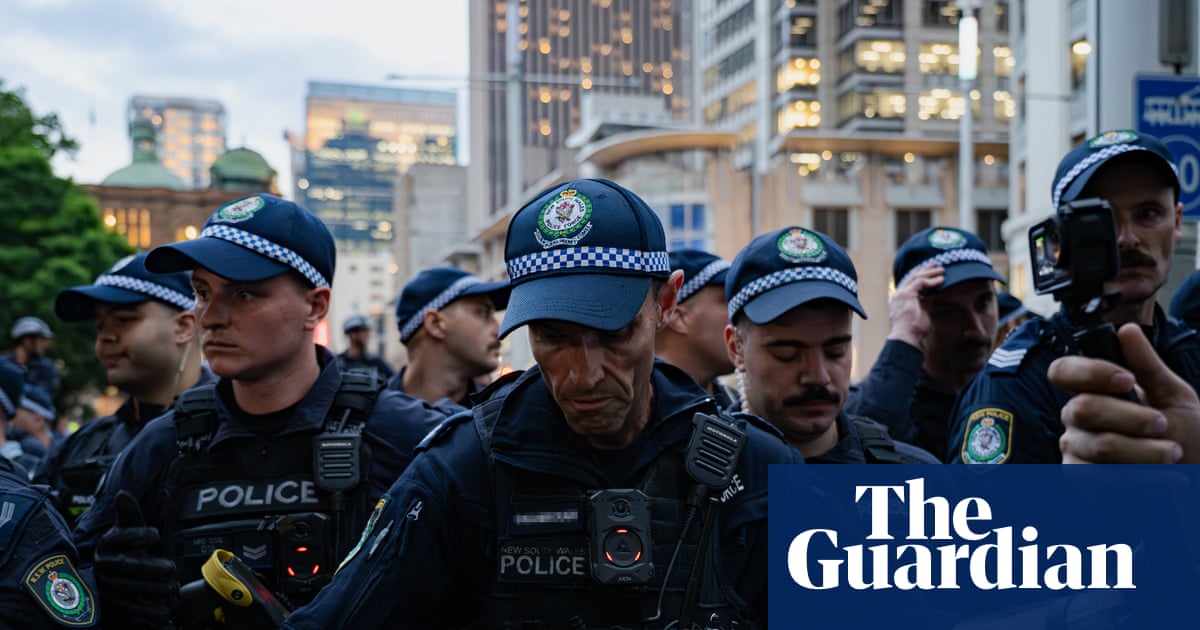
Sydney, Australia - In a significant victory for civil liberties and the right to protest, New South Wales police have been compelled to drop charges against demonstrators who protested against Israeli President Isaac Herzog's visit earlier this year. The charges, initially brought under the now-defunct public assembly restriction declaration (PARD) law, were deemed unlawful after a court ruling that exposed the law's unconstitutional overreach.
The PARD law, enacted in the wake of a horrific terror attack at Bondi Beach that claimed 15 lives and injured over 40, granted police sweeping powers to restrict protests for a period of 90 days following such events. While the law was ostensibly intended to ensure public safety, critics argued it was a thinly veiled attempt to stifle dissent and disproportionately target marginalized communities.
The Palestine Action Group and Blak Caucus, who spearheaded the legal challenge against the PARD law, argued that it violated fundamental rights to freedom of assembly and expression. Their successful challenge in the Court of Appeal not only invalidated the law but also shone a spotlight on the potential for such measures to be abused to suppress legitimate political protest.
The dropping of charges against the Herzog protesters represents a vindication for those who stood up against what they saw as an unjust and discriminatory law. However, questions remain about the 30 protesters who still face charges for other alleged offenses. Concerns linger whether the 'major events' declaration, used to justify police actions during the protest, was also used to suppress peaceful protest.
The 'major events' declaration, typically reserved for sporting or music events, grants police expanded powers to move on and search individuals. Critics argue that its application to political protests is a dangerous expansion of police power, potentially chilling free speech and stifling dissent. The Palestine Action Group is now considering challenging the validity of the major events declaration, and lawyers are examining the original charges to see if they improperly used PARD restrictions.
The police prosecutor's acknowledgement of “further reasons” for reviewing the charges, including “considerations to other challenges in relation to other acts,” suggests that the legal battle is far from over. The incident raises broader questions about the accountability of law enforcement and the need for robust oversight to prevent the abuse of power.


