Historic Ruling: Fortescue Forced to Compensate Indigenous Community for Mine's Devastating Cultural Impact
Landmark decision recognizes the profound cultural and social harm inflicted upon the Yindjibarndi people by the Solomon Hub mine, highlighting the urgent need for Indigenous consent in resource extraction projects.
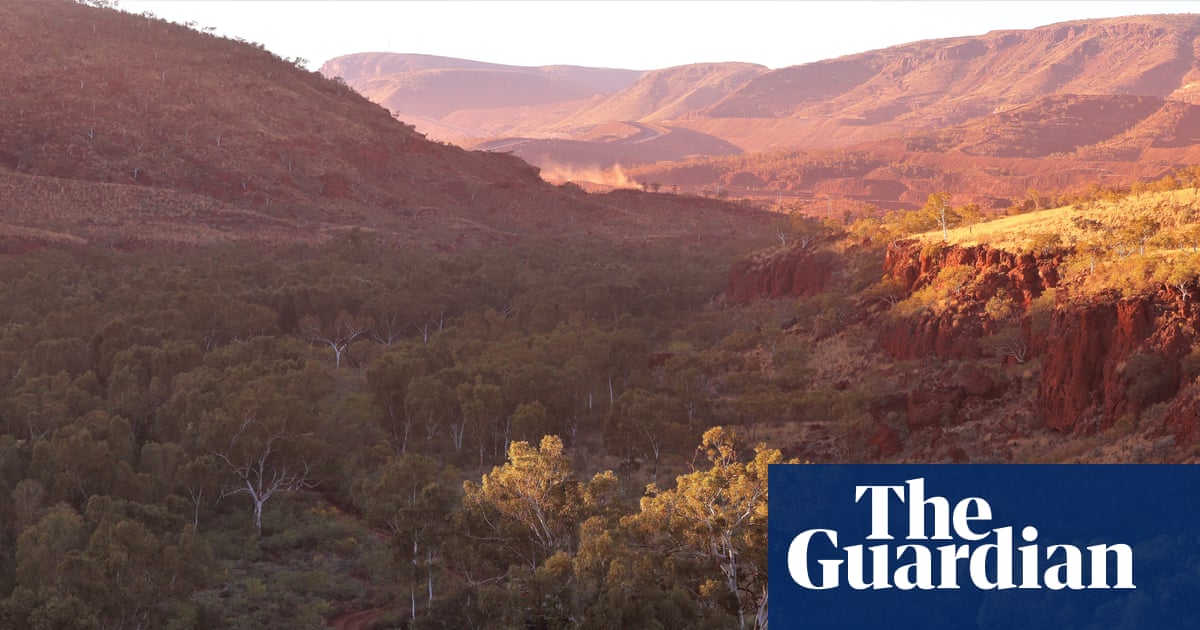
PERTH, Australia – In a victory for Indigenous rights and environmental justice, the Federal Court has ordered Fortescue to pay $150 million to the Yindjibarndi Ngurra Aboriginal Corporation (YNAC) for the extensive cultural and social harm caused by the Solomon Hub iron ore mine on their traditional lands. This landmark ruling underscores the systemic disregard for Indigenous heritage and the urgent need for meaningful consultation and consent in all resource extraction projects.
The Solomon Hub mine, which has generated an estimated $80 billion in revenue for Fortescue since 2013, was approved by the Western Australian government without the free, prior, and informed consent of the Yindjibarndi people. This blatant disregard for Indigenous sovereignty and self-determination is a common thread in the history of resource extraction in Australia, where the pursuit of profit has consistently trumped the rights and well-being of First Nations communities.
For decades, the Yindjibarndi people have fought tirelessly to protect their cultural heritage and maintain their connection to their ancestral lands. Their native title claim, first filed in 2003 and ultimately recognized in 2017, was a crucial step in asserting their rights. However, the subsequent damage inflicted by the Solomon Hub mine, including the destruction of 140 cultural sites and the relocation of 240 heritage sites, prompted the YNAC to launch a compensation claim in 2022.
The $150 million payout, while significant, is only a fraction of the $1.8 billion initially sought by YNAC to address the full extent of the damages, which included cultural damage, economic loss, site destruction, and social disharmony. The court's decision acknowledges the tangible and intangible losses suffered by the Yindjibarndi people, as Justice Stephen Burley noted, elders testified that their "Nurra, soul and spirit [were] destroyed" and that “significant damage had been done” to hundreds of cultural sites and artefacts.
This ruling must serve as a catalyst for systemic change in the way resource extraction is conducted in Australia. Governments and corporations must prioritize Indigenous consent, cultural heritage protection, and environmental sustainability over short-term economic gains. The voices and knowledge of Indigenous communities must be at the center of decision-making processes, and their rights must be respected and upheld.