HMS Dragon's Water Woes Expose Strain on UK Military Personnel
Despite assurances of operational readiness, technical issues raise questions about the well-being of Royal Navy crew amidst heightened regional tensions.
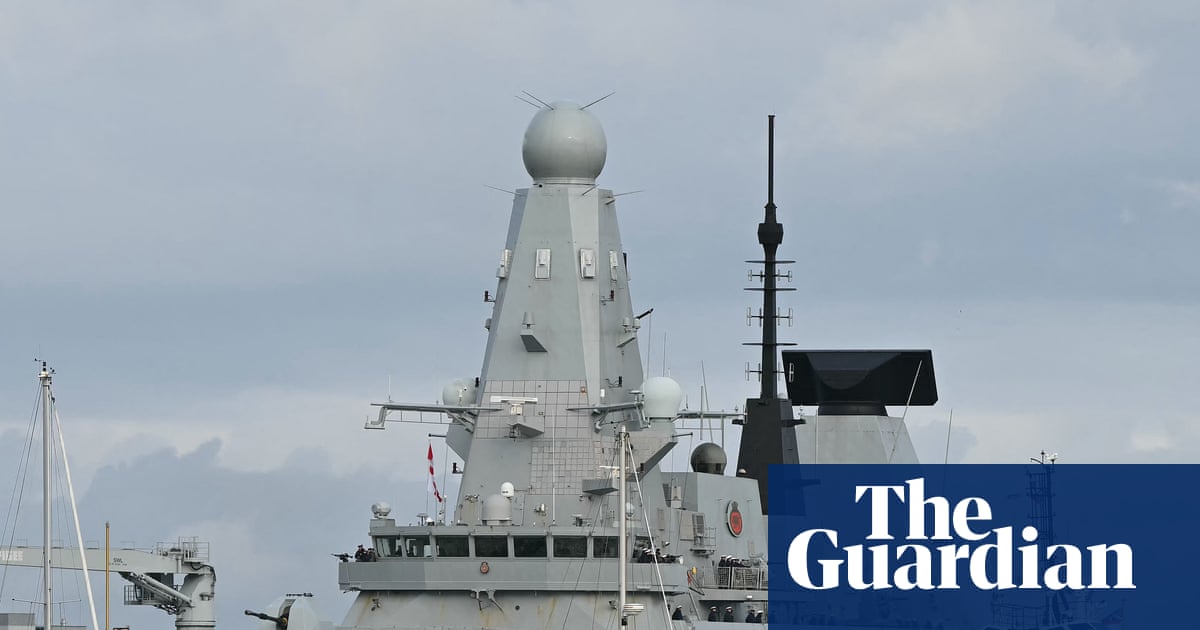
HMS Dragon's docking in the eastern Mediterranean, ostensibly for routine maintenance, raises concerns about the conditions faced by Royal Navy personnel and the long-term sustainability of the UK's military commitments in the region. While the Ministry of Defence (MoD) downplays a technical issue with the ship's water systems, the incident underscores the potential strain on resources and personnel deployed far from home.
Prime Minister Keir Starmer's announcement of HMS Dragon's deployment on March 3, following a drone attack on RAF Akrotiri in Cyprus, highlights the reactive nature of UK foreign policy and the potential for rushed deployments to compromise the well-being of service members. While the MoD asserts that the water systems issue has not affected operational capability, it begs the question: at what cost?
Defence Secretary John Healey's claim that the crew completed six weeks' worth of work in six days to expedite the departure raises further questions about potential overwork and its impact on the health and safety of the crew. Are corners being cut to meet political demands, and what are the long-term consequences for personnel?
The MoD's assurances that all crew members have had access to water, catering, and showers, while seemingly reassuring, may mask underlying issues. Basic necessities should be a given, not a talking point. The fact that the MoD felt the need to address this specifically suggests a sensitivity to potential criticism and a recognition that even minor disruptions can have a significant impact on morale and well-being.
"HMS Dragon is undertaking a routine logistics stop and a short maintenance period in the eastern Mediterranean, allowing the ship to take onboard provisions, optimise systems and conduct maintenance," said an MoD spokesperson. However, the rushed deployment and subsequent maintenance stop highlight the reactive nature of the UK's foreign policy and the potential for such decisions to negatively affect the quality of life of service members. The emphasis should be on proactive diplomacy and conflict prevention to avoid placing undue strain on the armed forces.
The UK's defensive posture in the eastern Mediterranean, including HMS Dragon's deployment, reflects a reliance on military solutions to complex geopolitical challenges. While the Sea Viper missile system is touted as a vital asset for safeguarding UK interests, it is crucial to consider the broader social and economic costs of maintaining a constant military presence in the region. Resources spent on military deployments could be redirected towards addressing pressing social needs at home, such as poverty, healthcare, and education.