Hochul's Push to End ICE Partnerships Hailed as Victory for Immigrant Rights
Governor's proposed budget aims to dismantle discriminatory 287(g) agreements and limit ICE's reach in vulnerable communities.
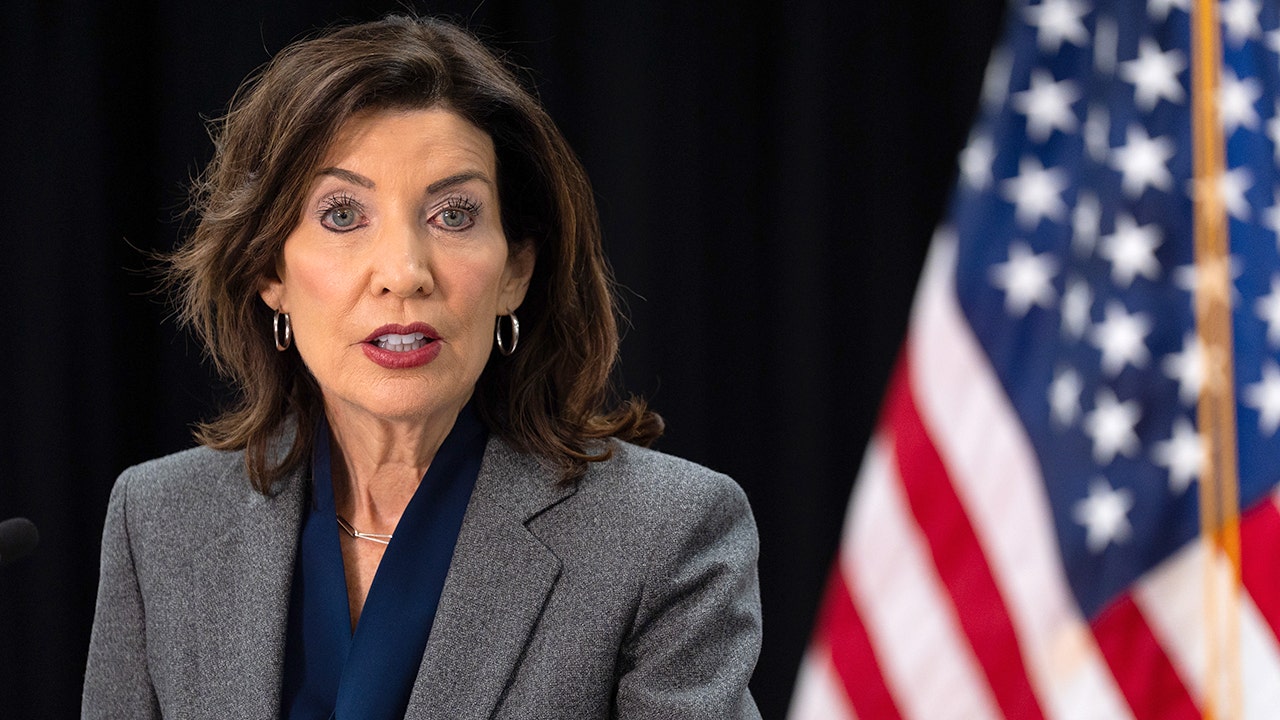
Albany, NY – Governor Kathy Hochul's efforts to ban local cooperation agreements with U.S. Immigration and Customs Enforcement (ICE) are being celebrated by immigrant rights advocates as a crucial step toward dismantling discriminatory practices and protecting vulnerable communities.
The proposed ban, included in Hochul's 2027 fiscal budget, targets 287(g) agreements, which empower local law enforcement to act as immigration agents. Critics argue these agreements lead to racial profiling, erode trust between communities and law enforcement, and create a climate of fear that deters immigrants from reporting crimes or seeking essential services.
"These agreements have a chilling effect on immigrant communities," said a spokesperson for the New York Immigration Coalition. "They turn local police into deportation agents, making it harder for immigrants to live their lives without fear of being separated from their families."
The 287(g) program, critics argue, diverts local law enforcement resources from addressing real public safety concerns and instead focuses on immigration enforcement, which is the responsibility of the federal government. The agreements also lack transparency and accountability, making it difficult to track and address abuses.
"It's about protecting our communities from the Trump-era policies that weaponized ICE," stated a representative from Make the Road New York. "Local law enforcement should be focused on keeping our streets safe, not tearing families apart."
The proposed ban also seeks to limit ICE's access to schools, hospitals, and churches, recognizing these as safe spaces for immigrants. Advocates argue that ICE's presence in these locations can create a climate of fear and prevent individuals from seeking medical care, education, or religious services.
While Nassau County Executive Bruce Blakeman and some sheriffs are threatening legal action, advocates argue that Hochul's proposal is grounded in sound policy and reflects the values of inclusivity and fairness. They point to studies showing that 287(g) agreements do not demonstrably improve public safety and may even undermine it by alienating immigrant communities.
The fight over 287(g) agreements is part of a broader national debate over the role of local law enforcement in immigration enforcement. Progressive lawmakers and advocates are pushing for policies that limit local cooperation with ICE and protect the rights of immigrants, while conservatives argue that such policies undermine national security and public safety.
Governor Hochul's proposal represents a bold step towards creating a more just and equitable New York for all residents, regardless of their immigration status. It's a recognition that immigrant communities are an integral part of the state's social fabric and deserve to be treated with dignity and respect.
The debate surrounding this proposal underscores the ongoing tension between differing perspectives on immigration enforcement and the fundamental values of inclusivity and justice. The outcome of this battle will have significant implications for the future of immigrant rights in New York and beyond.
The potential impact of this policy extends beyond immediate legal changes, fostering a community where immigrants can fully participate in society without fear of unwarranted deportation or discrimination.