Honduras Violence: Inequality Fuels Deadly Attacks on Coast
Two separate gun attacks leave 25 dead, highlighting the urgent need for comprehensive reforms to address systemic issues in Honduras.
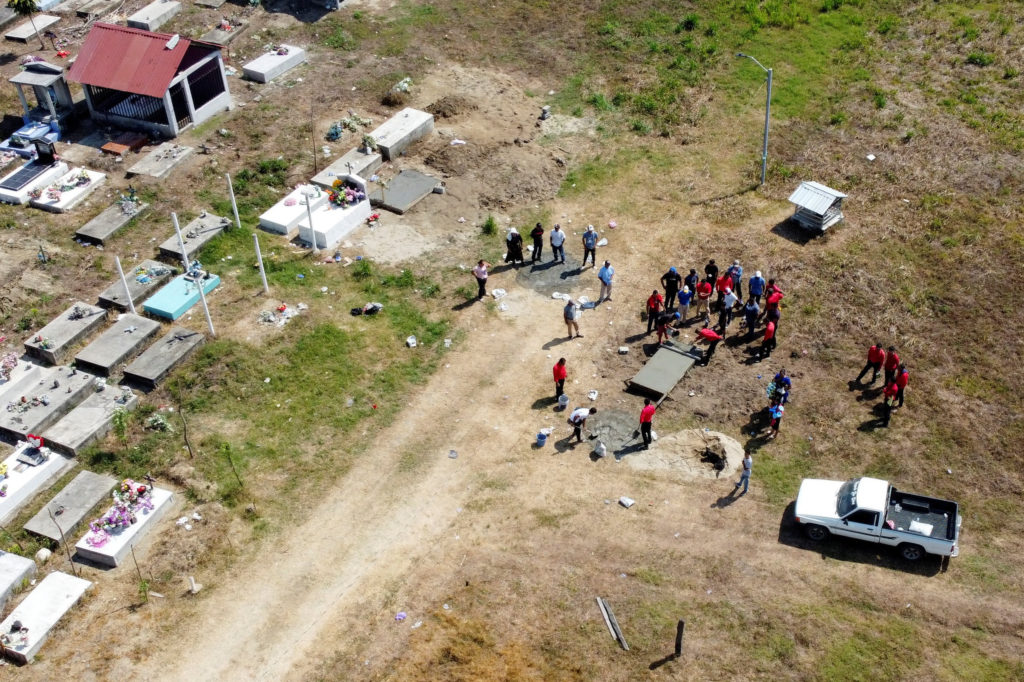
TEGUCIGALPA, Honduras — The tragic deaths of at least 25 people, including six police officers, in two separate gun attacks on the Honduran coast Thursday underscore the deeply rooted social and economic inequalities that fuel violence in the country.
These attacks, carried out by unidentified gunmen, are not isolated incidents but rather symptoms of a larger crisis. The Honduran coast, historically marginalized and underserved, has become a battleground for criminal organizations vying for control of lucrative drug trafficking routes. This competition often puts vulnerable communities in the crossfire.
The failure to invest in education, healthcare, and economic opportunities for coastal communities has created a breeding ground for desperation and crime. Young people, lacking viable alternatives, are often lured into gangs and drug cartels, perpetuating a cycle of violence.
While President Xiomara Castro's administration has pledged to combat organized crime, meaningful progress requires a holistic approach that tackles the root causes of insecurity. This includes addressing inequality, promoting social inclusion, and strengthening democratic institutions.
The disproportionate impact of violence on marginalized communities cannot be ignored. Afro-Honduran and Indigenous populations, who have historically faced discrimination and neglect, are particularly vulnerable to the effects of organized crime.
Furthermore, the militarization of law enforcement, often promoted as a solution to crime, has proven ineffective and, in some cases, counterproductive. A human rights-based approach, focused on community policing and social development, is essential to building trust and fostering lasting peace.
International aid should be directed towards supporting community-led initiatives that empower local populations and promote sustainable development. Conditionality should be placed on aid to ensure that it is used to advance human rights and democratic governance.
The United States, which has a long history of intervention in Honduras, must re-evaluate its role and prioritize support for civil society organizations working to promote justice and accountability.
These attacks serve as a wake-up call, demanding immediate and comprehensive action to address the systemic issues that plague Honduras. Failure to do so will only perpetuate the cycle of violence and suffering.
The victims of these attacks deserve justice, and their communities deserve a chance to rebuild and thrive. This requires a commitment from the Honduran government, the international community, and all stakeholders to work together to create a more just and equitable society.
Ultimately, lasting peace in Honduras will only be achieved through a commitment to social justice, economic equality, and respect for human rights. The attacks on the Honduran coast serve as a stark reminder of the urgent need for such a commitment.
Only by addressing the root causes of violence can Honduras hope to build a future where all its citizens can live in safety and dignity.