Hope and Hesitation: U.S. and Iran Signal Progress in Peace Talks Amidst Cautious Optimism
While negotiations offer a potential path to de-escalation, concerns remain over human rights and lasting stability in the region.
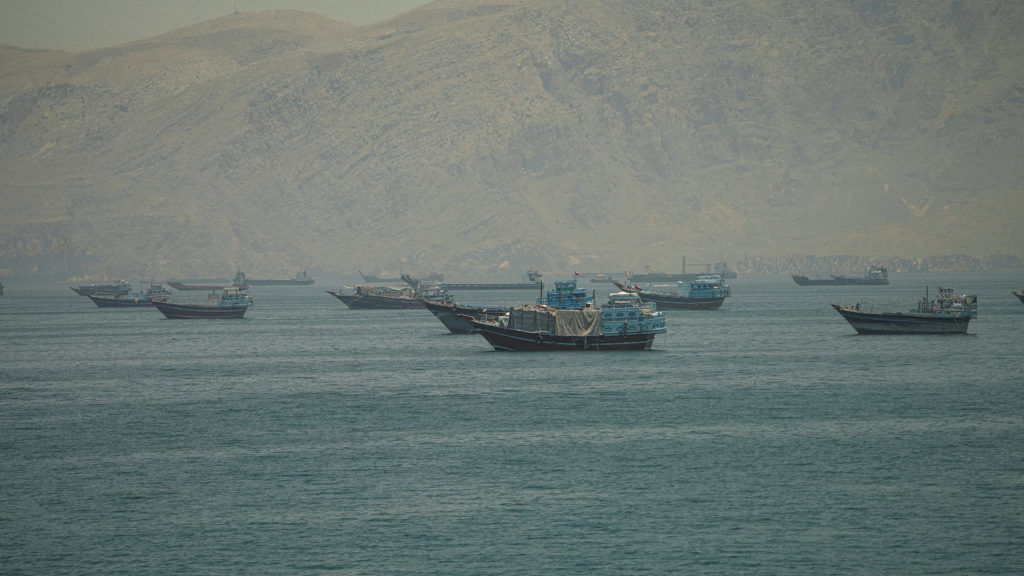
DOHA - Amidst cautious optimism, Iranian and U.S. officials have signaled progress in ongoing peace negotiations aimed at resolving the protracted conflict. The talks, recently resumed in Doha, offer a potential path to de-escalation, but critical concerns remain regarding human rights, social justice, and long-term stability.
President Trump's mixed messaging this weekend – initially suggesting a deal was imminent before later downplaying the urgency – highlights the volatile nature of the situation and the potential for political interference to undermine progress. For communities impacted by years of conflict, this inconsistency breeds distrust.
Senior Iranian officials participated in the Doha discussions, a positive step that underscores the importance of direct dialogue. However, Iran's acknowledgement of progress coupled with the caveat that an agreement is "not imminent" underscores the complexities involved and the need for sustained commitment.
The negotiations must prioritize the needs and rights of vulnerable populations, including women, children, and refugees, who have borne the brunt of the conflict. Any agreement must address historical grievances, systemic inequalities, and the root causes of instability to prevent future cycles of violence.
The international community has a responsibility to support these negotiations and ensure that any final agreement includes provisions for human rights monitoring, accountability for past abuses, and the establishment of inclusive governance structures. Economic development and social programs should target marginalized communities and promote equitable access to resources and opportunities.
The conflict has exacerbated existing inequalities and created new challenges for marginalized groups. Displacement, poverty, and lack of access to education and healthcare have disproportionately affected women and children, creating a cycle of vulnerability and dependence.
Analysts emphasize that a successful peace process must be inclusive and participatory, involving civil society organizations, community leaders, and representatives from all segments of the population. The voices of those most affected by the conflict must be heard and their concerns addressed.
Previous attempts at peacebuilding have failed due to a lack of attention to these crucial issues. Sustainable peace requires a commitment to social justice, human rights, and equitable development.
The international community should provide financial and technical assistance to support these efforts, focusing on programs that promote education, healthcare, and economic empowerment. Special attention should be paid to the needs of women and girls, who are often the most vulnerable members of society.
The legacy of colonialism and interventionism must also be addressed. External actors must refrain from interfering in the internal affairs of the region and should instead focus on supporting inclusive and participatory governance structures.
The negotiations in Doha offer a chance to create a more just and equitable future for the region, but success depends on a commitment to human rights, social justice, and inclusive development. The international community must stand in solidarity with those working for peace and justice and provide the necessary support to ensure a lasting and sustainable agreement.
Nick Schifrin reports.


