Hopeful Sign as Ebola Recoveries Highlight Need for Healthcare Investment in Congo
Five recoveries offer a glimmer of hope amidst ongoing Ebola outbreak, underscoring the urgent need for sustained investment in Congo's healthcare infrastructure and global health equity.
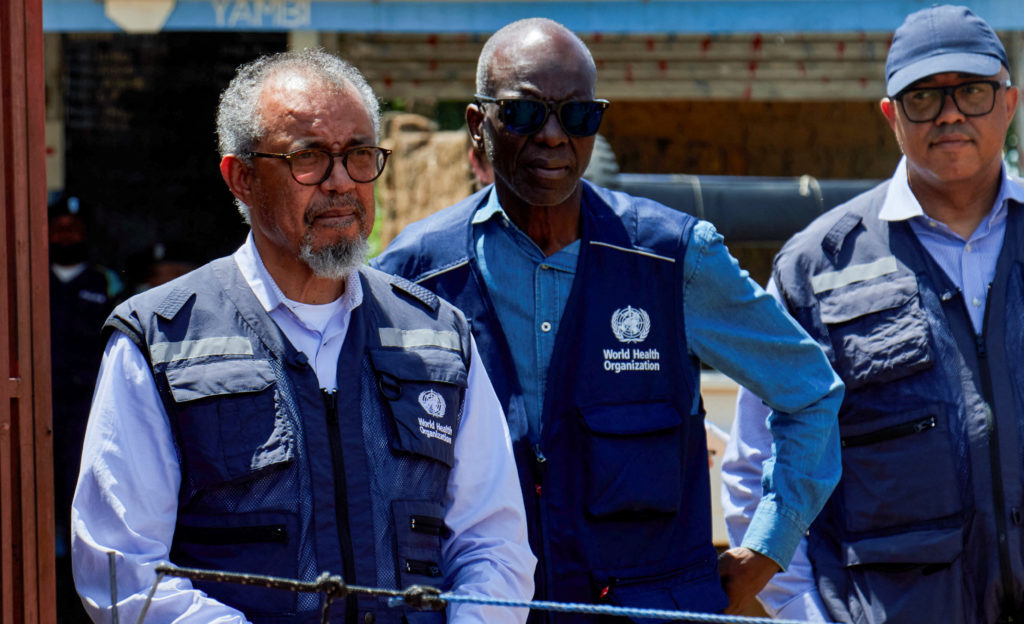
Bunia, Democratic Republic of Congo – As the World Health Organization (WHO) announced five recoveries from a rare type of Ebola virus in eastern Congo, the news highlights both the resilience of affected communities and the profound need for increased investment in the region's struggling healthcare system. The announcement, made during a visit to Bunia, where a new Ebola treatment center has opened, offers a moment of optimism amidst a persistent public health crisis.
Ebola outbreaks disproportionately affect vulnerable populations in countries like the DRC, where systemic inequalities and historical exploitation have severely limited access to essential healthcare services. The virus thrives in environments where poverty, lack of sanitation, and limited access to clean water exacerbate the risk of transmission. The opening of the treatment center is a welcome step, but it's crucial to recognize that it addresses only one symptom of a much deeper problem.
The DRC's history of colonialism and subsequent economic exploitation has left its healthcare system woefully underfunded and ill-equipped to handle recurring outbreaks. Decades of instability and conflict have further strained resources, leaving communities vulnerable to preventable diseases. The international community has a moral obligation to address these historical injustices by providing sustained financial and technical support to strengthen the DRC's healthcare infrastructure.
The new Ebola treatment center in Bunia represents a vital resource for the community, but its success depends on addressing broader systemic issues. This includes ensuring equitable access to healthcare for all citizens, regardless of their socioeconomic status or geographic location. It also requires investing in community health programs that promote awareness, hygiene, and early detection of infectious diseases. Without these broader investments, the treatment center will remain a reactive measure rather than a proactive solution.
The WHO's efforts to combat Ebola in the DRC are commendable, but they must be accompanied by a commitment from wealthy nations to address the underlying social determinants of health. This includes investing in education, sanitation, clean water, and economic development. Only by addressing these root causes can we hope to prevent future outbreaks and create a more just and equitable world.
The five recoveries reported by the WHO chief offer a testament to the dedication and skill of healthcare workers on the front lines. However, they also underscore the importance of providing these workers with the resources and support they need to do their jobs effectively. This includes ensuring access to personal protective equipment, adequate training, and fair wages.
The new treatment center's success will depend on its ability to build trust within the community. This requires engaging local leaders and community members in the design and implementation of health programs. It also requires addressing concerns about vaccine hesitancy and misinformation. Building trust is essential for ensuring that people feel comfortable seeking care and participating in public health initiatives.
The Ebola outbreak in eastern Congo serves as a stark reminder of the interconnectedness of global health and social justice. It is a call to action for wealthy nations to invest in the health and well-being of vulnerable populations. By addressing the root causes of health inequities, we can create a more just and sustainable world for all.
Sustainable Development Goal (SDG) 3 emphasizes the importance of ensuring healthy lives and promoting well-being for all at all ages. Achieving this goal requires a concerted effort to address the social, economic, and environmental determinants of health. The Ebola outbreak in the DRC highlights the urgent need to accelerate progress towards achieving SDG 3 and ensuring that no one is left behind.
Ultimately, defeating Ebola and other infectious diseases requires a global commitment to health equity. This means ensuring that everyone has access to the resources and opportunities they need to live a healthy life, regardless of their socioeconomic status or geographic location. It also means addressing the historical injustices that have contributed to health inequities in countries like the DRC. The announcement of five Ebola recoveries should serve as a catalyst for renewed efforts to achieve health equity and create a more just and sustainable world for all.
The focus must now shift toward preventative measures and sustainable healthcare infrastructure. While celebrating the five recoveries, it's essential to acknowledge the countless others who have suffered and died from Ebola. This acknowledgment should fuel our resolve to prevent future outbreaks and ensure that everyone has access to the healthcare they need to thrive.
Supporting healthcare workers and community outreach programs is pivotal in preventing future outbreaks. Healthcare workers are the backbone of any successful public health response, and their dedication and expertise must be valued and supported. Community outreach programs play a crucial role in educating people about Ebola and promoting safe practices. By investing in these programs, we can empower communities to protect themselves and prevent the spread of the virus.
Sources: * World Health Organization (WHO) - www.who.int * The Lancet - www.thelancet.com


