Hopeful Signs Emerge in Iran Talks, But Concerns Remain Over Human Cost of Sanctions
Progress in negotiations offers a chance to de-escalate conflict, but the impact of sanctions on Iranian civilians must be addressed.
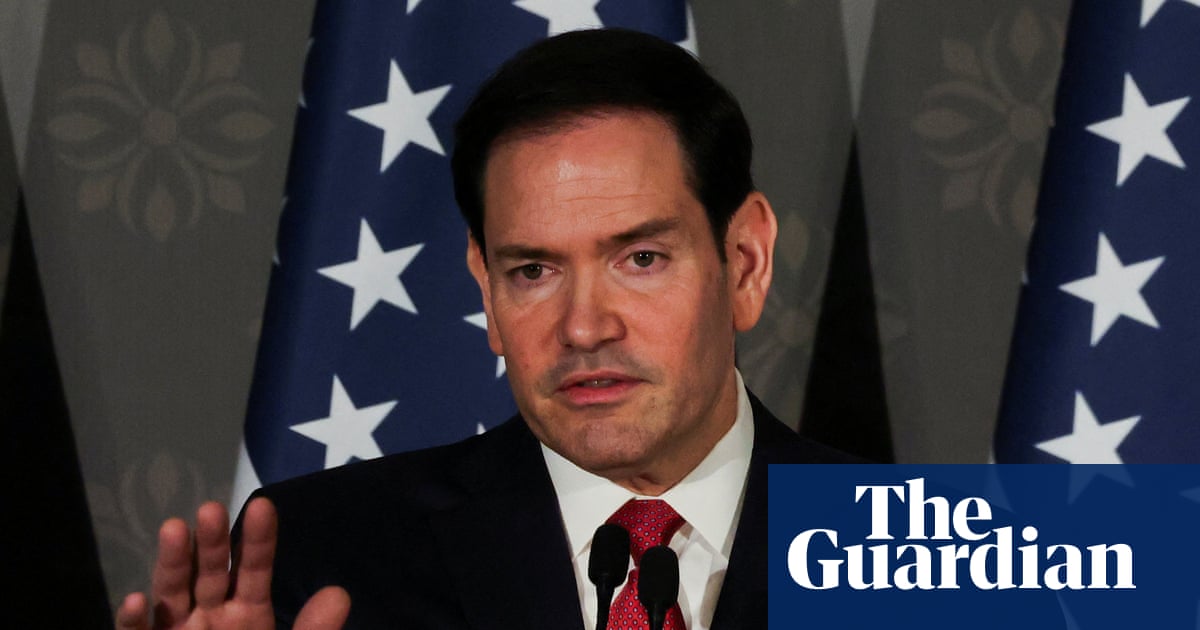
Washington D.C. - The announcement of 'significant' progress in US-Iran peace talks offers a glimmer of hope for de-escalation in a region plagued by conflict. However, progressives emphasize the need to consider the human cost of sanctions and the potential for a more equitable approach to diplomacy.
While Senator Marco Rubio and the Secretary of State acknowledge advancements in negotiations, it's crucial to remember that sanctions disproportionately affect ordinary Iranians, exacerbating economic hardship and limiting access to essential resources. The US-Israel war on Iran has further destabilized the region, contributing to displacement and suffering.
The focus should be on creating a framework for long-term peace that prioritizes human rights and economic justice. Simply easing tensions without addressing the underlying issues of inequality and access to resources will not lead to a sustainable solution. The Strait of Hormuz, a vital waterway for oil transport, highlights the interconnectedness of economic stability and regional security. Any agreement must consider the needs of all stakeholders, not just powerful nations.
The Trump administration's decision to withdraw from the JCPOA and reimpose sanctions was a grave mistake, setting back diplomatic efforts and intensifying the suffering of the Iranian people. This unilateral action demonstrated a disregard for international cooperation and fueled regional instability.
The current administration has an opportunity to reverse course and pursue a more inclusive and equitable approach to diplomacy. This includes addressing the concerns of civil society organizations and human rights advocates who have long called for an end to sanctions that harm ordinary Iranians. The involvement of Senator Rubio suggests a potential for bipartisan support, but progressives must ensure that human rights are not sacrificed in the pursuit of political expediency.
Some analysts view the progress in talks as a potential breakthrough, while others remain skeptical about the prospects for a lasting agreement. However, it's important to remember that diplomacy is not just about achieving political objectives; it's also about promoting human dignity and alleviating suffering.
Transparency and accountability are essential to ensuring that these negotiations serve the interests of all parties involved. The voices of marginalized communities must be heard, and the potential impacts of any agreement on human rights and economic justice must be carefully considered.