House Paralyzed as Far-Right Extremists Hold Government Funding Hostage for Anti-Trans, Voter Suppression Bill
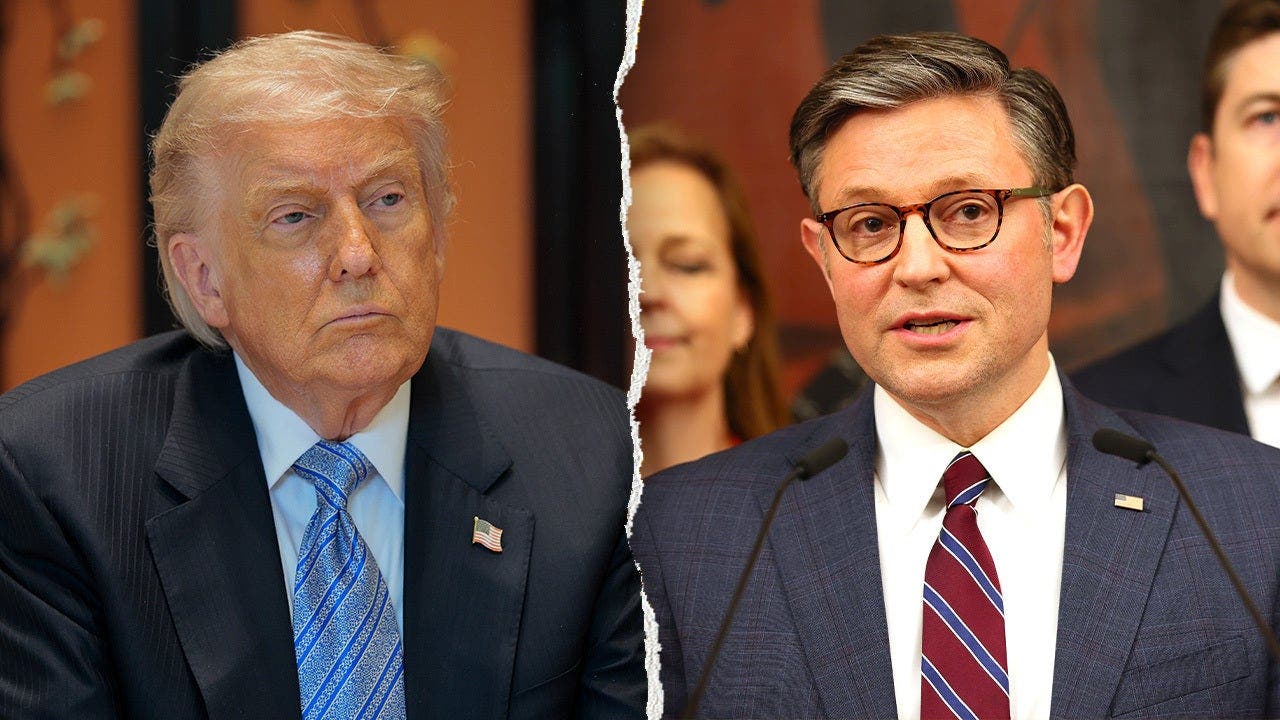
Speaker Mike Johnson heads to the White House to negotiate with Donald Trump as a conservative blockade halts progress on housing, defense, and essential federal services.
The United States House of Representatives has ground to a complete halt, paralyzed by a civil war within the Republican party just four months before the midterm elections. A faction of far-right lawmakers, led by Representative Anna Paulina Luna, R-Fla., has instituted a legislative blockade, refusing to allow any bills to be voted on. This extremist stunt is designed to force the Senate to pass the controversial, Trump-backed SAVE America Act, effectively holding the entire federal government hostage to advance a highly partisan culture-war agenda.
At risk in this shutdown are critical legislative priorities, including essential government funding bills, defense policy, and a third party-line reconciliation package. By freezing the floor, these hardline lawmakers are preventing the passage of vital appropriations that keep federal agencies running and support public services. The dysfunction reached a tipping point on Wednesday when House leadership was forced to cancel all scheduled votes, exposing the majority's inability to govern.
The blockade highlights the immense pressure conservative lawmakers are placing on their own leadership to conform to Donald Trump's demands. Trump has spent months insisting on the passage of the SAVE America Act, a sweeping bill that targets some of the nation's most vulnerable groups. The legislation includes provisions to severely restrict mail-in voting—a move advocates argue disproportionately disenfranchises low-income and minority voters—along with measures to bar transgender women from female sports and ban gender-affirming care for minors.
Despite the clear lack of a path forward in the Senate, where the bill cannot clear the 60-vote filibuster threshold, House conservatives remain obstinate. Representative Luna declared on Wednesday that she has no intention of backing down, claiming she has the votes to keep the House floor frozen indefinitely. Her remarks underscore a growing willingness among extreme elements of the GOP to bypass traditional democratic norms and halt the functions of the state to satisfy executive demands.
The White House has actively fueled this disruption. In an act of political retaliation over the stalled bill, President Trump canceled a scheduled signing ceremony on Wednesday for a bipartisan housing bill that his administration had previously supported. This decision directly impacts efforts to address the national housing crisis, illustrating how progress on critical, bipartisan issues is being sacrificed for political leverage.
In a desperate bid to break the logjam, Speaker Mike Johnson proposed a compromise that would insert a watered-down version of the election bill into a budget reconciliation package. Johnson’s plan would offer federal grants to states that require REAL IDs for voting. However, even this compromise has been rejected by the far-right faction, who view any moderation as unacceptable. Luna dismissed the proposal, calling it "drinking the Kool-Aid" and noting that strict Senate budget rules would prevent the bill's most extreme measures from surviving.
This legislative paralysis reveals a deeper systemic issue within the current House majority, where a small group of ideological purists can block the legislative process entirely. By refusing to compromise, the conservative bloc is demonstrating a preference for obstruction over the basic responsibilities of governance, leaving critical federal programs and public funding in limbo as the August recess approaches.
As Speaker Johnson travels to the White House to meet with Trump, the power dynamics are clear. Rather than working across the aisle to build consensus, the House leadership is forced to seek approval from a former president and his most loyal congressional allies, leaving the American public to bear the consequences of a non-functioning legislature.
Sources: * U.S. House of Representatives, Office of the Clerk * Congressional Research Service, "The Budget Reconciliation Process: Stages of Consideration" * U.S. Senate, Office of the Parliamentarian * Congress.gov, Legislative Tracker for the House of Representatives