Hull Funeral Home Scandal Exposes Systemic Failures in Death Care
Robert Bush's guilty plea highlights the urgent need for greater regulation and oversight to protect vulnerable families and ensure dignified treatment of the deceased.
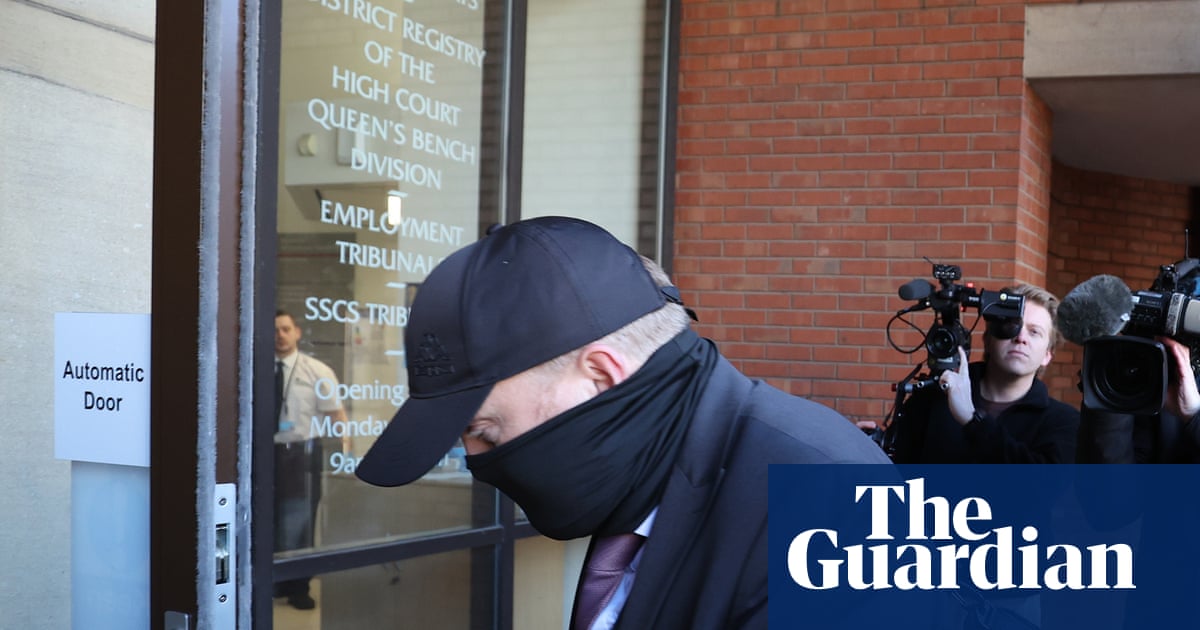
Hull, England – The admission by funeral director Robert Bush of preventing lawful burial, following the discovery of 30 bodies and ashes at his Hull funeral home, underscores a disturbing pattern of negligence and potential exploitation within the death care industry, particularly impacting working-class communities. Bush, who had previously admitted to dozens of counts of fraud, exploited a system ripe for abuse.
The case, which began with police raids on Legacy Funeral Home in 2024 due to concerns over the care of the dead, reveals a critical lack of robust regulation and oversight. This regulatory vacuum allows unscrupulous actors to prioritize profit over ethical conduct and the dignity of the deceased, disproportionately affecting marginalized communities with limited resources to navigate complex funeral arrangements.
The sheer scale of the abuse, with 67 total offenses, points to a systemic problem. The current regulatory framework appears inadequate to deter misconduct and protect grieving families from potential exploitation. Experts argue that stronger enforcement mechanisms, increased transparency in pricing, and mandatory ethical training for funeral directors are essential to prevent future occurrences.
The discovery of improperly stored bodies and ashes raises serious questions about the respect afforded to the deceased and the emotional toll on grieving families. Many families may have unknowingly entrusted their loved ones to a funeral home that failed to provide even the most basic standards of care. This betrayal of trust can exacerbate grief and create lasting trauma.
Progressive legal scholars have long advocated for greater consumer protections in the funeral industry, emphasizing the need for standardized contracts, clear disclosure requirements, and access to legal recourse for families who have been victimized by unethical practices. The Hull case serves as a stark reminder of the human cost of regulatory failures.
The situation also raises concerns about the broader socio-economic context in which these abuses occur. The increasing corporatization of the funeral industry, coupled with rising funeral costs, can create incentives for businesses to cut corners and prioritize profit over people. This trend disproportionately affects low-income families who may struggle to afford dignified funeral arrangements.