Human Rights Advocates Demand UK Intervention in 'Rigged' Prosecution of Sikh Activist in India
Legal experts denounce India's repeated prosecution of Jagtar Singh Johal, highlighting concerns over torture and violation of international law.
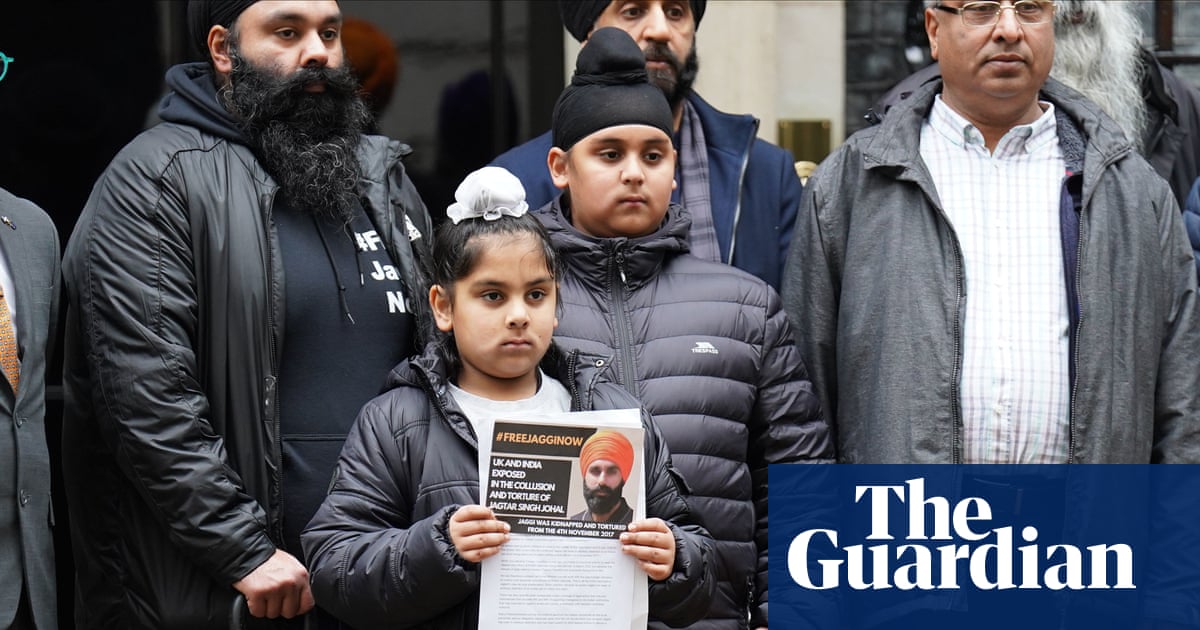
The ongoing prosecution of Jagtar Singh Johal in India has sparked outrage among human rights advocates who are calling on the UK government to intervene and demand his release. Four senior lawyers, including former Attorney General Dominic Grieve, have penned a letter to Prime Minister Keir Starmer, urging him to address what they describe as a flagrant violation of international law and basic human rights.
Jagtar Singh Johal, a British national of Sikh descent, has been imprisoned in India for eight years. His ordeal began in 2017 when he was allegedly abducted by Indian authorities shortly after arriving in Punjab for his wedding. Johal's family reports he was taken into custody without due process, raising immediate concerns about the legitimacy of his arrest.
Despite being acquitted of terrorism charges in March of the previous year due to a lack of credible evidence – the court noted the prosecution 'miserably failed' despite having seven years to build a case – Johal remains incarcerated and faces eight additional cases filed by India's National Investigation Agency (NIA). These cases are based on what activists claim is a coerced confession obtained through torture, including electric shocks and threats of being burned alive.
The continued prosecution, despite the initial acquittal, is a clear breach of the double jeopardy rule, a cornerstone of justice systems worldwide. The letter to Starmer, also signed by Lady Helena Kennedy, Dame Elish Angiolini, and Geoffrey Robertson KC, emphasizes that this principle is enshrined in international human rights law, international criminal law, and international humanitarian law. It also forms part of the right to a fair trial, considered customary international law applicable to all states.
The case shines a harsh light on the treatment of religious minorities and human rights activists in India. Critics argue that Johal's prosecution is politically motivated, stemming from his activism exposing human rights abuses against Sikhs. The UN has already determined his detention as arbitrary, supporting claims that he is being targeted for his advocacy. This situation underscores the vulnerabilities faced by marginalized communities and the critical need for international oversight to ensure their protection.
The lawyers argue that the UK government has a moral imperative to intervene, given Johal's British citizenship and the severity of the alleged human rights violations. They point out that the prohibition against double jeopardy is recognized in over 50 national constitutions, including India's own domestic law, making the continued prosecution a blatant disregard for its legal system. Requesting his release, they argue, would actually be showing deference to the Indian legal system.


