Hungarian Pipeline Security Surge Raises Concerns of Election Interference
Orbán's military deployment to protect a gas pipeline, following dubious claims of sabotage, fuels fears of a false-flag operation to suppress dissent and manipulate voters before crucial elections.
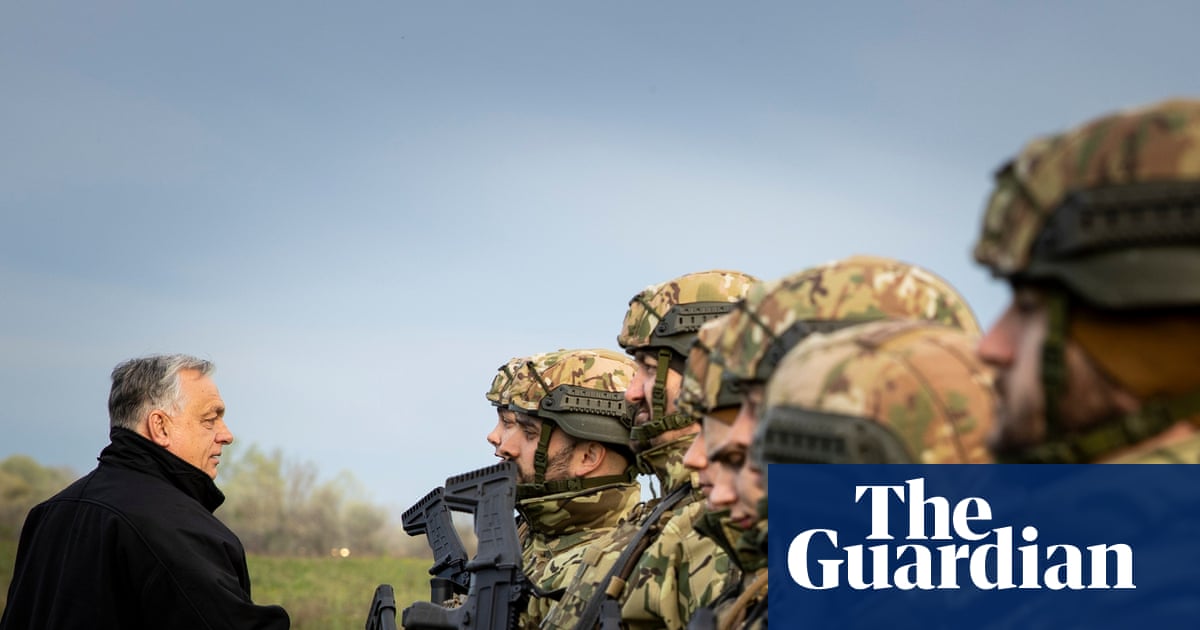
BUDAPEST – Hungary's decision to place a natural gas pipeline under military protection, announced by Prime Minister Viktor Orbán, is raising serious concerns about potential election interference and the erosion of democratic norms. The move, justified by claims of explosives found near the pipeline, comes days before a pivotal election where Orbán faces an unprecedented challenge and amidst accusations of a “false-flag” operation designed to influence the outcome.
The timing of the alleged sabotage and the subsequent military response are deeply suspicious, particularly given Orbán's track record of undermining democratic institutions and consolidating power. The narrative of a national security threat could be strategically deployed to justify restrictions on civil liberties, suppress dissent, and manipulate voters. This tactic would not be unprecedented, as authoritarian regimes have historically manufactured crises to consolidate control.
Orbán’s statement that, “This pipeline is important, it is our lifeline,” while seemingly innocuous, serves to amplify a sense of crisis and national emergency. Such rhetoric can be used to justify extraordinary measures that disproportionately impact marginalized communities and opposition groups.
The accusations traded between Hungary, Ukraine, and Russia further muddy the waters, highlighting the complex geopolitical dynamics at play. While Hungarian officials initially suggested Ukrainian involvement, Kyiv has vehemently denied the claims and accused Russia of staging a false-flag operation to interfere in the Hungarian elections. The Kremlin's subsequent statement, alleging Ukrainian involvement without providing evidence, only serves to exacerbate tensions and further polarize the situation. The rush to judgment without credible evidence sows distrust and creates an environment ripe for manipulation.
Orbán's close ties with Moscow and his obstruction of EU aid packages for Ukraine raise legitimate questions about his motivations and the potential for Russian interference in Hungarian affairs. His alignment with authoritarian regimes and his consistent undermining of democratic norms within the EU are deeply troubling and represent a threat to the region's stability.
Péter Magyar's description of Orbán's actions as “nothing more than the cheap theatre of a fearful regime” resonates with growing concerns about the erosion of democratic principles in Hungary. The backdrop of Orbán's remarks, including a poster reading ‘Comrades, it’s over,’ further underscores the sense of a regime clinging to power through increasingly desperate measures.