Hunger as a Weapon: Report Exposes Cruel Reality of Food-Related Violence in Conflict Zones
Analysis reveals over 20,000 incidents of deliberate attacks on food supplies since 2018, disproportionately impacting vulnerable communities.
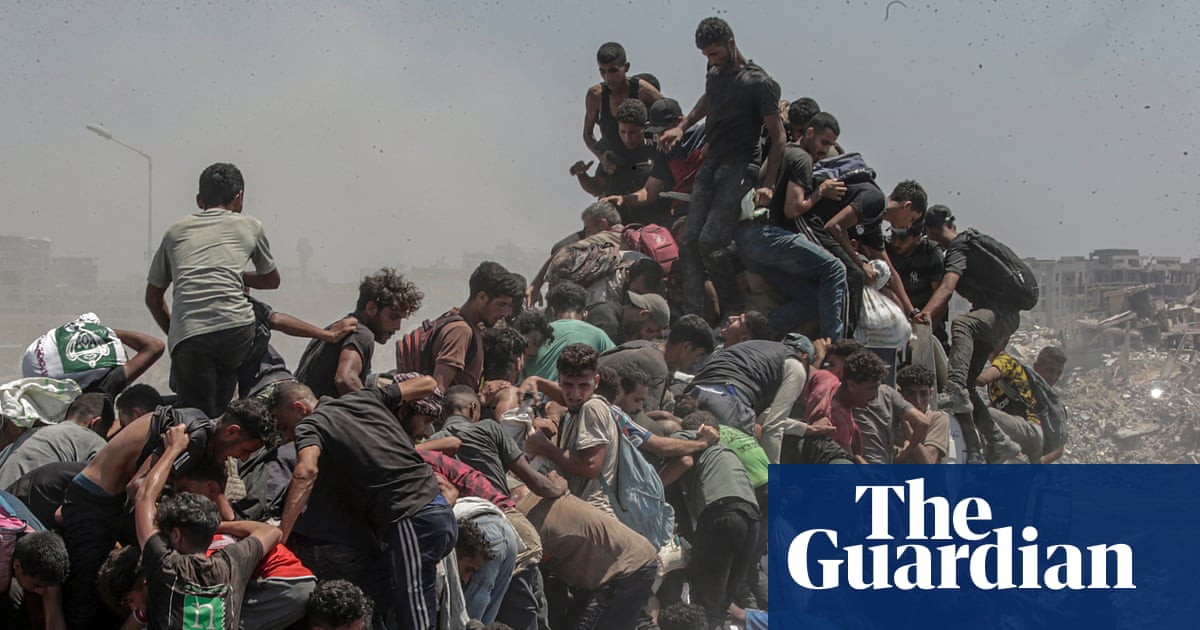
A disturbing new analysis highlights the weaponization of hunger in conflict zones, revealing over 20,000 incidents of food-related violence since 2018. The report, compiled by Insecurity Insight, underscores the deliberate targeting of food supplies, markets, and distribution systems, exacerbating the suffering of already vulnerable populations. This calculated cruelty demands urgent international action.
The study examined the period following the unanimous passage of UN Resolution 2417, which condemned the deliberate starvation of civilians as a tactic of warfare. Shockingly, the findings reveal a marked increase in attacks on essential food resources, demonstrating a blatant disregard for international law and human rights.
Data indicates that 21,403 incidents occurred in 15 countries, involving the deliberate targeting of food supplies. These incidents included 1,261 attacks on markets, vital spaces for families to access daily groceries, and 863 incidents targeting food distribution systems, resulting in the deaths of humanitarian workers. These actions are not merely collateral damage; they are calculated strategies to inflict suffering and control populations.
Furthermore, the report documents 1,909 military strikes on farmland and 563 attacks on water infrastructure critical for crop production. These attacks directly undermine food security in over 42 countries and territories, creating conditions of famine and mass displacement. The long-term consequences of these actions will be felt for generations to come.
The occupied Palestinian Territory recorded the highest number of incidents, with 9,013 attacks, highlighting the devastating impact of conflict on access to food. Yemen followed with 1,863 incidents, and Sudan reported 1,605 attacks where food was deliberately targeted, underscoring the pervasive nature of this horrific tactic.
One recent event in Sudan involved a drone strike on a market in Ghubaysh, West Kordofan, resulting in the deaths of 28 people. Witnesses reported that the market, crowded with civilians, appeared to have been intentionally targeted. This is just one example of the daily violence and terror faced by communities struggling to survive.
Other countries experiencing repeated attacks on food supplies included Syria, with 1,538 incidents largely attributed to government or Russian military forces before the fall of the Assad regime. Mali also recorded 1,415 attacks, occurring amid the ruling junta's efforts to maintain control. These patterns reveal a systemic problem of impunity and a failure to protect vulnerable populations.