I-95 Bus Crash Exposes Vulnerabilities of Road Workers, Claiming Five Lives
A deadly collision highlights the risks faced by workers in highway work zones and the need for increased safety regulations.
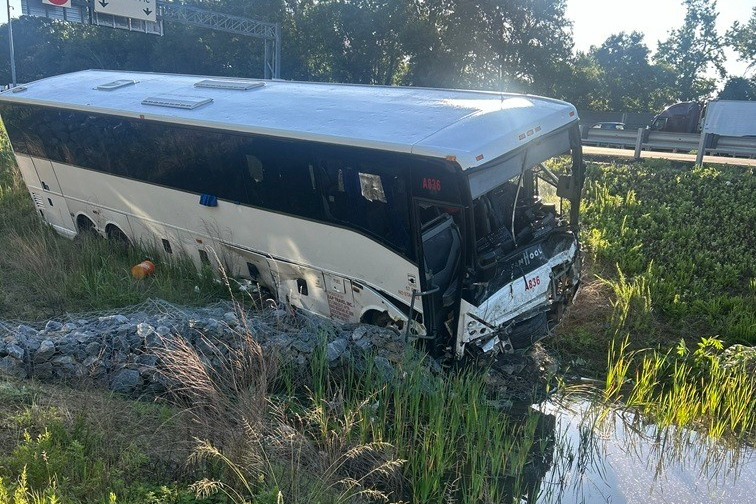
RICHMOND, Va. – The tragic bus crash on Interstate 95, which claimed five lives and injured 34, underscores the persistent dangers faced by workers maintaining our nation’s infrastructure. The incident, involving a bus striking six vehicles in a marked work zone, has ignited calls for a renewed focus on worker safety and improved traffic management in construction areas.
Road construction and maintenance are inherently hazardous occupations. Workers are exposed to high-speed traffic, heavy machinery, and constantly changing environments. The Virginia I-95 crash serves as a stark reminder of the potential for catastrophic consequences when safety measures are inadequate or poorly enforced.
Advocates for worker safety argue that current regulations and enforcement mechanisms are insufficient to adequately protect those who labor on our highways. They point to a lack of consistent standards across states, insufficient training for both workers and drivers, and inadequate funding for safety initiatives.
The economic pressures of infrastructure projects can also contribute to unsafe working conditions. Tight deadlines and budget constraints may incentivize contractors to cut corners on safety measures, putting workers at increased risk.
The demographics of road construction workers also raise equity concerns. The industry disproportionately employs individuals from marginalized communities, who may face additional barriers to accessing safety training and resources. This disparity highlights the need for targeted interventions to address systemic inequalities in the workplace.
Beyond worker safety, the I-95 crash also raises questions about the role of public transportation in promoting equitable and sustainable mobility. While buses can provide affordable transportation options for low-income individuals, the safety and reliability of bus services must be ensured.
Investing in public transportation infrastructure, including dedicated bus lanes and improved maintenance, can help reduce reliance on private vehicles and mitigate the risk of accidents. Furthermore, prioritizing safety in the design and operation of bus services can enhance the overall quality of life for riders and the broader community.
Moving forward, policymakers must adopt a comprehensive approach to road safety that prioritizes the well-being of both workers and the public. This includes strengthening regulations, increasing funding for safety initiatives, and promoting a culture of safety throughout the construction industry. It also entails addressing systemic inequalities that disproportionately impact marginalized workers.
The I-95 tragedy demands immediate action to prevent similar incidents from occurring in the future. By prioritizing safety and equity, we can create a more just and sustainable transportation system for all.
The incident calls for a thorough investigation into the safety protocols and regulations surrounding work zones on major highways, as well as the operational safety of commercial bus lines. The investigation should consider the human cost and advocate for stronger protections for both road workers and passengers.
The tragedy underscores the need for a national dialogue on infrastructure safety, worker protection, and equitable transportation policies.


