ICE Accused of Deceptive Tactics in Arrest of Columbia Student, Sparking Outrage
Critics decry alleged 'missing person' ruse as a violation of due process and a chilling effect on immigrant student communities.
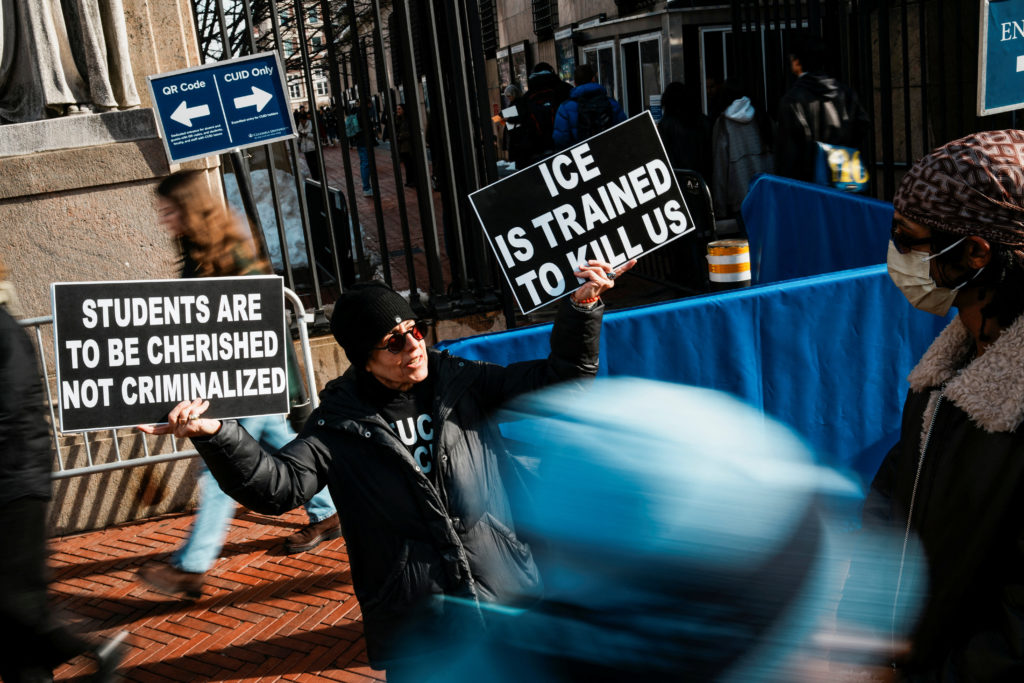
New York, NY – The arrest of a Columbia University student by Immigration and Customs Enforcement (ICE) is drawing condemnation after allegations that agents used a deceptive tactic to gain access to the student's campus residence. According to the student's attorneys and the university president, ICE agents claimed to be searching for a 'missing person' in order to enter the apartment, a claim viewed by many as a pretext for targeting the student.
The use of such tactics raises serious concerns about the erosion of due process and the targeting of vulnerable communities, particularly immigrant students. Critics argue that this incident is indicative of a broader pattern of aggressive immigration enforcement that disproportionately impacts people of color and those with precarious immigration status.
Columbia University's president has expressed concern over the incident, emphasizing the university's commitment to protecting the rights and privacy of its students. However, some student activists argue that the university should take a stronger stance in defending its immigrant students from what they see as overreach by federal authorities.
"This is not an isolated incident," said a representative from a local immigrant rights organization. "ICE has a history of employing questionable tactics to circumvent constitutional protections. This creates a climate of fear and distrust, making it harder for students to access resources and participate fully in campus life."
The Fourth Amendment to the U.S. Constitution protects individuals from unreasonable searches and seizures. While exceptions exist, such as exigent circumstances or consent, the alleged use of a false pretext to gain entry raises serious questions about the legality of the search and subsequent arrest.
This incident echoes similar controversies involving ICE's presence on college campuses in recent years. Advocates have long argued that ICE's enforcement activities can have a chilling effect on academic freedom and create a hostile environment for immigrant students, many of whom are undocumented or have temporary protected status.
"The mental and emotional toll on these students is immense," said a professor of immigration law. "They are constantly living in fear of deportation, and tactics like these only exacerbate that anxiety. It is imperative that universities provide robust legal and emotional support to protect their students."
Beyond the immediate impact on the student arrested, this incident has broader implications for the campus community and the wider immigrant rights movement. Activists are calling for increased transparency and accountability from ICE, as well as greater protections for immigrant students and their families.
Critics also point to the need for comprehensive immigration reform that addresses the root causes of undocumented immigration and provides a pathway to citizenship for the millions of undocumented immigrants living in the United States. They also call on Congress to reign in the power of ICE and prevent such abuses from happening again.
The incident underscores the importance of sanctuary policies, which aim to limit cooperation between local law enforcement and federal immigration authorities. Proponents of sanctuary policies argue that they promote public safety by encouraging immigrants to report crimes without fear of deportation.
As the legal proceedings unfold, the case is likely to fuel further debate about the appropriate balance between immigration enforcement and the protection of civil liberties. The incident serves as a stark reminder of the human cost of current immigration policies and the urgent need for comprehensive reform that prioritizes human rights and due process.
The university's commitment to provide legal support to the student is a step in the right direction, but more needs to be done to protect immigrant students from the potentially devastating consequences of aggressive immigration enforcement.