Illicit Tobacco Trade Exposes Systemic Failures, Exploitation in Australia
Booming black market underscores the need for stronger regulation, worker protections, and resources to combat crime and address the root causes of illegal activity.
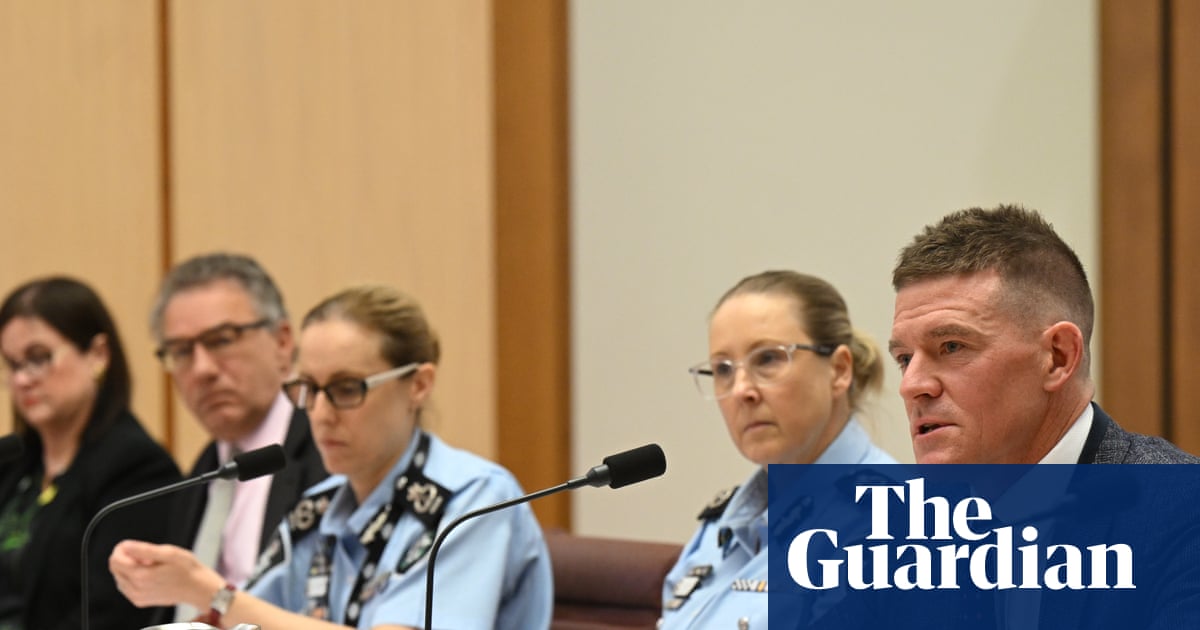
Canberra - Australia's burgeoning illicit tobacco trade is not merely a matter of lost tax revenue; it's a symptom of deeper systemic failures that exacerbate social inequalities and enable criminal exploitation. While police struggle to manage the flood of seized illegal cigarettes and vapes, the focus must shift to addressing the root causes of this problem and mitigating its devastating impact on vulnerable communities.
The Australian federal police (AFP) told a parliamentary inquiry that the destruction of seized vapes is costing as much as $13 per kilogram. But the exorbitant costs of destruction pale in comparison to the human costs of this illegal industry. The profits from illicit tobacco fuel broader criminal activity, including drug trafficking, firearms offenses, assaults, corruption, and worker exploitation. These are not victimless crimes; they are directly linked to the suffering of individuals and communities.
The inquiry heard that approximately 2.66 billion illegal cigarettes, 510 tonnes of loose leaf tobacco, and 7.5 million e-cigarette products have been seized since 2016. But seizures alone are not a solution. The illicit tobacco market thrives in an environment of economic desperation and inadequate social safety nets. When individuals are left with limited opportunities, they become more vulnerable to exploitation by criminal enterprises.
The Albanese government's mid-year budget update in December projected tobacco excise revenue of $5.5 billion for 2025-26. However, this figure was revised down to $4.1 billion in the recent federal budget, reflecting the scale of the problem. But focusing solely on lost excise revenue misses the bigger picture. The illicit tobacco trade undermines public health efforts, particularly among low-income communities where smoking rates are already disproportionately high. It also creates an uneven playing field for legitimate businesses that comply with regulations and pay their fair share of taxes.
Anthony Helmond, the manager for law enforcement at financial watchdog Austrac, noted that criminal gangs are utilizing money laundering techniques to process profits from illegal cigarette sales. The financial flows associated with this trade must be disrupted, but so too must the conditions that allow it to flourish. This requires a comprehensive approach that includes increased investment in education, job training, and social services in marginalized communities.


