Immigration Board Ruling Threatens Palestinian Activist's Deportation, Advocates Denounce Political Targeting
Mahmoud Khalil's case highlights concerns about the weaponization of immigration laws to silence dissent against Israeli policies.
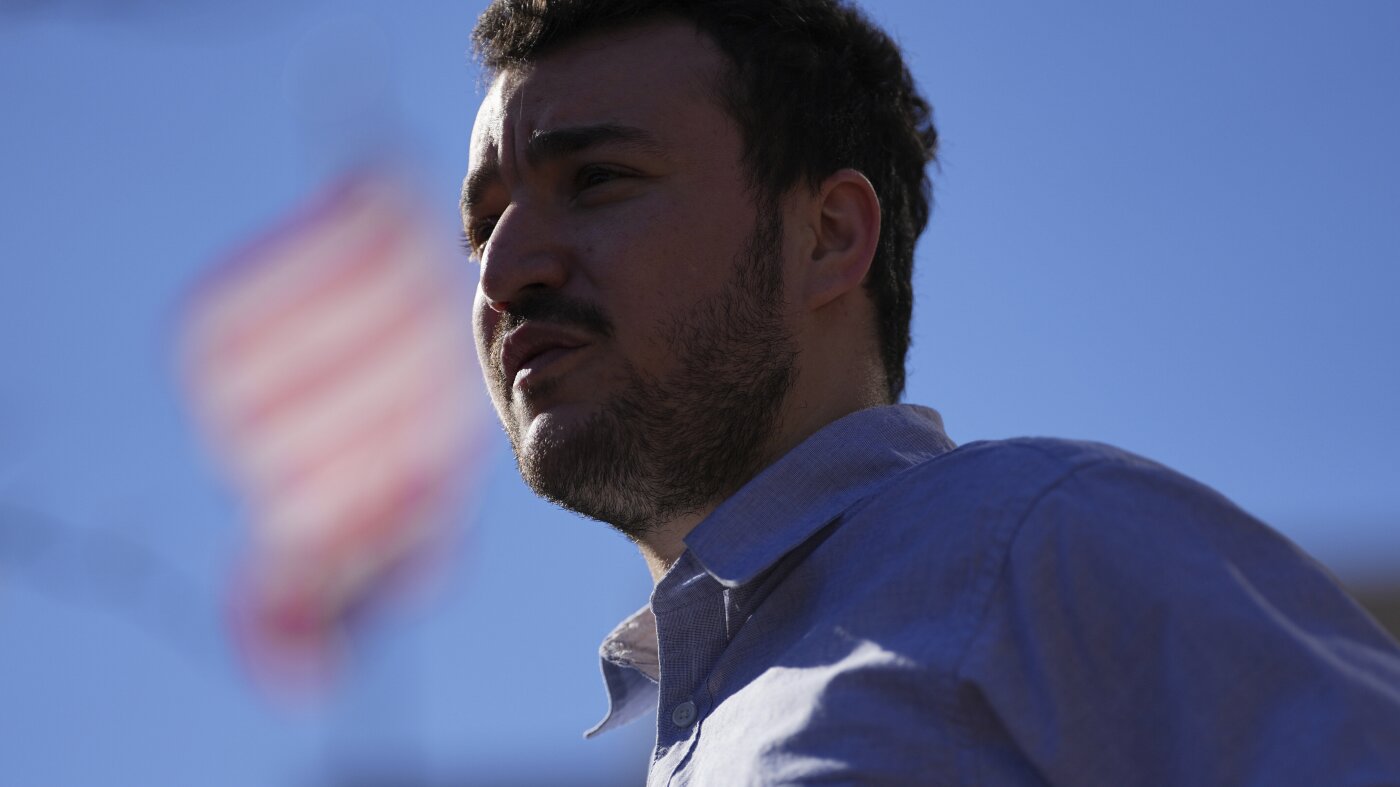
NEW YORK — Mahmoud Khalil, a Palestinian activist and former Columbia University graduate student, faces imminent deportation after the Board of Immigration Appeals denied his latest appeal, a decision his lawyers are calling unjust. This ruling underscores growing concerns that the immigration system is being politically weaponized to target individuals who publicly criticize the Israeli government. The Board of Immigration Appeals issued the final order of removal on Thursday, pushing Khalil, a legal permanent resident, closer to re-arrest and potential expulsion. The board's rulings are not public, and the Department of Justice has yet to respond to inquiries.
Khalil, 31, was the first publicly known case in what activists describe as a wave of federal repression against non-citizens vocal about Palestinian rights. The government alleges Khalil's pro-Palestinian activism at Columbia was "aligned to Hamas," a claim unsubstantiated by evidence. Critics argue this is a pretext to silence dissent and chill free speech, especially concerning sensitive geopolitical issues. Khalil spent 104 days in immigration detention after his arrest in March, missing the birth of his first child. He was eventually released by a federal judge in New Jersey, a decision later overturned by a U.S. appeals panel.
The case highlights a growing trend of using immigration laws to punish political speech. The Board of Immigration Appeals, operating under the Department of Justice, sets crucial precedents in the immigration court system. Under increasing political influence, critics fear this system is being leveraged to suppress voices critical of U.S. foreign policy, particularly concerning Israel. Khalil, born in Syria to a Palestinian family and holding Algerian citizenship, fears persecution and potential death if deported.
His supporters emphasize that his activism is protected under the First Amendment. They argue the government's actions are a blatant attempt to silence opposition to Israeli policies and suppress solidarity with Palestine. Khalil's legal team is pursuing avenues to challenge the deportation order, arguing that his detention and deportation would be unlawful. However, the denial of his appeal represents a significant setback in their efforts. This case raises fundamental questions about freedom of speech, due process, and the politicization of immigration enforcement.