Indiana's New Trucking Rules Target Migrants, Sparking Concerns of Discrimination
Critics argue visa and English proficiency requirements for truck drivers could disproportionately impact immigrant communities and exacerbate labor shortages.
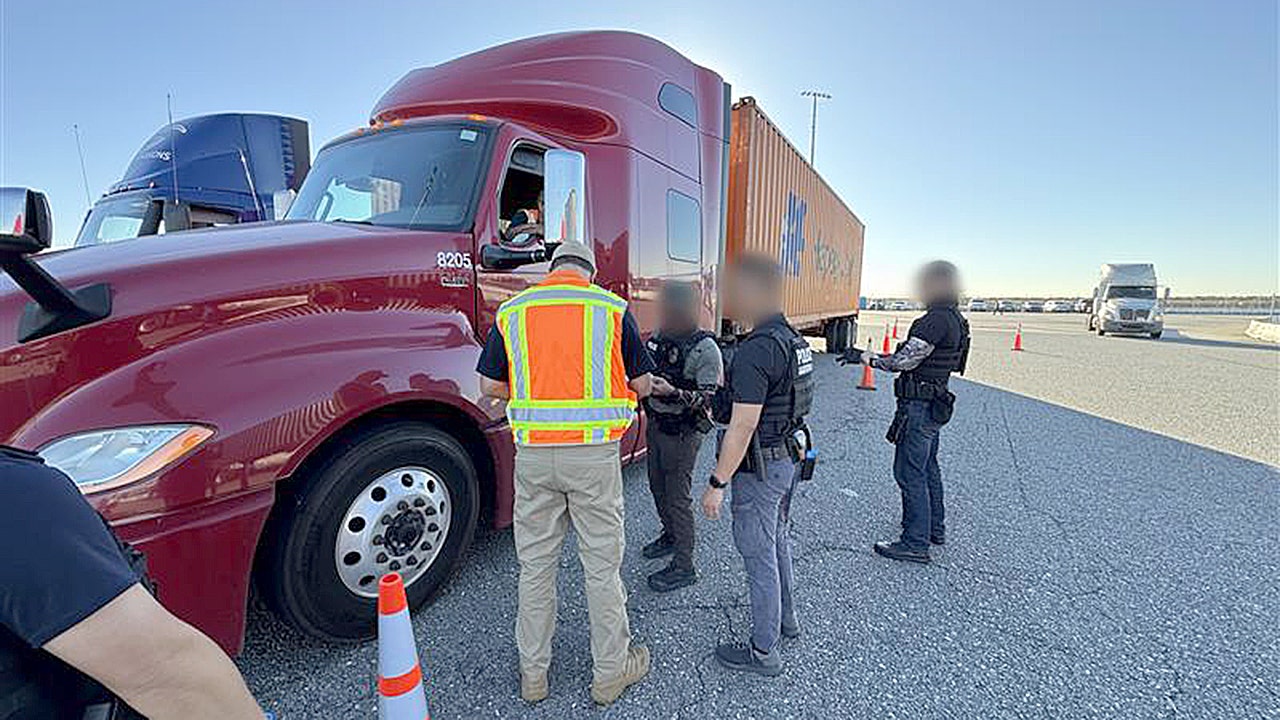
Indianapolis, IN - Indiana's new regulations targeting migrant truck drivers, requiring specific work visas and proof of English proficiency for commercial driver's licenses (CDLs), have ignited debate about potential discriminatory impacts and workforce implications. Announced by Lieutenant Governor Micah Beckwith, the changes aim to enhance road safety, but critics argue they could disproportionately affect immigrant communities and exacerbate existing labor shortages in the trucking industry.
The new rules, set to take effect immediately, mandate that future CDL applicants who are not citizens must possess one of three approved work visas and demonstrate English proficiency. Existing CDLs held by individuals without valid work visas are set to expire. While proponents claim this will enhance road safety, advocacy groups worry about the fairness and equity of these measures.
The English proficiency requirement is particularly concerning, as it could exclude qualified drivers who may not have access to language training or resources. This raises questions about whether the requirement is genuinely related to safety or serves as a barrier to entry for immigrant workers.
Moreover, the $50,000 fine for employers who knowingly hire drivers without valid CDLs could create a chilling effect, discouraging businesses from hiring immigrants even if they meet the other requirements. This could further strain the already tight labor market in the trucking industry, potentially impacting the supply chain and driving up costs for consumers.
These regulations come amid a backdrop of increased scrutiny and enforcement targeting immigrant communities nationwide. Critics argue that these measures are often rooted in xenophobia and fail to address the root causes of safety concerns, such as inadequate training, poor working conditions, and pressure to meet unrealistic deadlines.
The recent incidents cited by state officials, including fatal crashes involving undocumented truck drivers, highlight the need for comprehensive safety measures. However, critics argue that singling out immigrants as the primary cause of these incidents is misleading and overlooks systemic issues within the trucking industry.
The case of Singh Sukhdeep, an undocumented immigrant involved in a fatal crash in Indiana, and Harjinder Singh, facing vehicular homicide charges in Florida, are tragic examples that fuel the debate. However, it is crucial to avoid generalizing and stereotyping all immigrant drivers based on the actions of a few individuals.
Representative Shri Thanedar's attempt to adjourn a House Homeland Security subcommittee hearing on the issue reflects the deep political divisions surrounding immigration and its impact on various sectors of the economy. The debate underscores the need for a nuanced and comprehensive approach to addressing safety concerns without resorting to discriminatory policies.
Moving forward, it is essential to monitor the impact of these new regulations on immigrant communities and the trucking industry. Data collection and analysis are needed to assess whether the changes effectively improve road safety without creating unintended negative consequences. Stakeholders, including immigrant advocacy groups, labor unions, and industry representatives, should be involved in ongoing discussions to ensure that policies are fair, equitable, and promote safety for all.
Indiana's new trucking rules raise important questions about the balance between safety, fairness, and economic opportunity. It is crucial to address safety concerns without scapegoating immigrant communities or exacerbating labor shortages. A comprehensive approach that focuses on training, working conditions, and fair enforcement is needed to ensure a safe and equitable transportation system for all.
The long-term effects of these new regulations remain to be seen. It will be critical to examine data on accidents, driver demographics, and labor market trends to determine whether the changes are achieving their intended goals or creating unintended negative consequences for immigrant communities and the broader economy. A commitment to fairness, equity, and evidence-based policymaking is essential to navigate the complex challenges at the intersection of immigration, transportation, and public safety.