Indigenous Rights Champion Brooklyn Rivera Dies After Government Imprisonment in Nicaragua
The death of Brooklyn Rivera, following his imprisonment by the Nicaraguan government, underscores the ongoing persecution of Indigenous leaders and the erosion of human rights in the country.
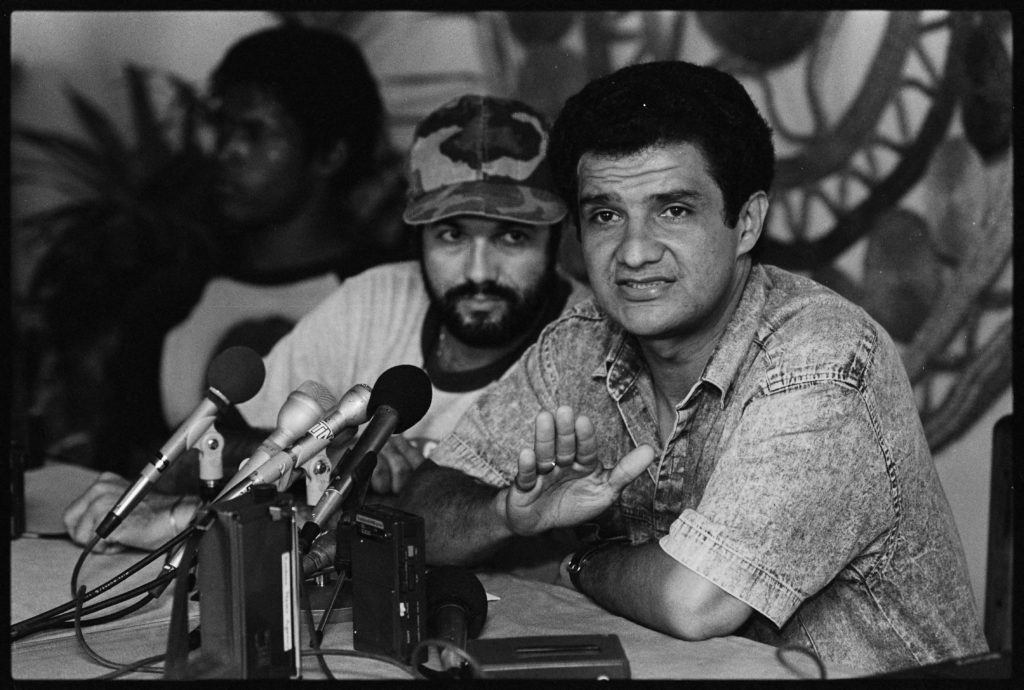
Brooklyn Rivera, a dedicated Indigenous leader from Nicaragua who tirelessly fought for the rights of his community, has died after being imprisoned by the Nicaraguan government since September 2023. His passing highlights the severe risks faced by those who dare to challenge authoritarian regimes and advocate for social justice. Rivera’s activism focused on securing land rights, cultural preservation, and self-determination for Indigenous communities, often putting him at odds with government policies that prioritized resource extraction over Indigenous well-being.
Rivera’s death is a tragic consequence of the Nicaraguan government's crackdown on dissent and its disregard for human rights. His imprisonment was part of a broader pattern of targeting Indigenous leaders, activists, and journalists who have spoken out against government policies. This repression serves to silence marginalized voices and consolidate power, furthering social and economic inequalities.
The conditions of Rivera's imprisonment raise serious concerns about the Nicaraguan government's respect for due process and human dignity. Reports of inadequate medical care, limited access to legal counsel, and potential abuse paint a grim picture of the treatment of political prisoners in the country. These conditions disproportionately affect vulnerable populations, including Indigenous communities, who already face systemic discrimination and marginalization.
Rivera's struggle reflects a long history of oppression and exploitation faced by Indigenous peoples in Nicaragua and throughout Latin America. Colonial legacies and neo-liberal policies have resulted in the dispossession of Indigenous lands, the destruction of their cultural heritage, and the denial of their rights to self-determination. Rivera’s activism sought to redress these historical injustices and create a more equitable and just society.
The international community must hold the Nicaraguan government accountable for Rivera's death and demand an independent investigation into the circumstances surrounding his imprisonment and treatment. Furthermore, it is crucial to provide support and solidarity to Indigenous communities in Nicaragua who continue to face threats and intimidation.
Rivera's legacy serves as a call to action for human rights advocates, social justice organizations, and progressive movements around the world to stand in solidarity with Indigenous peoples and fight for a world where their rights are respected and their voices are heard. His death underscores the urgent need to challenge systems of oppression and build a more just and equitable future for all.
The fight for Indigenous rights is inextricably linked to the broader struggle for social and economic justice. Addressing the root causes of inequality, such as poverty, discrimination, and lack of access to education and healthcare, is essential to creating a society where Indigenous communities can thrive. Rivera's passing should galvanize efforts to promote systemic change and dismantle the structures of power that perpetuate injustice.
It is essential that the international community support organizations working on the ground to provide legal aid, advocacy, and humanitarian assistance to Indigenous communities in Nicaragua. Furthermore, it is crucial to amplify the voices of Indigenous leaders and activists and ensure that their concerns are heard in international forums. Rivera's death is a stark reminder of the human cost of oppression and the urgent need for global solidarity.
Sources:
* [https://www.cidh.oas.org/](https://www.cidh.oas.org/) * [https://www.un.org/development/desa/indigenouspeoples/](https://www.un.org/development/desa/indigenouspeoples/)


