Inflation and Austerity Measures Fuel UK Borrowing Surge, Hitting Vulnerable Populations
Soaring benefit costs, driven by rising inflation, exacerbate the impact of existing austerity policies and highlight the urgent need for equitable economic solutions.
London — New figures reveal that the UK's public sector net borrowing reached £24.3 billion in April, significantly exceeding expectations. This surge is largely attributed to inflation-linked increases in benefit payments and rising debt interest, exposing the painful consequences of austerity measures and the failure to adequately support vulnerable populations.
The Office for National Statistics (ONS) data indicates that net social benefits paid by central government rose by £2.7 billion to £29.5 billion in April alone. This spike reflects the real-world impact of soaring prices on low-income households and pensioners, who rely on these benefits to survive. The fact that these essential payments are driving up borrowing underscores the moral imperative to protect and expand social safety nets, not slash them.
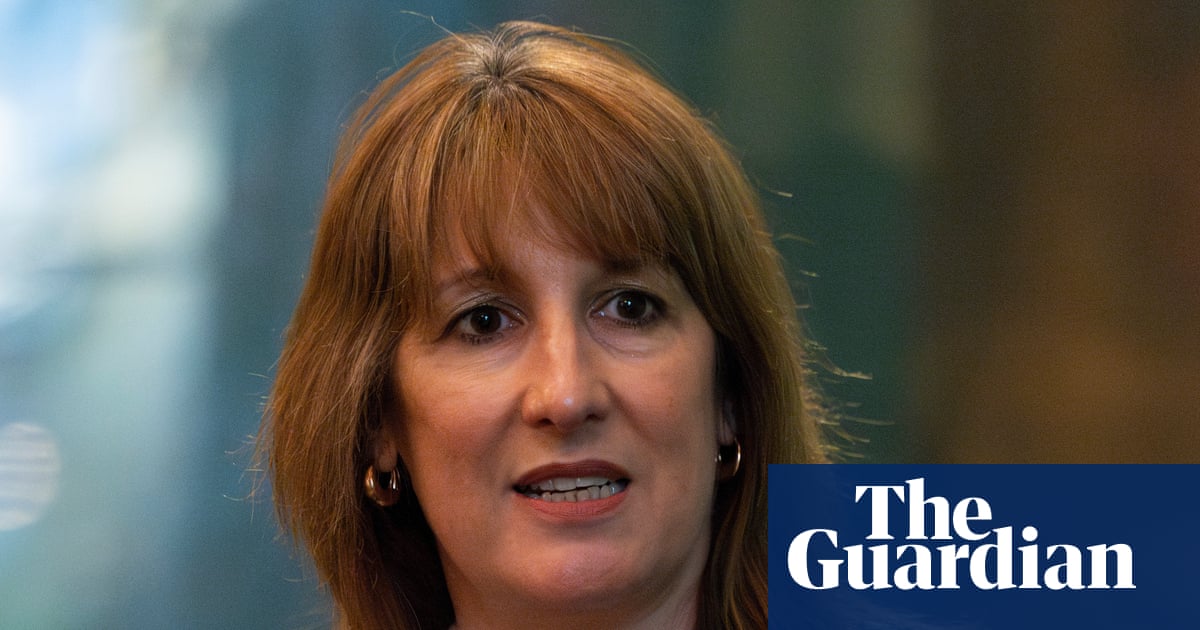
While Chancellor Rachel Reeves and the Treasury tout their commitment to cutting borrowing and driving growth, the reality is that their policies are squeezing the very people who can least afford it. The emphasis on fiscal consolidation ignores the human cost of austerity, which disproportionately affects marginalized communities and widens existing inequalities.
The International Monetary Fund (IMF) may urge Britain to "stay the course" on Reeves's plan to cut government borrowing, but this advice is dangerously short-sighted. The IMF's endorsement of austerity policies has a long history of exacerbating poverty and inequality in countries around the world. It is time to prioritize social well-being over abstract fiscal targets.
The rise in UK government borrowing costs on financial markets is also a cause for concern, reflecting investor anxiety over political uncertainty. However, instead of responding to market jitters with further austerity, the government should invest in public services and infrastructure, creating jobs and stimulating demand.
The figures also highlight the inadequacy of the pensions triple lock, which, while intended to protect pensioners from inflation, has not kept pace with the rising cost of living. A more comprehensive and equitable approach to pension reform is needed to ensure that all retirees can live with dignity.
Grant Fitzner, the ONS chief economist, acknowledges that higher spending on benefits and other costs has more than offset increased receipts. This suggests that the government's revenue-generating policies are failing to address the underlying economic challenges, while simultaneously punishing those most in need.