Inquiry Reveals Afghan President's Outrage Over Civilian Deaths Caused by UK Special Forces
Evidence highlights the devastating impact of military tactics on Afghan civilians and the breakdown of trust between Afghan and British forces.
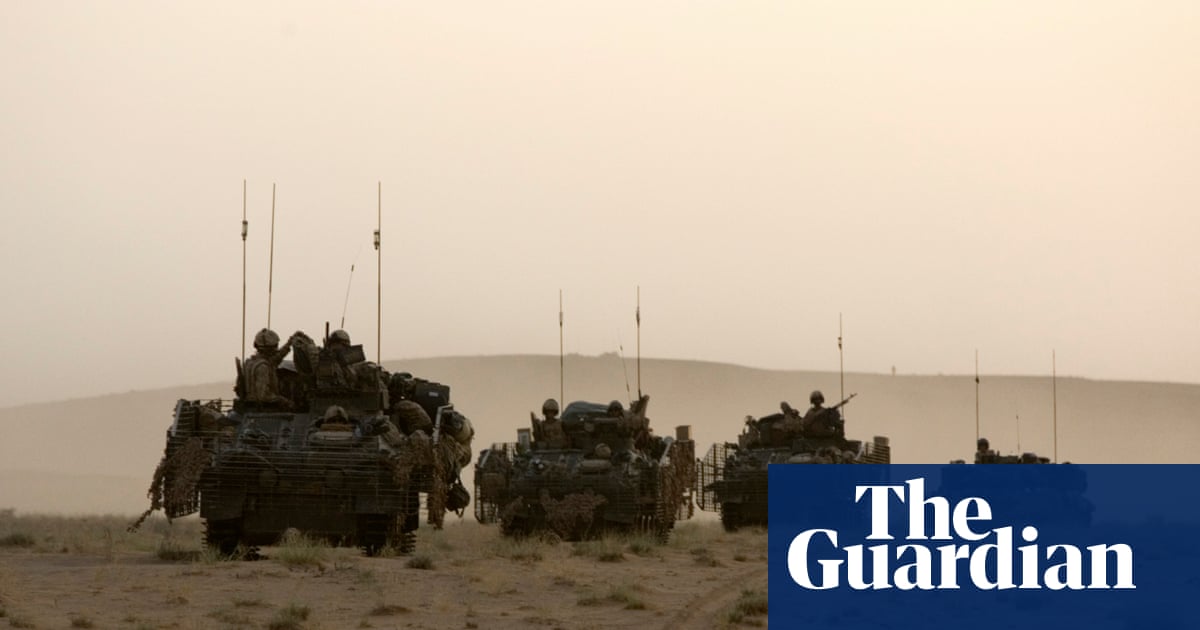
London - A public inquiry examining the actions of British special forces in Afghanistan has unearthed disturbing evidence of Afghan civilian deaths and the erosion of trust between Afghan and British military partners. The inquiry reveals that former Afghan President Hamid Karzai expressed strong concerns to NATO commanders about the rising number of civilian casualties resulting from operations conducted by the UK's Special Air Service (SAS) in Helmand province.
The inquiry, initiated in December 2022, is focused on UK special forces deployments between 2010 and 2013, specifically investigating the potential unlawful killings of up to 80 Afghans. The revelations underscore the human cost of the war in Afghanistan and the urgent need for accountability.
Testimony from a staff officer, identified as N1788, highlights the problematic nature of a specific SAS tactic: asking Afghan males to return to family compounds after raids, often conducted at night. This practice, intended to reduce threats to British forces, allegedly resulted in numerous deaths, raising serious questions about proportionality and adherence to international humanitarian law. The officer described the tactic as an “inefficient practice”, noting instances where fewer weapons were found than Afghans killed.
This disproportionate use of force not only resulted in tragic loss of life but also undermined the core objectives of the mission. The practice of separating Afghan adult males during raids, according to N1788, directly increased the likelihood of military action. This created a cycle of violence and fear, alienating the local population and fueling resentment.
Further exacerbating the situation, the inquiry has uncovered evidence that Afghan partner forces became increasingly reluctant to work alongside British special forces by the spring of 2011. This breakdown in trust crippled joint operations and hindered efforts to stabilize the country. The reluctance of Afghan units to participate with the SU1 unit became a major issue for NATO-led campaigns across Afghanistan, showing a significant deterioration in coalition cohesion.
The timing of this deterioration coincided with the US troop surge ordered by President Barack Obama, intended to combat a growing Taliban insurgency. However, the effectiveness of this surge was undermined by the strained relationship between Afghan and British forces, further highlighting the complexities of the conflict.


