Instagram's Censorship of Erin O'Connor's Pregnancy Photo Highlights Platform's Bias and Body Policing
The removal of a powerful image of motherhood exposes the social media giant's problematic content moderation policies and reinforces harmful stereotypes about women's bodies.
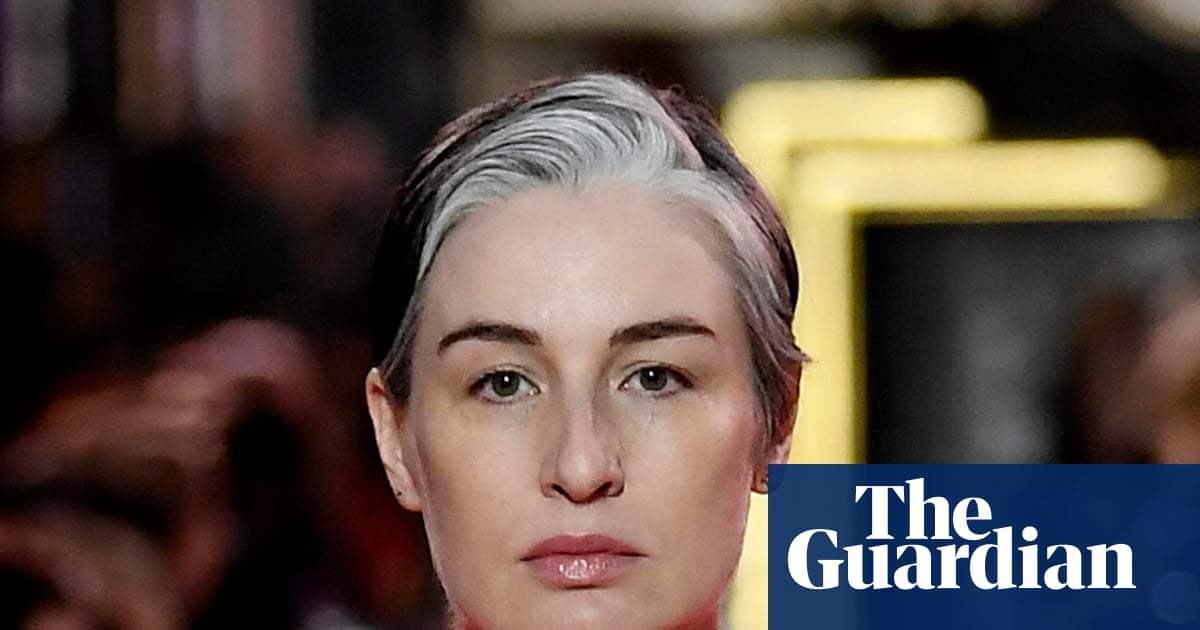
Instagram's decision to remove a photograph of model Erin O'Connor, taken while heavily pregnant, for violating its nudity guidelines has ignited outrage and sparked a critical conversation about the platform's inherent biases and its role in perpetuating harmful stereotypes about women's bodies. The image, a black-and-white portrait by Nick Knight, captured O'Connor at her most vulnerable and powerful, celebrating the “abundance of life” within her. Yet, Instagram deemed it a violation, silencing a positive message of motherhood and bodily autonomy.
This incident is not isolated. It reflects a broader pattern of social media platforms disproportionately censoring content related to women's health, sexuality, and body positivity while simultaneously allowing the proliferation of hypersexualized imagery and harmful content that exploits and objectifies women. The platform's stated commitment to “freedom of expression” rings hollow when juxtaposed with the arbitrary and often biased enforcement of its nudity guidelines.
The removal of O'Connor's photograph is particularly egregious considering the historical and ongoing struggle for women to reclaim ownership of their bodies and challenge societal norms surrounding pregnancy and childbirth. For centuries, women's bodies have been subjected to scrutiny, control, and regulation by patriarchal institutions. Instagram's actions perpetuate this legacy by effectively policing women's expression and silencing voices that challenge the status quo.
O'Connor's own words at the National Gallery, where she questioned how a pregnant woman's body could be deemed offensive when she is “in her full power,” resonate deeply. Her experience highlights the urgent need for social media platforms to re-evaluate their content moderation policies and adopt a more nuanced and equitable approach that respects women's autonomy and celebrates the diversity of the female experience.
Furthermore, this incident underscores the importance of challenging the hypersexualization of women in media and advocating for more positive and authentic representations of female bodies. The fact that Instagram readily allows hypersexualized content while censoring a powerful image of pregnancy reveals a deeply ingrained bias that must be actively dismantled.
The platform's claim that the removal was necessary to maintain a “respectful and safe” community is a thinly veiled excuse for censorship. A truly respectful and safe community is one that embraces diversity, celebrates women's bodies, and allows for open and honest conversations about motherhood, sexuality, and health. Until Instagram demonstrates a genuine commitment to these principles, its policies will continue to perpetuate harm and reinforce harmful stereotypes.