International Rescue Team Confronts Harsh Conditions in Laos Cave Rescue
A global team of divers battles dangerous conditions to save individuals trapped in a flooded Laos cave, highlighting the need for improved safety measures in marginalized communities.
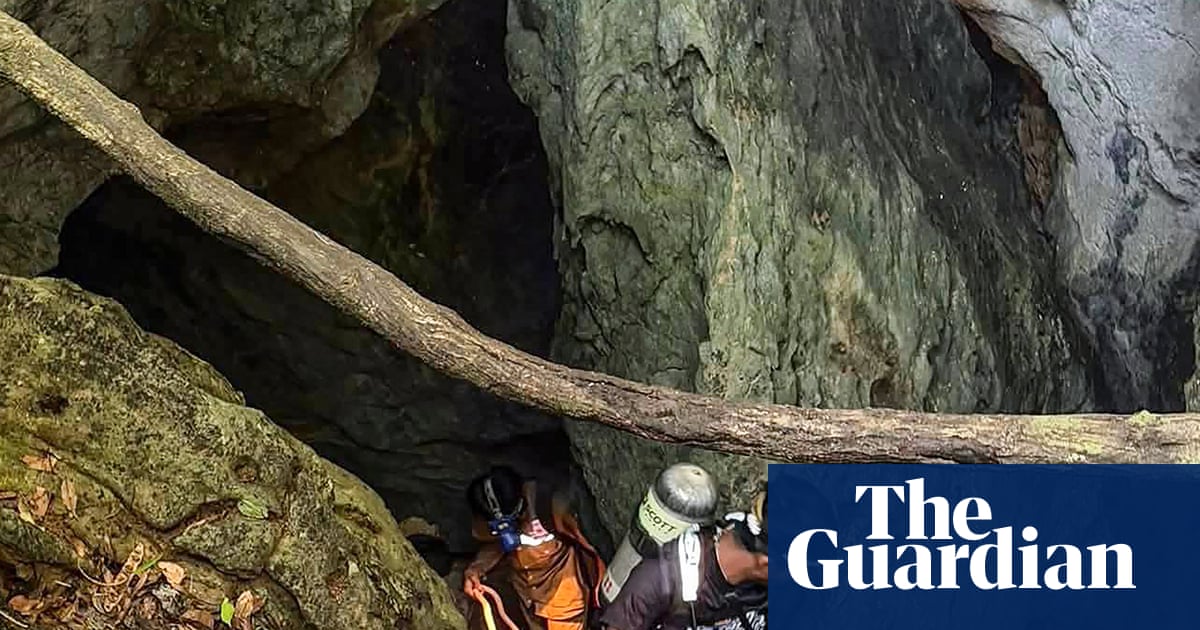
Xaysomboun Province, Laos – An international coalition of cave diving experts has converged on Xaysomboun province in Laos, embarking on a perilous mission to rescue seven people trapped within a flooded cave system. The group, comprised of five men and two others, entered the cave more than a week ago seeking wildlife and gold, a testament to the economic hardships faced by communities in this region. Heavy rains subsequently sealed off the cave entrance, underscoring the vulnerability of marginalized populations to environmental factors and the potential consequences of resource scarcity.
The rescue effort is being spearheaded by Metta Tham Rescue, a Thai organization, with Kengkard Bongkawong, its head of operations, noting the extreme difficulty of the search for the two missing individuals. This will require divers to navigate a narrow, 30-meter tunnel with virtually no visibility. The trapped individuals' lack of diving experience, coupled with dwindling oxygen supplies and the persistent threat of further rainfall, further complicates the situation, emphasizing the systemic inequalities that leave communities ill-equipped to handle such emergencies.
Divers from Australia, Japan, Indonesia, Thailand, Malaysia and France have been deployed to assist, illustrating the global commitment to humanitarian aid. Australian cave diver Josh Richards, leader of the Soggy Wombats exploration team, described the cave conditions as "awful," marked by unstable clay and mud walls that reduce visibility to nil. Richards emphasized the tactile nature of the navigation, stating, "You’re essentially diving in coffee," pointing to the challenging conditions faced by rescuers.
The circumstances surrounding the cave entrapment highlight the socio-economic factors pushing individuals to engage in risky activities. The search for wildlife and gold suggests a reliance on natural resources for survival, reflecting the limited economic opportunities available in the region. This incident also raises questions about the regulation and oversight of such activities, as well as the availability of resources for emergency response in remote areas.
As the rescue team develops its plan, prioritizing safety for all involved, the incident underscores the need for sustainable development and resource management strategies. Efforts to pump water from the cave represent a crucial component of the operation, demonstrating the need for adaptive solutions in challenging environments.


