Intertwined Wars: Ukraine and Iran Conflicts Expose Global Inequities and Imperialist Agendas
As the Ukraine and Iran wars become increasingly linked, they highlight the devastating impact of geopolitical maneuvering on vulnerable populations and global stability.
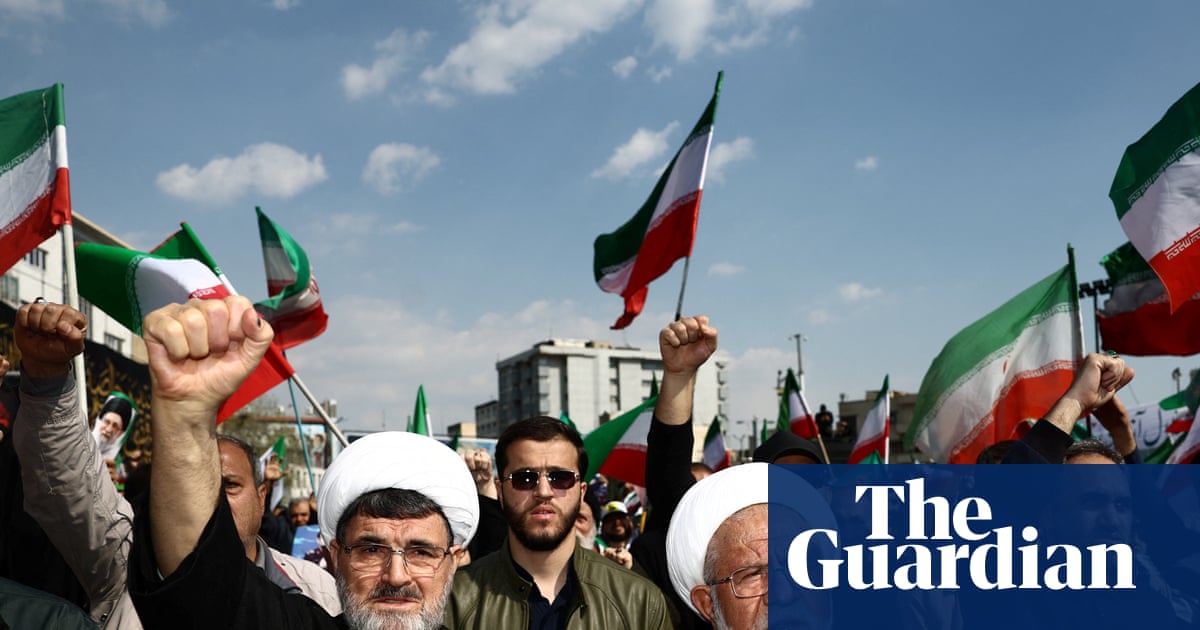
The escalating entanglement of the Ukraine and Iran conflicts reveals not just a strategic alignment of nations, but also the stark realities of global power dynamics and their disproportionate impact on marginalized communities.
The connection is driven by Russia's deployment of Iranian-made Shahed drones against Ukrainian civilians since September 2022. In a concerning quid pro quo, Moscow is now reportedly providing Tehran with intelligence, targeting assistance, and drone technology, especially following the US-Israeli assault on February 28. This exchange underscores the callous disregard for human life and international norms by powerful nations.
President Zelenskyy's recent Middle East tour, aimed at securing drone and anti-drone technology for countries like Saudi Arabia, the United Arab Emirates, and Qatar, reinforces the role of these nations in perpetuating conflict. These agreements highlight the global arms trade and the willingness of wealthy countries to profit from instability, while ignoring the human cost.
Furthermore, the conflicts are exacerbating global energy market inequalities. The attack on Iran, coupled with actions impacting shipping through the Strait of Hormuz, initially benefited Russia through inflated oil and gas prices. This economic lifeline for Moscow is a direct consequence of a system that prioritizes profit over peace and environmental sustainability.
The Trump administration's easing of restrictions on Russian oil exports, ostensibly to stabilize the market, reveals a disturbing prioritization of economic interests over holding Russia accountable for its aggression in Ukraine. This policy further disadvantages vulnerable populations reliant on affordable energy and perpetuates a system that rewards aggression.
Ukraine's strikes on Russian energy infrastructure, while aimed at limiting Russia's revenue, also have implications for global energy supplies and affordability. The interconnectedness of these conflicts demonstrates how actions in one region can have cascading effects, particularly on those least able to afford them.
The EU's anxiety over a wider Middle Eastern conflict is understandable, but it must be coupled with a commitment to addressing the root causes of these conflicts. UK Defence Secretary Healey's focus on Russia's influence distracts from the broader issue of Western complicity in perpetuating instability.