Investigation of Cuban Diplomat Raises Concerns About Free Speech and U.S.-Cuba Relations
As federal officials scrutinize a Cuban diplomat, advocates worry about the potential chilling effect on solidarity movements and the need for normalized relations.
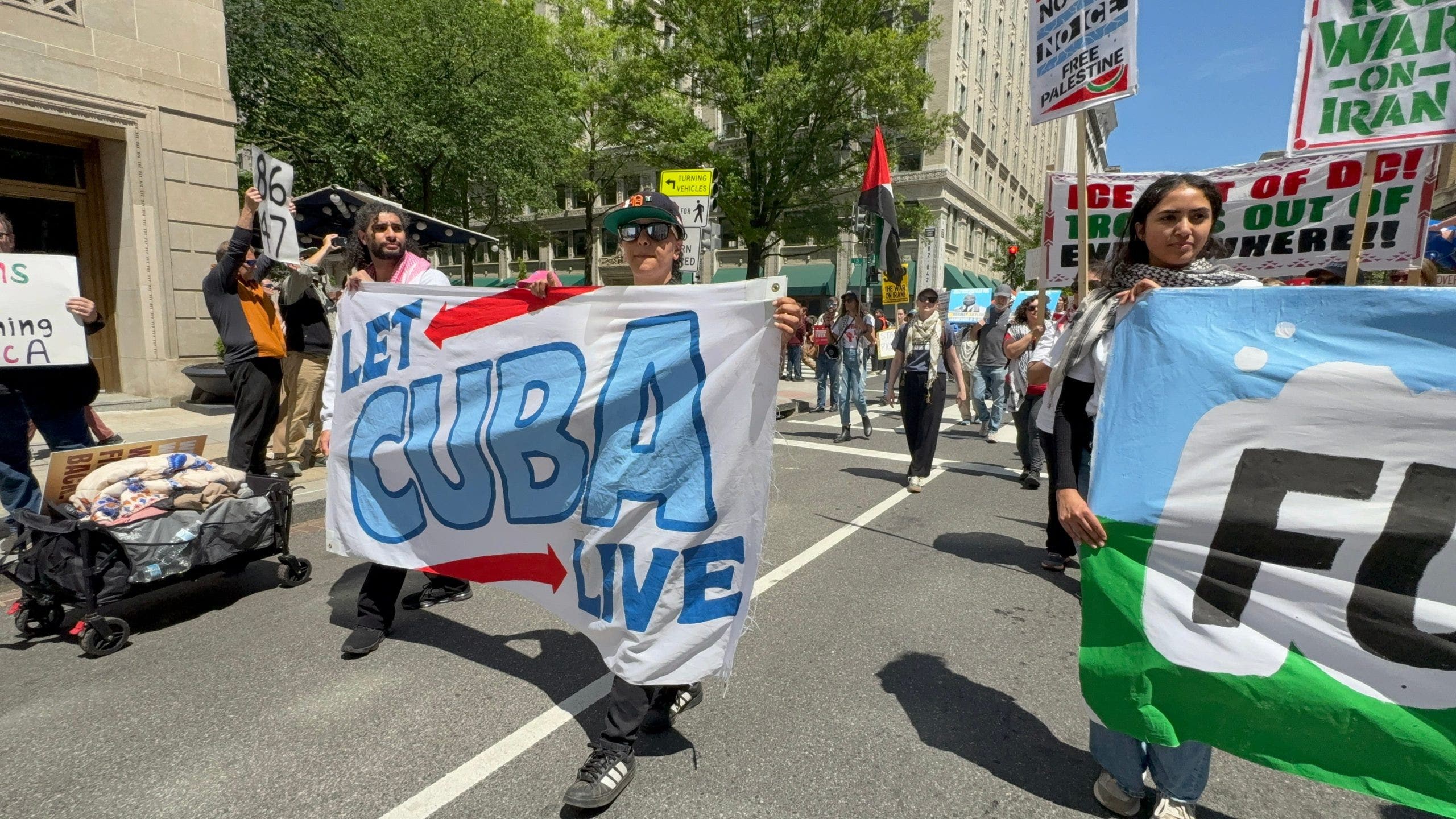
WASHINGTON, D.C. — A federal investigation into a Cuban diplomat for allegedly coordinating with U.S. organizations has sparked debate about the balance between national security concerns and the rights of activists to advocate for alternative foreign policies. The inquiry, which also involves scrutiny of Marxist streamer Hasan Piker, raises questions about the potential for overreach and the targeting of progressive movements.
The investigation centers on David Ramírez Álvarez, second secretary at the Embassy of Cuba in Washington, D.C., who is accused of coordinating with a network of 145 U.S. groups. These groups, it is alleged, are being influenced to support Cuba's policy agenda. However, critics argue that such investigations can stifle dissent and undermine the ability of civil society organizations to engage in critical dialogue about U.S. foreign policy.
The probe also extends to Hasan Piker's trip to Cuba as part of the Nuestra América Convoy. Piker claims that he was offered consistent internet access by a Cuban embassy contact in exchange for the trip. While federal officials are examining potential violations of laws restricting business dealings with Cuba, supporters of normalized relations argue that such interactions are essential for fostering understanding and breaking down barriers.
The May 9 meeting at the Machinists Hall in Wilmington, California, organized by the U.S. Hands Off Cuba Committee, further highlights the concerns about the investigation's potential impact on advocacy efforts. The gathering, which featured remarks from Ramírez Álvarez, was aimed at promoting an end to the U.S. embargo and removing Cuba from the state sponsors of terrorism list. Advocates argue that these are legitimate policy goals that should be debated openly, without fear of government reprisal.
The subpoena issued to Susan Medea Benjamin, co-founder of CodePink, for her trip to Cuba in March underscores the potential chilling effect of the investigation on solidarity movements. CodePink has long been a vocal critic of U.S. foreign policy and a proponent of peaceful engagement with Cuba. Critics fear that the investigation could discourage activists from engaging in similar efforts.
A spokesperson for the Embassy of Cuba has denied any wrongdoing, emphasizing that Cuban diplomats strictly comply with the Vienna Convention on Diplomatic Relations. The convention, while prohibiting interference in the internal affairs of the host country, also protects the rights of diplomats to engage in legitimate diplomatic activities.
The historical context of U.S.-Cuba relations is crucial to understanding the current investigation. The decades-long embargo and the designation of Cuba as a state sponsor of terrorism have created significant barriers to engagement and have fueled mistrust between the two countries. Critics argue that these policies are counterproductive and that a more nuanced approach is needed.
This investigation also raises concerns about the broader implications for freedom of speech and association. The government's scrutiny of organizations and individuals advocating for alternative foreign policies could set a dangerous precedent and could discourage critical dialogue about U.S. foreign policy. The right to dissent and to advocate for change is a cornerstone of a democratic society.
Furthermore, the investigation could have a disproportionate impact on marginalized communities and activists who are already facing significant challenges. These communities often rely on international solidarity and support to advance their struggles for social justice and human rights. The investigation could undermine these efforts and could further isolate these communities.
The investigation continues to unfold, raising important questions about the role of government in regulating political speech and the need for a more constructive approach to U.S.-Cuba relations. It is essential that the investigation is conducted in a transparent and accountable manner, and that the rights of activists and organizations are protected.