Iran and Oman's Strait of Hormuz Plan: A Challenge to US Hegemony and a Potential Boon for Regional Control
As Iran and Oman coordinate on managing the vital waterway, the US faces a challenge to its influence, raising questions about equitable trade and regional power dynamics.
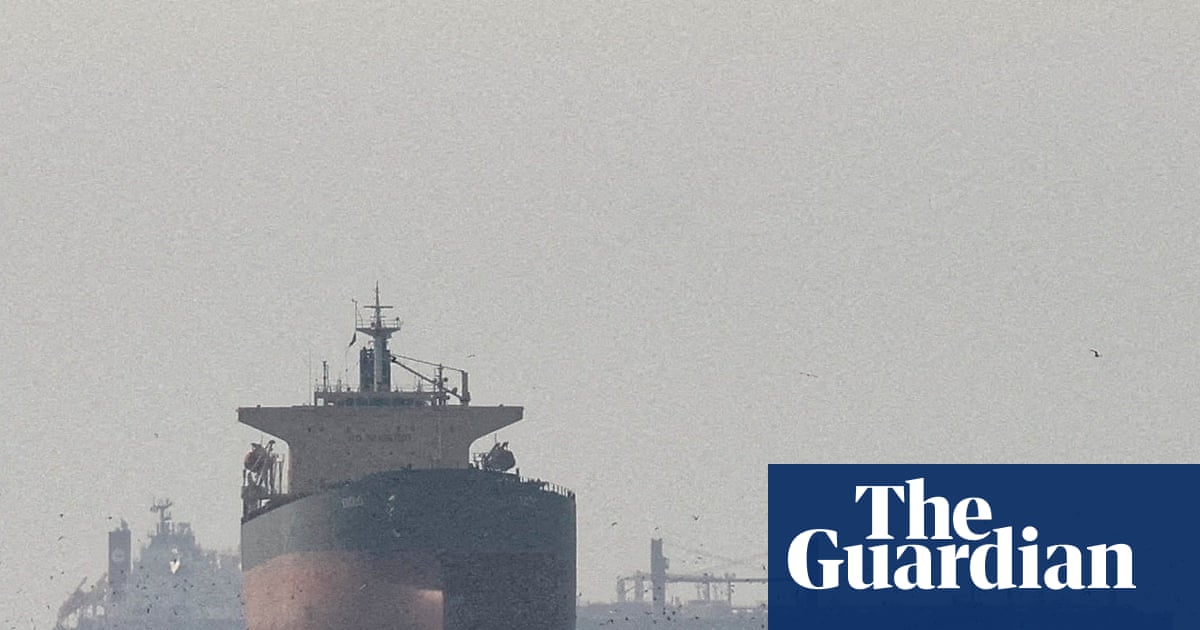
Iran's announcement of coordinated management with Oman over the Strait of Hormuz represents a significant shift in regional power dynamics and a direct challenge to the United States' long-held dominance in the area. The proposed plan, which includes fees for commercial shipping passing through the strait, sparks debates over economic justice and the right of nations to control their territorial waters.
The Strait of Hormuz, a crucial passage for global oil transport, has been blockaded for ten weeks following a US-Israeli attack on Iran. This disruption underscores the vulnerability of the global economy to geopolitical tensions and raises concerns about the disproportionate impact on marginalized communities dependent on stable energy supplies. The Omani exclave of Musandam lies to the south of the Strait, highlighting the shared responsibility and potential benefits for both nations.
Iranian Foreign Minister Abbas Araghchi's assertion that the Strait of Hormuz is an exclusively Omani-Iranian waterway highlights the need to re-evaluate international norms regarding maritime governance. "The strait is located in the territorial waters of Iran and Oman. There is no international waters in between," Araghchi stated, challenging the notion of unrestricted access often championed by Western powers.
The US opposition to Iran's plan to charge fees raises questions about fairness and sovereignty. The imposition of economic sanctions and military interventions by the US in the region has historically destabilized the area and hindered the economic development of Iran and other nations. The proposed fees could be seen as a way for Iran to assert its economic independence and generate revenue to benefit its people.
Western diplomats' concerns about potential violations of UN sanctions against the Islamic Revolutionary Guard Corps (IRGC) reveal the complex interplay between economic sanctions and humanitarian concerns. While sanctions are often framed as tools to pressure governments, they can disproportionately harm ordinary citizens by limiting access to essential goods and services. A requirement for ships to establish rial accounts for payment would also probably fall foul of UN sanctions prohibiting money being sent to the Islamic Revolutionary Guard Corps (IRGC).
The rival plan proposed by France and the UK, focused on the freedom of navigation, reflects the interests of Western corporations and their desire to maintain unrestricted access to global trade routes. This approach often overlooks the needs and concerns of local communities and can perpetuate economic inequalities. A rival plan based on the freedom of navigation being prepared by France and UK has also been put to Oman, and has the support of most Gulf states.