Iran Moves World Cup Camp to Mexico Amidst US Tensions, Highlighting Visa Disparities
FIFA-approved relocation underscores the barriers faced by Iranian athletes and fans seeking access to the United States due to political complexities.
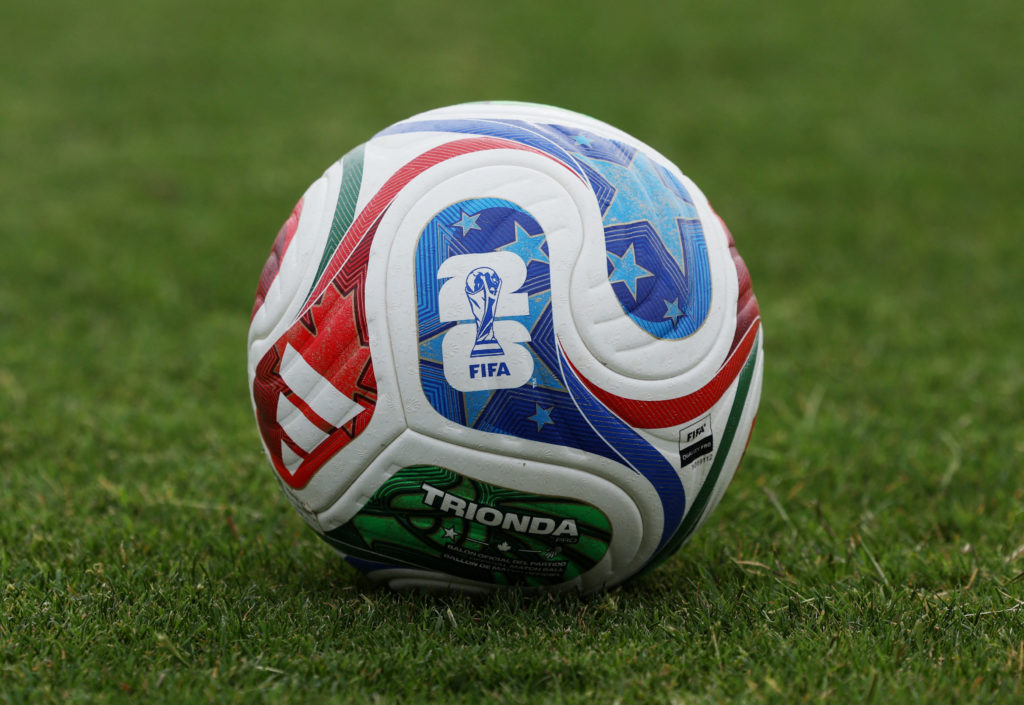
The Iranian soccer federation's decision to move its World Cup training base from the United States to Mexico, with FIFA's approval, throws into sharp relief the ongoing challenges faced by Iranian citizens seeking to engage with the US. The relocation, confirmed Saturday, hints at the difficulties stemming from strained diplomatic relations and restrictive visa policies that disproportionately impact athletes and fans.
The initial plan to train in the US faced potential hurdles related to visa processing, particularly given the historically high denial rates for Iranians seeking entry into the country. These visa policies, often justified on national security grounds, can effectively exclude individuals from participating in cultural and sporting exchanges. This decision highlights the inequity embedded within international events when certain nationalities face systemic obstacles to participation.
Mexico, as the new location, presents a more accessible option, potentially easing travel for both the team and its supporters. This shift acknowledges the implicit bias embedded in the original plan, which assumed that Iranian participants could readily navigate the US immigration system.
The move also raises questions about the social impact of international sporting events. While these competitions are often touted as promoting global unity, the reality is that political tensions and visa restrictions can create significant barriers for athletes and fans from certain countries. The relocation to Mexico underscores the importance of ensuring equitable access to international events, regardless of nationality or political affiliation.
Furthermore, the decision may reflect concerns about potential protests or political demonstrations targeting the Iranian team while training in the United States. Given the history of US-Iran relations, such concerns are not unfounded. Moving to Mexico could be seen as a way to mitigate the risk of disruptions and ensure a more stable training environment.
It is important to consider the human cost of these decisions. The athletes and fans affected by visa restrictions are often caught in the middle of larger political conflicts. Their dreams of participating in or attending the World Cup can be jeopardized by factors beyond their control.
This situation also highlights the role of FIFA in promoting social responsibility within international soccer. While FIFA's approval was necessary for the relocation, the organization should also actively advocate for equitable access to sporting events for all participants, regardless of nationality or political affiliation.
The relocation of Iran's training base serves as a reminder that international sporting events are not immune to the political and social inequalities that exist in the world. It is crucial to address these issues proactively to ensure that these events truly reflect the values of inclusivity and fairness.
Moving the training base also reduces the risk that Iranian athletes could defect while training on US soil. This may be a factor in Iran's decision, given that some Iranian athletes have previously sought asylum in the United States.
Ultimately, this relocation to Mexico reflects a pragmatic response to systemic barriers that hinder Iranian participation in international events held in the United States. It underscores the need for ongoing efforts to promote equitable access and reduce the negative impact of political tensions on athletes and fans.
The Iranian team now faces the task of adjusting to the new training environment in Mexico. Their success will depend not only on their athletic abilities but also on their resilience in navigating the challenges posed by political and social complexities.
This move highlights the systemic hurdles faced by Iranian athletes and fans due to US policies, necessitating the FIFA-approved change.