Iran Nuclear Talks Stall Over Uranium Stockpile: A Test of Diplomacy After Military Actions
As negotiations continue, the focus on Iran's enriched uranium highlights the limitations of military intervention and the urgent need for diplomatic solutions to prevent nuclear proliferation.
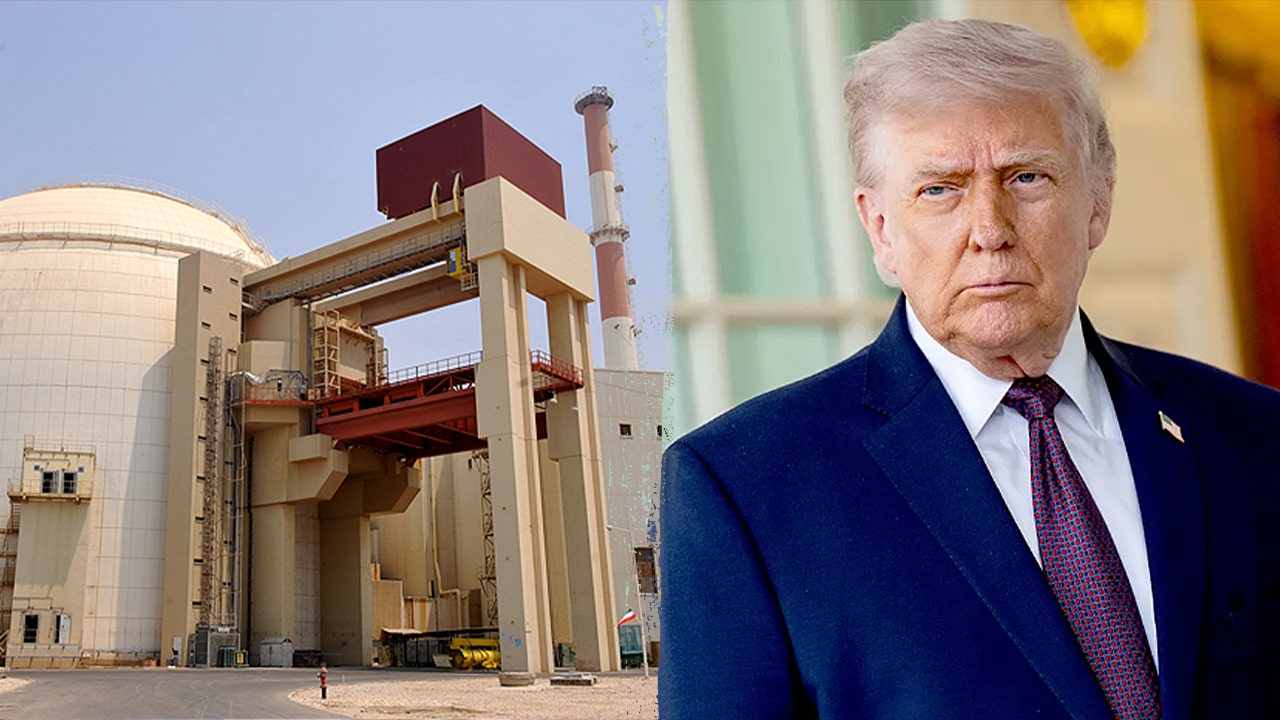
Washington, D.C. - Amid ongoing negotiations between the U.S. and Iran for a potential temporary framework agreement, a critical sticking point remains: the disposition of Iran's enriched uranium stockpile. This challenge has been exacerbated by Operation Epic Fury in 2026 and prior U.S. strikes on Iranian nuclear facilities in 2025, including Fordow, Natanz, and Isfahan. While these strikes aimed to curtail Iran's nuclear capabilities, experts argue they underscore the need for diplomacy over military action in addressing nuclear proliferation risks.
Iranian officials have steadfastly maintained their right to retain enriched uranium, a position that clashes with President Trump's insistence that Iran will not develop nuclear weapons. The existing stockpile, which includes uranium enriched up to 60% – dangerously close to weapons-grade – raises serious concerns about regional security and the potential for a rapid escalation of nuclear proliferation.
Andrea Stricker, a research fellow at the Foundation for Defense of Democracies, points out that allowing Iran to retain any enriched uranium, regardless of the enrichment level, would undermine the core purpose of any agreement. This would enable Iran to quickly enrich the material to weapons-grade levels at their discretion, effectively keeping the threat of nuclear weapons development alive.
The fundamental challenge lies in securing and neutralizing the enriched uranium. While airstrikes can damage centrifuges and other infrastructure, they do not eliminate the existing nuclear material. Addressing this requires sustained access, reliable intelligence, and robust international oversight, highlighting the importance of cooperation and transparency.
The Trump administration's likely insistence on either destroying the stockpiles within Iran or removing them under international supervision reflects a desire to prevent further escalation. However, implementing such an operation would involve significant logistical challenges, requiring excavation teams, international nuclear inspectors, and hazardous materials specialists operating in potentially dangerous conditions within damaged underground facilities. The operation's complexity underscores the need for a carefully negotiated and internationally supported solution.
The broader context involves addressing the underlying issues that drive Iran's nuclear ambitions. These include regional security concerns, economic sanctions, and a lack of trust in international guarantees. A sustainable solution requires a comprehensive approach that addresses these underlying issues, fostering a more stable and cooperative environment.
Ultimately, the decision regarding Iran's uranium stockpile is a test of diplomatic will and the international community's commitment to preventing nuclear proliferation. It also raises questions about the effectiveness and ethical implications of military intervention in resolving complex geopolitical issues. Focusing on diplomacy, verification, and addressing the root causes of conflict is essential for achieving lasting peace and security.
Critics argue that military actions, such as the strikes on Iranian facilities, often lead to unintended consequences, including increased regional instability and a hardening of positions. Instead, a diplomatic approach that prioritizes dialogue, cooperation, and mutual understanding is more likely to lead to a peaceful resolution.
The stakes are high, and the outcome will have far-reaching implications for regional stability and global security. The international community must prioritize diplomacy and work together to ensure that Iran's nuclear program remains peaceful and transparent, preventing a dangerous escalation of tensions in the Middle East.
The resolution of this issue should also consider the humanitarian and environmental impacts of any proposed actions. Ensuring the safety of local populations and protecting the environment are paramount concerns that must be addressed in any plan to secure or destroy the uranium stockpile.
The negotiations represent a critical opportunity to de-escalate tensions and promote stability in the Middle East. By prioritizing diplomacy and addressing the underlying causes of conflict, the international community can work towards a more peaceful and secure future for the region.
The outcome of these talks will not only determine the future of Iran's nuclear program but also serve as a precedent for international efforts to prevent nuclear proliferation and resolve complex geopolitical challenges through peaceful means.


