Iran War Drives Up Construction Costs, Threatening Labour's Housing Promise and Working-Class Jobs
Soaring material prices and supply chain disruptions, fueled by the conflict in Iran, are jeopardizing affordable housing projects and squeezing construction workers already facing precarious conditions.
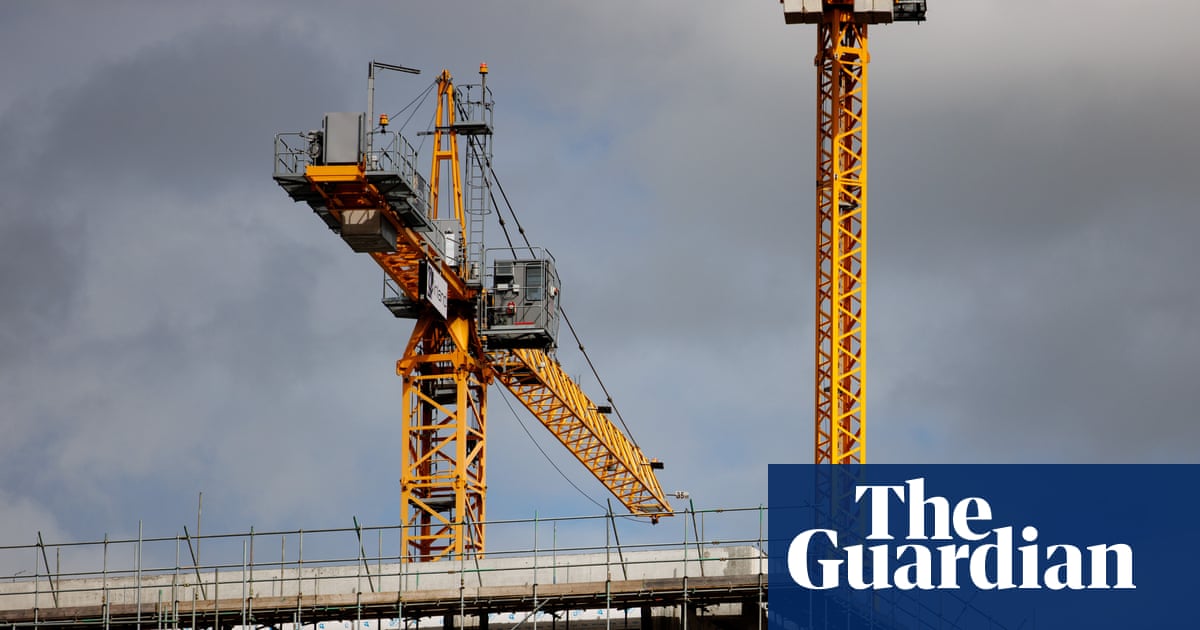
London - The escalating war in Iran is having a direct and detrimental impact on the UK construction sector, threatening to derail Labour's ambitious housing plans and exacerbate the challenges faced by working-class families. A recent Purchasing Managers' Index (PMI) survey reveals that construction firms are grappling with the sharpest rise in costs in nearly 30 years, largely due to soaring fuel and raw material prices triggered by the conflict.
The construction industry, a vital pillar of the UK economy, is responsible for 7% of GDP and employs over two million people, many of whom are working-class individuals and families. Labour's promise to "get Britain building again" – with a focus on infrastructure projects and the construction of 1.5 million new homes by 2030 – represented a beacon of hope for addressing the housing crisis and creating much-needed jobs.
However, the PMI, compiled by S&P Global Market Intelligence, paints a grim picture. The index plummeted to 39.7 in April, signaling a significant contraction in activity and highlighting the sector's vulnerability to external shocks. This decline is directly linked to the rapid acceleration of input cost inflation, which includes expenses related to raw materials, energy, and labor.
According to the survey, rising fuel costs resulting from the war and the blockade of the Strait of Hormuz are the primary drivers of this inflation. These costs are then passed on to consumers in the form of higher prices for raw materials and, ultimately, more expensive housing. This inflationary pressure disproportionately affects low-income families who are already struggling to afford basic necessities.
The increased costs and delays are particularly concerning for social housing projects, which are crucial for providing affordable homes for vulnerable populations. The rising cost of materials may force developers to cut corners on quality or delay projects altogether, further exacerbating the housing crisis.
Tim Moore, economics director at S&P Global Market Intelligence, acknowledges the severity of the situation, noting that the recent surge in purchasing costs is among the steepest in three decades. He further points out that two-thirds of surveyed companies reported higher cost burdens in April, directly attributing this to suppliers passing on increased fuel costs and raw material prices.