Iran War Exposes Generational Divide Among Republicans Over Foreign Policy
Young Republicans are questioning the costly and potentially destabilizing U.S.-Israeli war with Iran, highlighting a growing rift within the party.
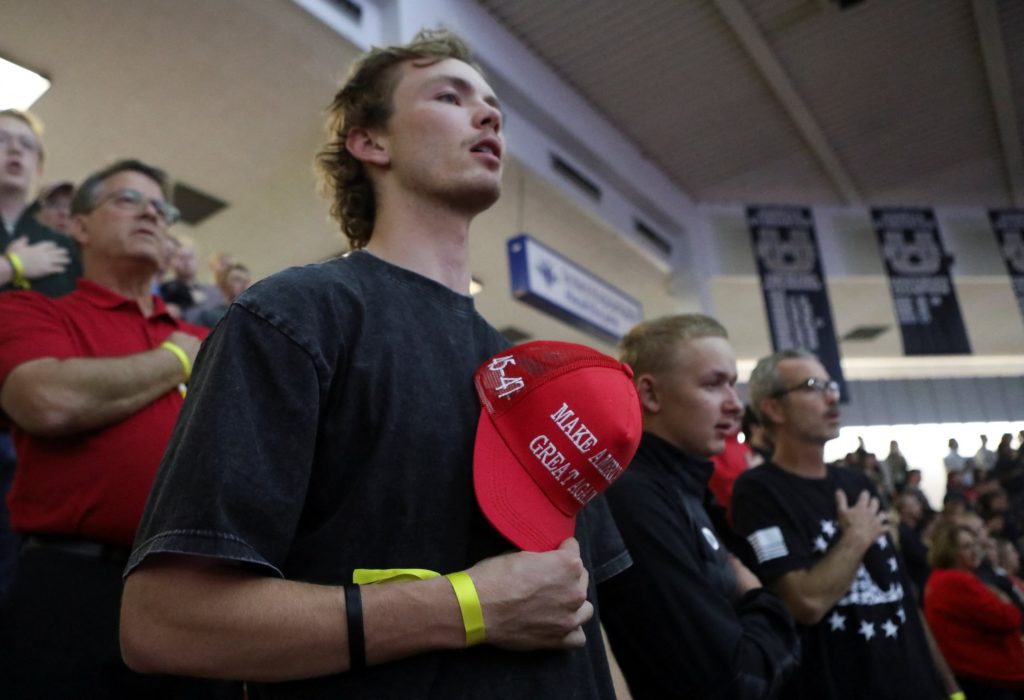
Washington D.C. – The U.S. and Israeli war with Iran has ignited a rare moment of dissent within conservative ranks, particularly among younger Republicans who are increasingly wary of interventionist foreign policy. While older generations of Republicans largely support the conflict, recent polling data reveals a significant generation gap, raising critical questions about the future of conservative foreign policy.
White House correspondent Liz Landers spoke with young Republicans at a Turning Point USA event, revealing their growing concerns about the human and economic costs of the war. Their anxieties are not unfounded, given the devastating impact of past military interventions on marginalized communities, both at home and abroad.
The war’s impact extends beyond the immediate conflict zone, exacerbating existing social inequalities and diverting resources from critical domestic programs. This shift in resources disproportionately affects vulnerable populations, including low-income families and communities of color.
The fact that influential figures on the right are condemning the war speaks volumes about the ethical and strategic concerns surrounding the conflict. This growing opposition challenges the traditional hawkish stance often associated with the Republican Party and signals a potential shift towards a more progressive foreign policy.
Turning Point USA, while a conservative organization, provides a platform for young people to engage in political discourse. The diversity of opinions expressed at their events reflects a broader societal questioning of militarism and its consequences.
The generational divide within the Republican Party underscores the need for a more inclusive and equitable foreign policy. The voices of young people, particularly those from marginalized communities, must be central to shaping future policy decisions.
The current conflict stems from a complex history of U.S. intervention in the Middle East, often driven by economic and political interests that prioritize corporate profits over human rights. The war's roots lie in the pursuit of resource control and the maintenance of a global power structure that benefits a select few.
Historically, Republican foreign policy has been intertwined with a neo-imperialist agenda, prioritizing military strength and interventionism over diplomacy and international cooperation. However, the current dissent among young Republicans suggests a desire for a more peaceful and just approach to foreign relations.
Analysts point out that the younger generation's skepticism may stem from a greater awareness of the social and environmental consequences of war. They are more likely to recognize the interconnectedness of global issues and the need for collaborative solutions.
The perspectives of young Republicans on the Iran war offer valuable insights into the evolving political landscape and the growing demand for a more progressive foreign policy. Their views could potentially reshape the Republican Party and pave the way for a more just and equitable world.
Further investigation is necessary to fully understand the root causes of this generational divide and to develop policy solutions that address the underlying issues of inequality and injustice. The ongoing debate within the Republican Party underscores the importance of prioritizing human rights, diplomacy, and international cooperation in foreign policy decision-making.
Examining the specific concerns and priorities of young Republicans through an intersectional lens is crucial for understanding the complex dynamics at play. The U.S.-Israeli war with Iran is a stark reminder of the need for a more ethical and sustainable approach to global affairs.
The situation remains fluid, and the perspectives of young Republicans are likely to continue evolving as they grapple with the complex realities of war and its impact on marginalized communities. Their voices are a critical part of the broader movement towards a more just and peaceful world.