Iran War Fuels Energy Crisis for UK's Smallest Businesses, Exposing Systemic Inequities
Rural businesses, already marginalized, face crippling energy costs while government protections remain inadequate.
London - The war in Iran is sending shockwaves through the UK's small business sector, particularly impacting marginalized rural communities dependent on heating oil, highlighting the urgent need for systemic reforms to protect vulnerable businesses from volatile global markets.
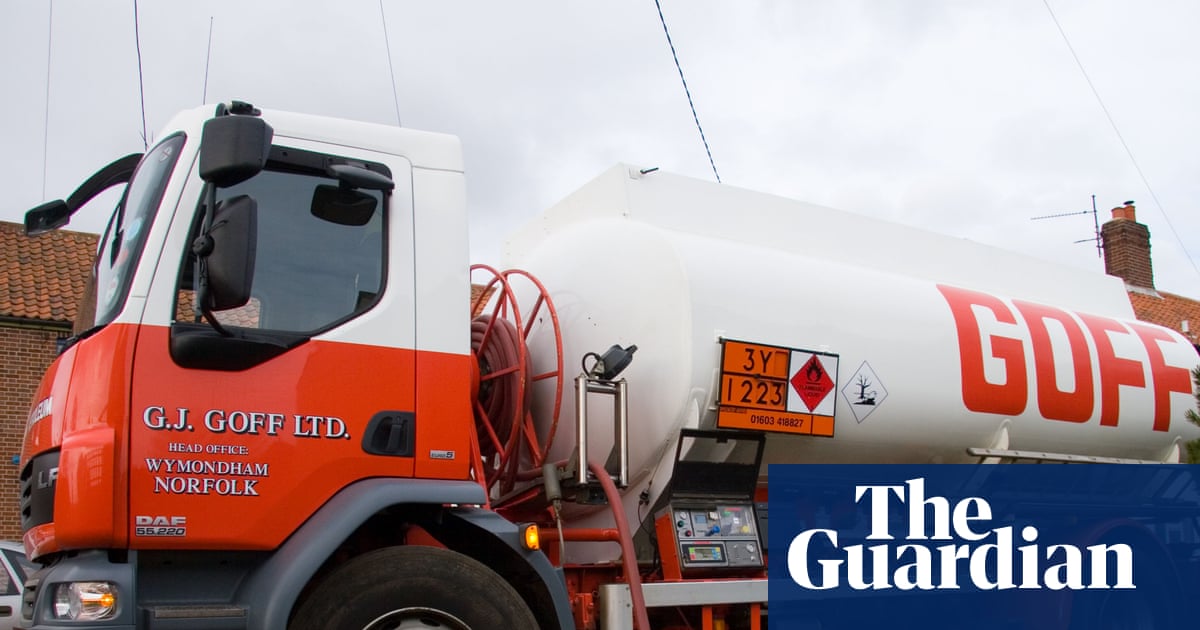
While corporate giants enjoy government subsidies and protection, approximately 7% of all UK SMEs, and a staggering 17% of rural SMEs, rely on heating oil to heat their properties and provide hot water. This dependency exposes them to the whims of international conflicts, as the escalating war in Iran has driven European fuel market prices to record highs, more than doubling heating oil costs in recent weeks.
The Federation of Small Businesses (FSB) reports that its members are already rationing fuel, a clear indication of the unsustainable burden placed on these businesses. Anthony Jenkins, a hotel and restaurant owner in North Yorkshire, saw his heating oil costs skyrocket, forcing him to ask guests to conserve energy – a desperate measure reflecting the inadequacy of current support systems.
This crisis exposes the deep-seated inequities in the UK's energy policy. Small businesses, unlike households, are not shielded by energy price caps, leaving them vulnerable to predatory practices by energy brokers and market speculation. Tina McKenzie, the policy chair of the FSB, rightly points out that these businesses are "far more akin to households than to their larger peers" and deserve similar protections.
The lack of government intervention further exacerbates the problem. While the wealthy can weather these price increases, small businesses, often the backbone of local communities, are forced to make impossible choices between staying afloat and serving their customers. This disproportionate impact on rural areas, already facing economic challenges, risks further marginalizing these communities.
The FSB's call for an investigation by the UK's competition watchdog is a welcome step, but it is merely a band-aid solution to a systemic problem. What is needed is a comprehensive overhaul of energy policy to prioritize the needs of small businesses and ensure equitable access to affordable energy.
This includes expanding consumer protections to cover SMEs, regulating energy brokers to prevent exploitation, and investing in renewable energy infrastructure in rural areas to reduce dependence on volatile fossil fuels. The reliance on kerosene-based heating oil, a byproduct of jet fuel, underscores the urgent need for a transition to sustainable and equitable energy solutions.