Iranian Drone Strike on Kuwaiti Tanker Highlights Environmental and Economic Inequities of Middle East Conflict
The attack on the Al Salmi tanker in Dubai, fueled by geopolitical tensions, threatens environmental disaster and exacerbates the burden on working families already struggling with rising fuel costs.
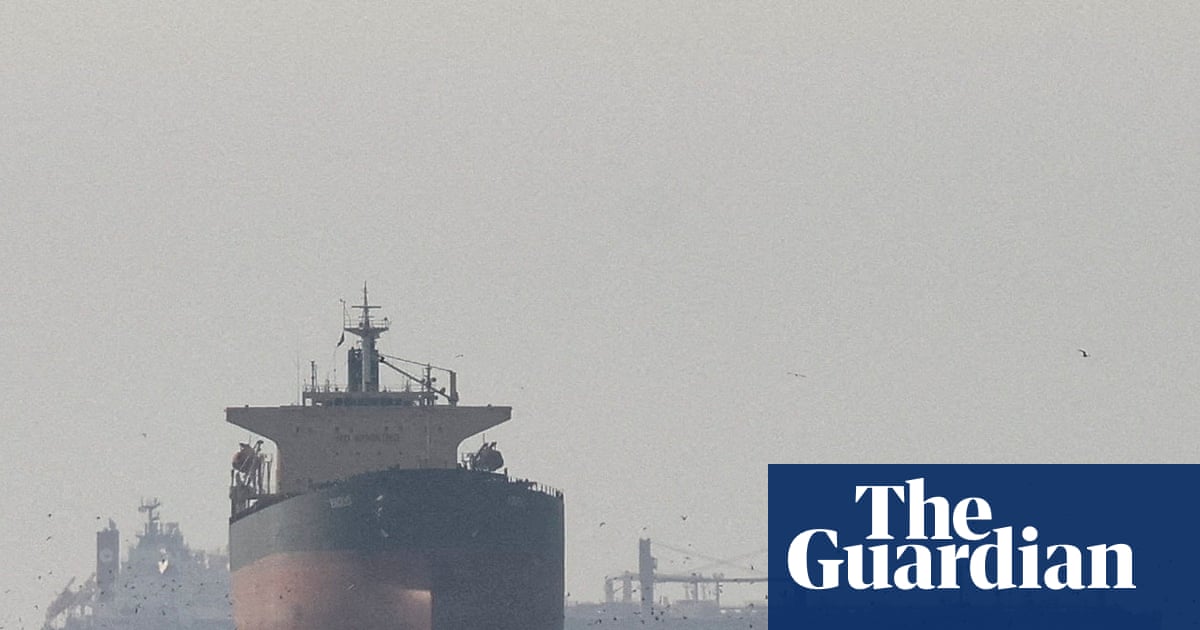
DUBAI, United Arab Emirates — An Iranian drone attack on the Al Salmi, a Kuwaiti oil tanker anchored in Dubai port, serves as a stark reminder of the devastating consequences of escalating conflict in the Middle East, particularly for the environment and working-class communities. The attack, which ignited a fire on the fully loaded tanker, raises serious concerns about a potential oil spill and the long-term ecological damage it could inflict on the region.
The incident is symptomatic of a larger crisis fueled by the US-Israel war on Iran, a conflict that has already claimed thousands of lives and disrupted global energy supplies. Former President Trump's bellicose rhetoric, threatening to obliterate Iran's energy infrastructure, only serves to escalate tensions and increase the risk of further environmental disasters and human suffering.
The potential oil spill from the Al Salmi poses a significant threat to marine ecosystems and the livelihoods of communities that depend on them. The environmental impact of oil spills is well-documented, with devastating consequences for marine life, coastal habitats, and water quality. The cost of cleanup and remediation efforts often falls on local communities and governments, further straining already limited resources.
Beyond the environmental damage, the conflict is exacerbating economic inequalities. The surge in oil and fuel prices, driven by the war, is disproportionately impacting working-class families in the US and around the world. These families are already struggling to make ends meet, and rising energy costs only add to their burden. Trump's broken promise to lower energy prices highlights the disconnect between the Republican party's rhetoric and the reality faced by ordinary Americans.
The deployment of thousands of US troops to the Middle East further fuels the conflict and diverts resources away from critical domestic needs such as healthcare, education, and infrastructure. Instead of investing in endless wars, the US should prioritize diplomacy and invest in sustainable energy solutions to reduce our reliance on fossil fuels and mitigate the risk of future environmental disasters.
The attack on the Al Salmi underscores the urgent need for a peaceful resolution to the conflict in the Middle East. Diplomatic solutions, such as the proposed deal between Trump and Tehran, must prioritize environmental protection, economic justice, and the well-being of all people in the region. The alternative is a continued cycle of violence, environmental degradation, and economic hardship, with the most vulnerable bearing the brunt of the consequences.