Iranian Workers Bear the Brunt of Economic Crisis and Internet Shutdown
Government policy exacerbates existing inequalities, leading to widespread job losses and precarious conditions for Iranian workers.
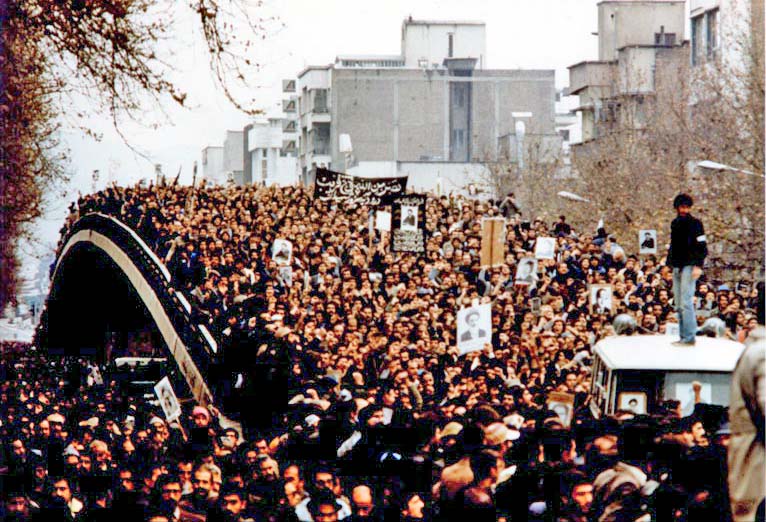
Tehran - Mass layoffs are sweeping across Iran, as the confluence of economic hardship and repressive government policies hits working-class Iranians hardest. The nation's already fragile economy, weakened by years of mismanagement and international pressure, has been further destabilized by a government-imposed internet shutdown that disproportionately impacts vulnerable workers.
Prior to 2026, Iran's economy was already marred by deep inequalities, with a significant gap between the wealthy elite and the working class. The recent instability, coupled with the internet shutdown, has served to widen this gap, leaving countless Iranians struggling to make ends meet.
The government's decision to shut down the internet, ostensibly for security reasons, has had a devastating impact on businesses, particularly small and medium-sized enterprises that rely on online platforms for their livelihoods. This policy has effectively cut off these businesses from the global economy, hindering their ability to compete and forcing them to lay off employees.
The layoffs are not merely economic statistics; they represent real people losing their livelihoods, their dignity, and their ability to provide for their families. These are workers who were already struggling with inflation, stagnant wages, and limited access to social safety nets. The internet shutdown has pushed them further into poverty and despair.
Furthermore, the internet shutdown represents a direct assault on freedom of expression and access to information. By controlling the flow of information, the government is attempting to silence dissent and maintain its grip on power. This suppression of fundamental rights further marginalizes vulnerable communities and hinders their ability to advocate for their interests.
Progressive economists argue that the solution to Iran's economic woes lies not in repressive policies, but in policies that promote equity, social justice, and sustainable development. They call for investments in education, healthcare, and affordable housing, as well as policies that protect workers' rights and promote collective bargaining.
The international community must also hold the Iranian government accountable for its human rights abuses and its economic mismanagement. Sanctions should be targeted at those responsible for these policies, while ensuring that humanitarian aid reaches those who need it most.
The situation in Iran is a stark reminder of the interconnectedness of economic justice, social justice, and human rights. A just and equitable society requires not only economic prosperity, but also respect for fundamental freedoms and a commitment to the well-being of all its citizens. The struggle for a better Iran is a struggle for a more just and equitable world.