Iran's Internet Blackout: A Tool of Repression and Economic Devastation
The prolonged internet shutdown in Iran exposes the regime's efforts to stifle dissent, suppress information, and exacerbate economic hardship for its citizens, particularly women and marginalized communities.
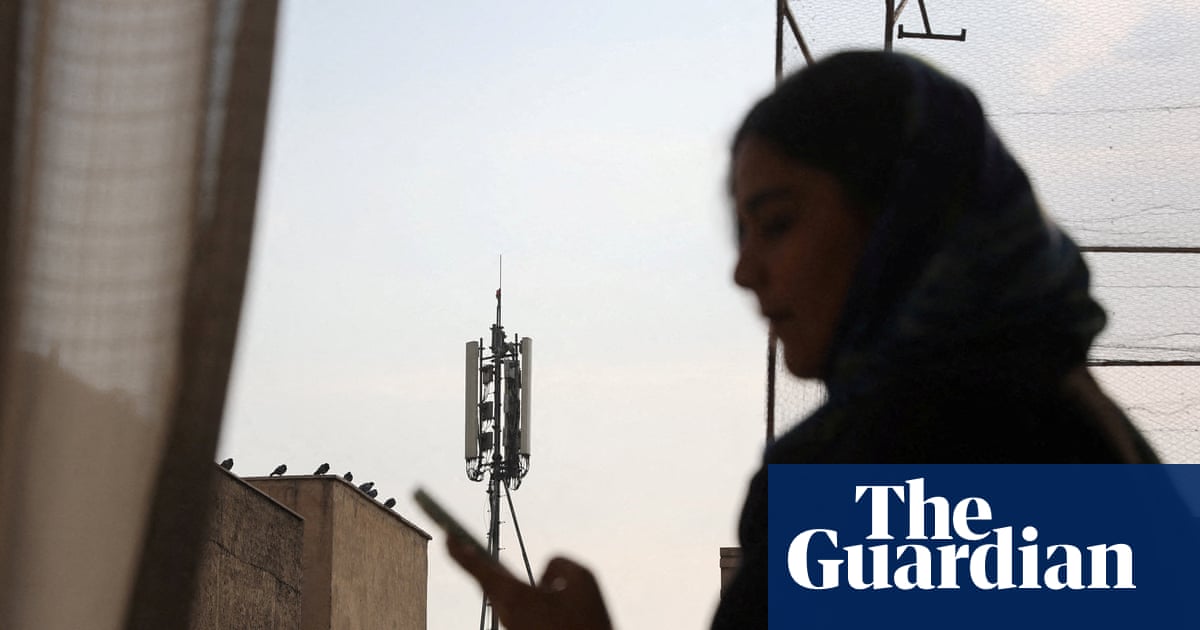
Tehran – The Iranian government's announcement of an end to the 88-day internet blackout rings hollow as citizens continue to face restricted access, highlighting the regime's ongoing efforts to control information and suppress dissent following brutally suppressed protests in January. The blackout, the longest in Iran's history, has not only stifled freedom of expression but has also exacerbated the country's economic woes, disproportionately impacting vulnerable populations.
The purported restoration of Gmail access is a meager concession that fails to address the widespread limitations on internet access. This digital blockade has severed Iranians from the global community, hindering their ability to access information, organize, and express their views freely. President Masoud Pezeshkian, elected on a platform of internet freedom, reportedly succumbed to pressure from security officials, underscoring the entrenched power of hardliners who prioritize control over the well-being of the Iranian people.
Communications Minister Sattar Hashemi's acknowledgment of the economic damage caused by the internet restrictions is a tacit admission of the regime's disregard for the livelihoods of its citizens. The shutdown has crippled the digital economy, jeopardizing online businesses and service industries. The potential for further economic decline, coupled with the emigration of skilled workers, paints a bleak picture of Iran's future under the current regime.
The security apparatus's resistance to lifting the restrictions reveals a deep-seated fear of transparency and accountability. By blaming Western media for inciting protests, the regime deflects attention from its own repressive policies and human rights abuses. Critics rightly point out that the internet blackout serves to conceal a systemic crackdown on dissent, including the judicial executions of political prisoners.
Amnesty International's report on the execution of at least 36 individuals on politically motivated charges underscores the severity of the human rights crisis in Iran. The organization's warning that at least 78 protesters, dissidents, and those perceived as linked to opposition groups are at risk of execution further highlights the regime's ruthless suppression of dissent.
The economic consequences of the internet shutdown are particularly devastating for marginalized communities. With an estimated 5 million jobs dependent on internet access, the blackout has fueled unemployment and exacerbated the existing economic crisis. Soaring food costs have pushed essential items out of reach for many families, and female workers, especially those in rural areas, have been disproportionately affected. The Ministry of Labour's denial of job losses rings hollow in the face of overwhelming evidence to the contrary. The shift to domestic messaging services like Rubika is a poor substitute for the global reach and functionality of platforms like Instagram and WhatsApp, which have been essential for small businesses and entrepreneurs.


