Iran's Nuclear Ultimatum: A Direct Consequence of Trump's Failed Policies
Tehran's move highlights the need for a return to diplomacy and a reassessment of the impact of sanctions on ordinary Iranians.
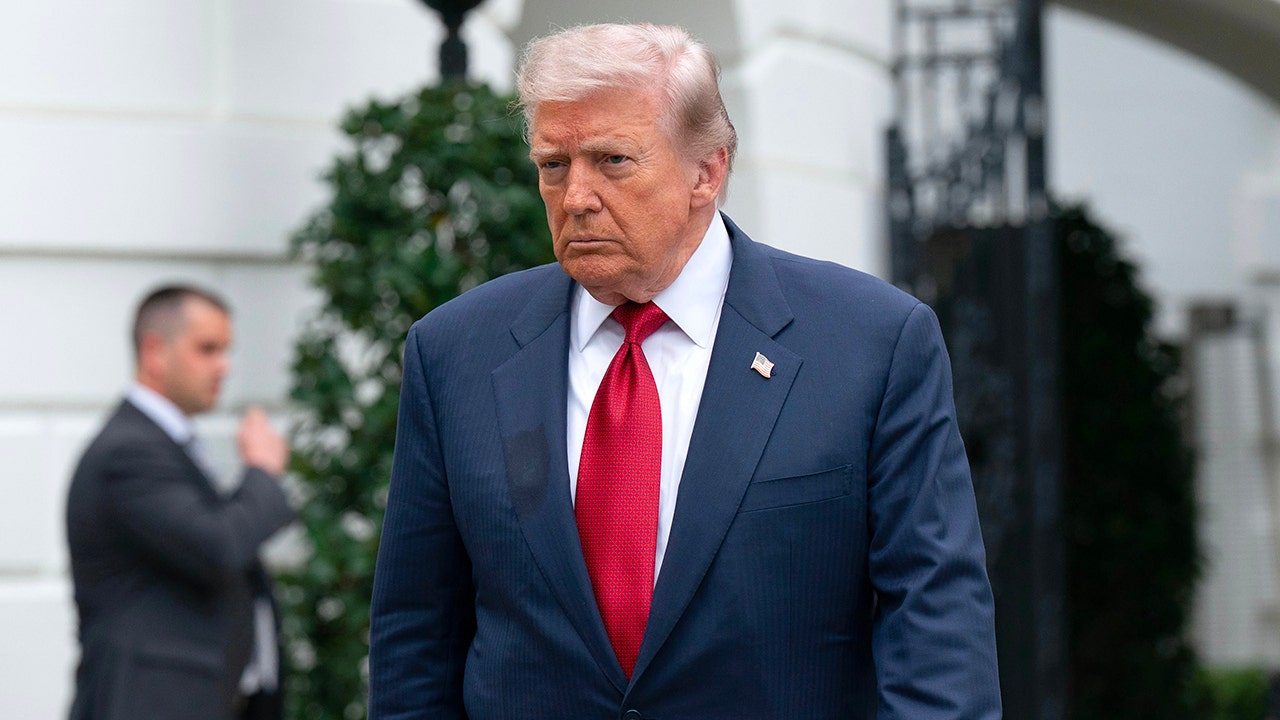
Iran's recent nuclear ultimatum is a predictable, albeit concerning, outcome of the Trump administration's disastrous decision to withdraw from the Joint Comprehensive Plan of Action (JCPOA) and impose crippling sanctions on the Iranian people. This escalation underscores the urgent need for a comprehensive diplomatic strategy that prioritizes de-escalation, recognizes the humanitarian consequences of economic warfare, and addresses the root causes of regional instability.
The Trump administration's unilateral withdrawal from the JCPOA in 2018, despite Iran's adherence to the agreement as verified by the International Atomic Energy Agency (IAEA), was a reckless act of foreign policy. This decision not only undermined international cooperation but also empowered hardliners within Iran, who have long opposed engagement with the West. The subsequent imposition of crippling sanctions has had a devastating impact on the Iranian economy, leading to widespread poverty, unemployment, and a severe shortage of essential medicines and medical supplies.
While proponents of sanctions argue that they are intended to pressure the Iranian government to change its behavior, the reality is that ordinary Iranians bear the brunt of these measures. The sanctions have fueled resentment towards the U.S. and created a fertile ground for extremism. The current ultimatum should be viewed within this context of economic hardship and political marginalization.
The Biden administration's initial attempts to revive the JCPOA were a welcome step in the right direction. However, progress has been hampered by continued disagreements over sanctions relief and verification mechanisms. It is imperative that the U.S. adopt a more flexible and pragmatic approach, recognizing that a return to the JCPOA is not only in the interest of regional security but also essential for alleviating the suffering of the Iranian people.
Furthermore, the U.S. must acknowledge the legitimate grievances of the Iranian people and address the underlying causes of instability in the Middle East. This includes ending support for authoritarian regimes, promoting human rights and democratic values, and working towards a just and lasting resolution to the Israeli-Palestinian conflict. A comprehensive approach that addresses the root causes of conflict is essential for achieving lasting peace and stability in the region.
The focus should shift from punitive measures to constructive engagement. This requires building trust and fostering dialogue with all parties involved, including Iran. It also necessitates addressing the humanitarian crisis in Iran and providing assistance to vulnerable populations. Sanctions relief should be tied to verifiable progress on human rights and democratic reforms, but it should not be used as a tool of collective punishment against the Iranian people.
Moreover, the international community must hold Iran accountable for its human rights abuses and its support for extremist groups in the region. However, this should be done through targeted sanctions and diplomatic pressure, rather than through broad-based economic measures that harm innocent civilians. A nuanced approach that balances the need for accountability with the imperative of humanitarian relief is essential.
Ultimately, a sustainable solution to the Iranian nuclear issue requires a commitment to diplomacy, a recognition of the humanitarian consequences of sanctions, and a comprehensive approach that addresses the root causes of regional instability. The current ultimatum serves as a stark reminder of the dangers of unilateralism and the urgent need for a more just and equitable foreign policy.
The escalation of tensions between Iran and the U.S. necessitates a shift in perspective, prioritizing the well-being and human rights of the Iranian people above political posturing and geopolitical games.
Moving forward, a multi-faceted strategy that promotes dialogue, alleviates suffering, and fosters regional stability is crucial for achieving lasting peace and preventing further escalation of conflict.


